
Pests and Diseases
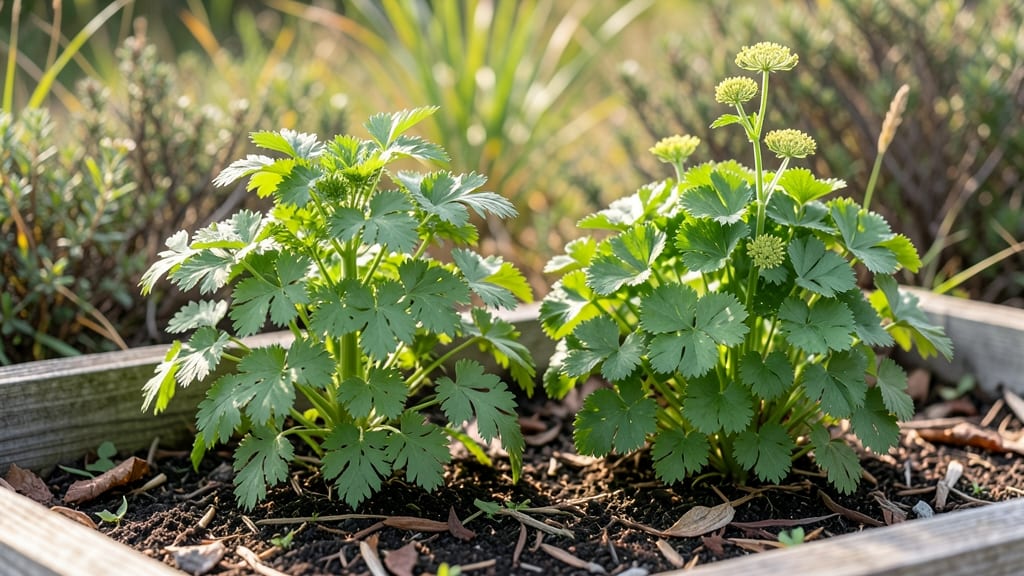
Tell cilantro and parsley apart in seconds—this is the trick I use every time I harvest. 🌿 Both look similar at first glance, but their leaf shapes, growth patterns, and even how they smell when crushed reveal all the secrets.
Knowing the difference means you’ll never grab the wrong herb again, whether you’re prepping for tacos or garnishing a summer salad.
Cilantro leaves are lacy, fern-like, and grow in delicate clusters from a thin, hairy stem. They bolt quickly in heat, so I always plant them in partial shade and keep the soil moist.
Parsley, on the other hand, has bold, flat leaves (curly or Italian varieties) that stay sturdy all season. It’s a biennial, meaning it’ll come back stronger year after year if you let it.
Here’s the game-changer: crush a leaf between your fingers. Cilantro smells bright and citrusy, while parsley has a milder, earthy aroma. Cilantro’s roots taste like the leaves, but parsley’s roots are edible too—though they’re tougher.
For gardeners, parsley thrives in full sun and well-draining soil, while cilantro prefers cooler temps and regular watering to stay tender.
Use cilantro for Mexican, Thai, or Indian dishes, and parsley for Italian, Mediterranean, or as a garnish. Both grow fast—cilantro in 4-6 weeks, parsley in 6-8 weeks—so you’ll have fresh herbs ready before you know it. Now go check your garden!
The first product explained
Meet your new culinary and gardening companion: Organic Cilantro & Parsley Seed Starter Kit 🌱🍃. This all-in-one kit is designed to help you grow fresh, vibrant cilantro and parsley leaves right at home—no green thumb required! Whether you're a seasoned gardener or a kitchen enthusiast looking to elevate your dishes, this kit makes it easy to cultivate these flavorful herbs with confidence.
📏 Specs & Features
This kit includes everything you need to start your herb garden:
- 2 premium seed packets – One for cilantro and one for parsley, both non-GMO and organic.
- 2 biodegradable seedling pots – Perfect for transplanting into larger containers or your garden.
- High-quality organic potting mix – Nutrient-rich and designed to support fast, healthy growth.
- Plant markers – Clearly labeled to avoid confusion between cilantro and parsley.
- Comprehensive care guide – Step-by-step instructions for planting, watering, and harvesting.
🎯 Target Users
This kit is perfect for:
- Home cooks who love fresh herbs but struggle with store-bought options.
- Gardening beginners eager to grow their first herbs.
- Urban gardeners with limited space (the pots are compact and ideal for balconies or windowsills).
- Health-conscious individuals who prefer organic, pesticide-free produce.
💰 Price Point & Value
Priced at $12.99, this kit offers incredible value for its quality and convenience. Compared to buying seeds and supplies separately, you save both time and money while ensuring you have everything needed for a thriving herb garden.
Plus, the long-term benefits of homegrown cilantro and parsley—freshness, flavor, and cost savings—make it a worthwhile investment!
Pro tip: 💡 Once your cilantro and parsley are established, you can easily expand your garden by replanting seeds every 2-3 weeks for a continuous harvest!
The second product explained
Meet your culinary and garden sidekick: Parsley! 🌱 If you're looking for a versatile, nutrient-packed herb that’s as easy to grow as it is to use, parsley is your go-to. This vibrant green isn’t just a garnish—it’s a powerhouse in both the kitchen and the garden.
📏 Specs & Features
Parsley comes in two main varieties—curly and flat-leaf—but both share these standout traits:
- Growth Habit: Biennial (lives for two years), but treated as an annual in most gardens. Thrives in USDA Zones 3-11.
- Height: Typically grows 12–18 inches tall, with a bushy, upright form.
- Leaf Shape: Curly parsley has frilly, lacy leaves, while flat-leaf (Italian parsley) has broader, smoother leaves—ideal for chopping.
- Flavor Profile: Mild, slightly peppery, and fresh with a hint of citrus. No soapy notes here! 😉
- Uses:
- Culinary: Perfect for soups, salads, sauces (like chimichurri), and as a garnish.
- Garden: Acts as a natural pest deterrent (especially for asparagus beetles and carrot flies).
- Health: Packed with vitamin K, C, and antioxidants—great for bone health and immunity! 💪
- Growing Tips:
- Loves full sun to partial shade and well-draining soil.
- Slow to germinate (can take 2–3 weeks), so soak seeds overnight for a head start. 💡
- Harvest leaves as needed—regular pruning encourages bushier growth!
🎯 Target Users
Parsley is a must-have for:
- Home Gardeners: Easy to grow from seed or transplants; great for beginners.
- Chefs & Home Cooks: Essential for Mediterranean, Middle Eastern, and Italian dishes.
- Health Enthusiasts: Low-calorie but nutrient-dense—ideal for salads and smoothies.
- Organic Gardeners: Natural pest control and companion plant for tomatoes, peppers, and more.
💰 Price Point
Parsley is a budget-friendly herb with flexible purchasing options:
| Form | Price Range (USD) | Best For |
|---|---|---|
| Seeds (packet) | $1–$3 | Gardeners who want to grow their own. |
| Seedlings (6-pack) | $3–$6 | Quick harvests and transplanting. |
| Bundles (fresh, grocery store) | $1–$4 per bunch | Instant kitchen use. |
| Dried (jarred) | $4–$8 | Long-term storage for soups and seasoning. |
Pro tip: Growing parsley from seed is cheaper and more sustainable! 🌱 Plus, homegrown herbs taste fresher and more vibrant.
Head-to-head comparison
🌿 Visual Appearance: First Impressions
If you’re standing in your garden or at the farmers' market, the first thing that’ll catch your eye is how these two herbs look—so let’s break it down!
- Cilantro Leaf: 🌱 Delicate, lacy, and feathery with a bright green hue. The leaves grow in soft, rounded clusters and have a slightly flat, almost "hairy" texture when touched. Think of it as nature’s way of saying, "I’m fresh and ready to brighten your dish!"
- Parsley Leaf: 🍃 Bold, flat, and slightly crisp with a darker, richer green. The leaves are more structured, almost like tiny cabbage leaves, and have a slightly serrated edge. It’s the herb that says, "I’m classic and versatile—pair me with anything!"
💡 Pro Tip: If you’re squinting at a leaf and wondering, "Is this cilantro or parsley?" Look for the shape. Cilantro’s leaves are curly and fern-like, while parsley’s are flat and smooth. Easy peasy!
🌱 Growth Habits: How They Thrive
These herbs don’t just look different—they grow differently too! Understanding their habits can help you decide which one to plant (or both!).
| Factor | Cilantro Leaf | Parsley Leaf |
|---|---|---|
| Growth Speed | ⚡ Fast! Ready to harvest in 4-6 weeks from seed. It bolts (goes to seed) quickly in hot weather. | 🐢 Slower but steady. Takes 6-8 weeks to mature but is more heat-tolerant. |
| Height | 🌿 12-18 inches tall, with a bushy, leafy top. | 🌿 12-24 inches tall, often taller with a sturdier stem. |
| Climate Preference | ❄️ Cool-season lover! Thrives in 50-75°F. Struggles in heat (bolts fast!). | ☀️ More adaptable. Handles 40-85°F better but prefers cooler temps for best flavor. |
| Bolt Resistance | 🔥 Bolts easily when it gets hot or dry. Once it flowers, the leaves turn bitter. | 🛡️ More resilient. Less prone to bolting but may still flower in extreme heat. |
💡 Pro Tip: Want to keep cilantro happy in summer? Try succession planting—sow new seeds every 2 weeks for a steady harvest! For parsley, mulch around the base to keep roots cool and moist.
🍽️ Culinary Uses: Flavor Profiles and Pairings
Now, the fun part—how do these herbs taste and where do they shine in the kitchen? Spoiler: They’re not interchangeable!
- Cilantro Leaf: 🌶️🍋
- Flavor: Bright, citrusy, and slightly soapy (yes, some people hate that!). Think of it as a zesty, herbal kick.
- Top Uses:
- 🌮 Tacos, salsas, and guacamole (it’s a must for authentic Mexican flavors!).
- 🍜 Asian-inspired dishes like Thai soups, Vietnamese pho, or Korean kimchi.
- 🥗 Fresh in salads or blended into dressings (great with lime!).
- Flavor Risk: Some people experience a soapy or metallic taste—it’s genetic! If you’re one of them, parsley might be your new BFF.
- Parsley Leaf: 🧂🥗
- Flavor: Mild, slightly peppery, and earthy. It’s the "blank canvas" herb—subtle but essential.
- Top Uses:
- 🍗 Garnish for meats, soups, and sauces (think mashed potatoes or roasted chicken!).
- 🥘 Stir-fries and pasta dishes (it’s a classic in Italian and Mediterranean cooking).
- 🥗 Fresh in salads or as a garnish for fish (it’s a flavor enhancer, not the star!).
- Bonus: Both flat-leaf and curly parsley exist! Flat-leaf is more flavorful and commonly used in cooking.
💡 Pro Tip: Don’t substitute cilantro for parsley (or vice versa) in recipes—it’ll throw off the flavor! Need a cilantro substitute? Try flat-leaf parsley + a pinch of lime zest. For parsley, basil or chives can work in a pinch.
🌱 Pests and Diseases: Who’s More Tough?
No herb is completely pest-proof, but some handle pressure better than others. Here’s how cilantro and parsley stack up against common garden threats.
| Threat | Cilantro Leaf | Parsley Leaf | ||||||||
|---|---|---|---|---|---|---|---|---|---|---|
| Aphids | ⚠️ Moderate risk. These tiny pests love the tender leaves. Look for sticky residue or curled leaves. | ⚠️ Moderate risk. Aphids may attack, but parsley’s stronger stems deter them slightly. | ||||||||
| Cabbage Moths/Butterflies | 🚨 High risk! Cilantro is in the carrot family, so these pests love it. Watch for holes in leaves. | 🚨 High risk. Also a carrot-family herb, so it’s a magnet for these critters. | ||||||||
| Fungal Diseases (e.g., Powdery Mildew) | 🌧️ Sensitive to humidity. Overwatering or poor airflow can lead to mildew. | 🛡️
Which one should you choose?So, which leaf wins in your kitchen or garden? The answer depends on your goals—whether you're cooking, gardening, or just experimenting! Here’s a quick verdict to help you decide: 🍽️ For Cooks: Choose Based on Flavor & Texture
🌱 For Gardeners: Match Your Climate & Space
💡 Pro Tip for Undecided Gardeners:Try growing both! They’re easy to distinguish—cilantro has lacy, feathery leaves with a bright green hue, while parsley’s leaves are broader and slightly darker. Plus, they repel pests differently: cilantro deters aphids, parsley keeps spider mites away. 🐞🚫 🎯 Final Recommendation:Still stuck? Here’s a cheat sheet:
Why not try both? Many chefs and gardeners swear by having cilantro for flavor and parsley for function—because sometimes, the best choice is both! 🌟 |