
Leaf Blower
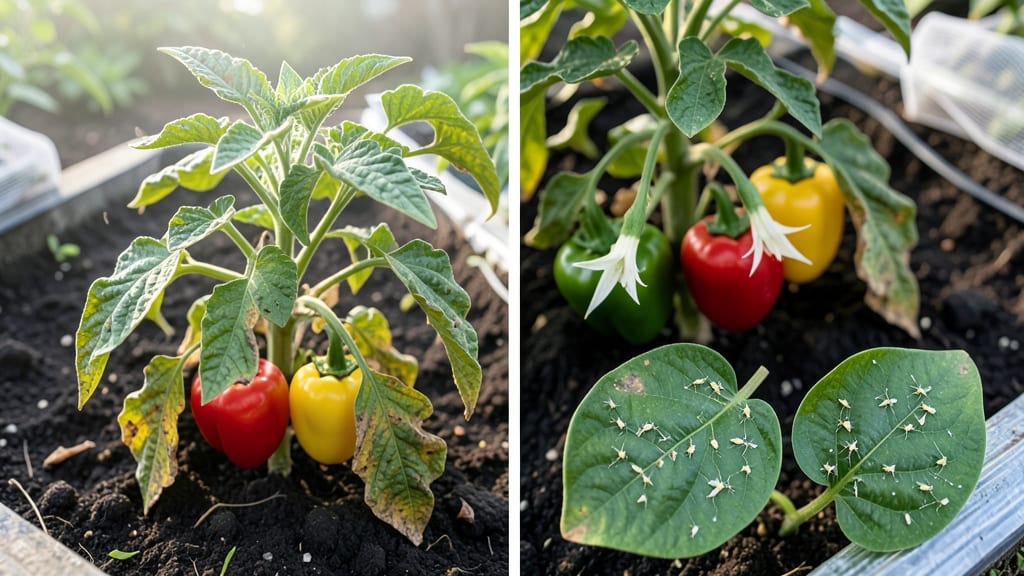
When the capsicum leaf curl virus turns your capsicum leaves into crispy, brittle edges, copper spray is your fastest rescue. 🌱 I’ve seen this virus turn thriving peppers into sad, stunted plants—until I learned the copper trick to slow it down.
The key is acting before the virus spreads through your entire garden, and copper gives you that edge when organic options are limited.
Capsicum leaf curl virus (CLCV) hitches a ride on aphids, and once it’s in your plants, there’s no cure—just damage control. Copper spray disrupts the virus’s ability to reproduce, buying you time to remove infected plants and protect healthy ones.
It’s not a magic fix, but it’s the most effective tool for fast results when you catch the problem early.
You’ll notice leaves curling upward, then hardening into crispy, almost papery textures. Stems may thicken unnaturally, and flowers drop before setting fruit. The damage is permanent on infected plants, but copper spray can save nearby healthy ones if applied within 7-10 days of first symptoms.
For best results, spray in the early morning or late evening when aphids are active, and repeat every 7-10 days until the threat passes. Pair it with removing infected plants immediately (bag and trash them!) to stop the spread. It’s not pretty, but it works—when you act fast.
Root Causes Of Leaf Distortion
When your capsicum plants start showing signs of leaf curl—thickened, cupped, or distorted foliage—it’s often a cry for help from the plant itself. Understanding why this happens is the first step toward fixing it.
Below, we break down the most common culprits, backed by science, so you can take action fast.
Capsicum leaf curl is primarily caused by viral infections, with the Cucumber Mosaic Virus (CMV) and Tomato Leaf Curl Virus (ToLCV) being the top offenders. These viruses are spread by:
- Sap-sucking insects (like aphids, whiteflies, and leafhoppers), which act as vectors by feeding on infected plants and transmitting the virus to healthy ones.
- Contaminated tools or hands—even a small cut from pruning shears can transfer viral particles.
- Seed-borne transmission—some viruses hide in seeds, so infected seedlings can start spreading the problem before you even notice.
💡 Pro Tip: If you see sticky honeydew residue (a sign of aphids) or distorted new growth, isolate infected plants immediately to prevent the virus from jumping to your entire garden. Copper-based sprays (like the one we’ll cover later) can suppress viral spread by killing insect vectors—but they won’t cure an already infected plant.
Extreme heat, drought, or sudden temperature swings can trigger leaf curling as a defense mechanism. Here’s how it works:
- Heat stress: Temperatures above 95°F (35°C) disrupt cell metabolism, causing leaves to curl inward to reduce water loss (a process called transpiration regulation).
- Water deficiency: When roots can’t absorb enough moisture, leaves curl to minimize surface area and conserve water. This is not the same as viral curl—it’s a survival tactic.
- Cold shock: Sudden drops below 50°F (10°C) can damage cell membranes, leading to puckered or curled leaves.
🌡️ Quick Fix: Mulch heavily to retain soil moisture, water deeply in the morning (not evening), and provide shade cloth if your region hits extreme heat. For cold stress, use row covers or move potted plants to a sheltered spot.
Leaf curl can also signal nutritional deficiencies or toxicities. Here’s what to watch for:
| Symptom | Likely Cause | Actionable Solution |
|---|---|---|
| Young leaves curl upward with yellowing edges | Nitrogen deficiency (plants can’t produce enough chlorophyll) | Apply a balanced fertilizer (10-10-10) or compost tea. Avoid over-fertilizing with phosphorus-heavy mixes. |
| Older leaves curl with brown, crispy edges | Potassium deficiency (weakens cell structure) | Use a banana peel compost tea or potassium sulfate. Test soil pH—low potassium often occurs in acidic soils (pH < 6.0). |
| Leaves curl with a glossy, dark green appearance | Magnesium deficiency (chlorosis between veins) | Apply Epsom salt (1 tbsp per gallon of water) as a foliar spray or soil drench. |
| New growth curls with blackened tips | Excess boron or copper toxicity (common in over-sprayed gardens) | Flush soil with water and avoid copper-based sprays until symptoms improve. |
✨ Expert Insight: Before blaming viruses, test your soil—many curl issues stem from hidden deficiencies. A simple DIY test kit (or lab analysis) can reveal if your capsicums are starving for micronutrients like zinc or manganese.
While viruses are the #1 cause, pests like spider mites, thrips, and whiteflies can also induce leaf curl by:
- Feeding on sap, which disrupts phytohormone balance (like auxin), causing abnormal growth.
- Injecting saliva that triggers plant defense responses, leading to curled or stunted leaves.
🔍 How to Tell Pest Curl vs. Viral Curl:
- Pest curl: Often appears suddenly on new growth, with visible webbing (mites), tiny black specks (thrips), or white fluffy colonies (whiteflies).
- Viral curl: Starts on older leaves, spreads slowly, and may include yellow mosaics or stunted stems.
💡 Fast Response: Knock pests off with a neem oil spray or introduce beneficial predators (like ladybugs or lacewings). For severe infestations, copper spray can help by disrupting their life cycle.
Fixing Crispy Edges Fast
Now that you know what’s causing those unsightly curled, crispy edges on your capsicum leaves, let’s roll up our sleeves and get them back to healthy glory! 🌿💪 The good news?
Many fixes are simple, cost-effective, and require minimal effort. Below, we’ve mapped out practical solutions tailored to the root causes—whether it’s viral infections, pests, or environmental stress.
If your capsicum leaves are already showing severe curling, yellowing, or stunted growth (classic signs of viral infections like capsicum leaf curl), act fast to prevent the spread.
- 🔪 Snip and Toss: Use sterilized pruning shears to cut off and dispose of infected leaves or entire plants.
Do not compost them—this virus can linger and reinfect. - 🚫 Quarantine New Plants: If you’ve recently added new capsicum seedlings, isolate them for 2–3 weeks to monitor for symptoms before introducing them to your garden. - 🧼 Clean Up Debris: Remove fallen leaves, weeds, and plant waste around the area.
Viruses can hitch a ride on sap or insects, so sanitize tools with rubbing alcohol between uses.
💡 Pro Tip: If the entire plant is beyond saving, pull it out and replace it with a healthy one. Better to lose one than watch the whole garden suffer!
Copper-based sprays are one of the most effective organic treatments for viral symptoms, including leaf curl. While they won’t cure the virus directly, they boost plant immunity and prevent secondary infections (like bacterial or fungal issues that worsen curled leaves).
👨🍳 DIY Copper Spray Recipe
You’ll need:
- 1 tsp copper sulfate (or copper fungicide)
- 1 gallon of water
- 1 tbsp mild liquid soap (as a sticker to help adhesion)
Steps:
- Mix the copper sulfate in a small amount of warm water first to dissolve completely.
- Add to the gallon of water and stir well.
- Include the soap to help the spray cling to leaves.
- Spray thoroughly on both sides of leaves, stems, and soil around the base (to deter soil-borne pathogens).
- Reapply every 7–10 days or after rain, as copper washes off.
⚠️ Safety Note: Wear gloves and avoid spraying on hot days (copper can burn leaves). Also, do not use copper sprays on edible parts right before harvest—wait at least 3 days.
Whiteflies, aphids, and thrips love weak, curled leaves—and they spread viruses like wildfire. Break their cycle with these low-toxicity methods:
🕷️ Natural Pest Traps & Barriers
- 🍯 Yellow Sticky Traps: Hang yellow cards coated in petroleum jelly near plants to catch whiteflies and aphids.
- 🌿 Neem Oil Spray: Mix 1 tbsp neem oil + 1 tsp mild soap + 1 quart water.
Spray early in the morning (avoid direct sun) to smother pests and disrupt their life cycle. - 🪰 Introduce Beneficial Insects: Ladybugs, lacewings, and parasitic wasps devour these pests. Buy them online or attract them with dill, fennel, or marigolds as companion plants.
🚿 Water Blasts (For Aphids & Whiteflies)
- 💦 Spray pests off with a strong stream of water from a hose (early morning works best).
- Repeat every 2–3 days until the infestation is gone.
Sometimes, environmental stress (like heat, humidity, or poor drainage) triggers leaf curling. Fix these issues to help your capsicums bounce back:
| Problem | Solution |
|---|---|
| 🔥 Too Much Heat | Provide shade cloth (30–50%) during peak sun hours. Mulch to keep roots cool. |
| 🌧️ Overwatering | Let soil dry slightly between waterings. Ensure well-draining pots or raised beds. |
| 💨 Poor Airflow | Space plants 12–18 inches apart or use a small fan to improve circulation. |
| 🌱 Nutrient Deficiency | Fertilize with balanced organic fertilizer (like compost tea or fish emulsion). Avoid too much nitrogen—it encourages leafy growth over fruit. |
💡 Pro Tip: Morning watering (not evening) reduces fungal risks and helps leaves dry faster, preventing pests.
An ounce of prevention is worth a pound of cure! Follow these long-term strategies to protect your capsicum plants from future leaf curl disasters:
- 🌱 Choose Resistant Varieties: Some capsicum types (like ‘Arka Meghali’ or ‘Pusa Sadabahar’) are more resistant to leaf curl.
Check with local nurseries! - 🛡️ Use Row Covers: Floating row covers block whiteflies and thrips (the main virus spreaders) while allowing sunlight and water through. - 🌿 Rotate Crops: If you’ve had leaf curl before, don’t replant capsicums in the same spot for at least 2–3 years to break the virus cycle. - 🧼 Sterilize Tools & Soil: Solarize soil (cover with clear plastic for 4–6 weeks in summer) to kill viruses and pests. Boil or bleach garden tools between uses. - 🐝 Boost Plant Immunity: Foliar sprays with seaweed extract or compost tea strengthen plants’ natural defenses.
Final Thought: While capsicum leaf curl can be frustrating, early action (removing infected plants, copper sprays, and pest control) can save your harvest. Stay vigilant, adjust care as needed, and soon you’ll be back to crisp, healthy, and productive capsicum plants! 🌱🍅
Frequently asked questions
Can copper spray actually cure capsicum leaf curl?
No, copper spray won't cure an already infected plant—there's no cure for viral leaf curl. However, it helps by killing the aphids and whiteflies that spread the virus, which can slow down further infection in healthy plants. Think of it as damage control to protect your garden rather than a cure.
How do I tell if my capsicum leaves are curling from a virus or just heat stress?
Viral curl starts on older leaves and spreads slowly with thickened, crispy edges, while heat stress curls new growth and often includes wilting. Check for aphids (tiny green/black bugs) or honeydew residue—if present, it's likely viral. Heat stress curl usually improves when temperatures drop.
Is it safe to eat peppers from plants with leaf curl?
While the fruit itself may still be edible, the quality suffers. Viral infection reduces flavor and nutritional value, and some varieties may develop bitter or deformed peppers. If you're growing for food, remove infected plants immediately to protect your harvest and prevent spread to other crops.
How long does it take for copper spray to show results?
You won't see immediate results—copper works preventatively. Start spraying at first signs of infection, and you may see reduced new infections within 7-10 days. For best protection, apply every 7-10 days during growing season, especially after rain which washes it off.
Can I save my capsicum plants if they already have leaf curl?
Unfortunately, once infected, there's no saving the plant—it's a permanent condition. Your best option is to remove it completely (don't compost!) and focus on protecting nearby healthy plants with copper sprays, neem oil, and yellow sticky traps to prevent spread.