
Leaf Blower
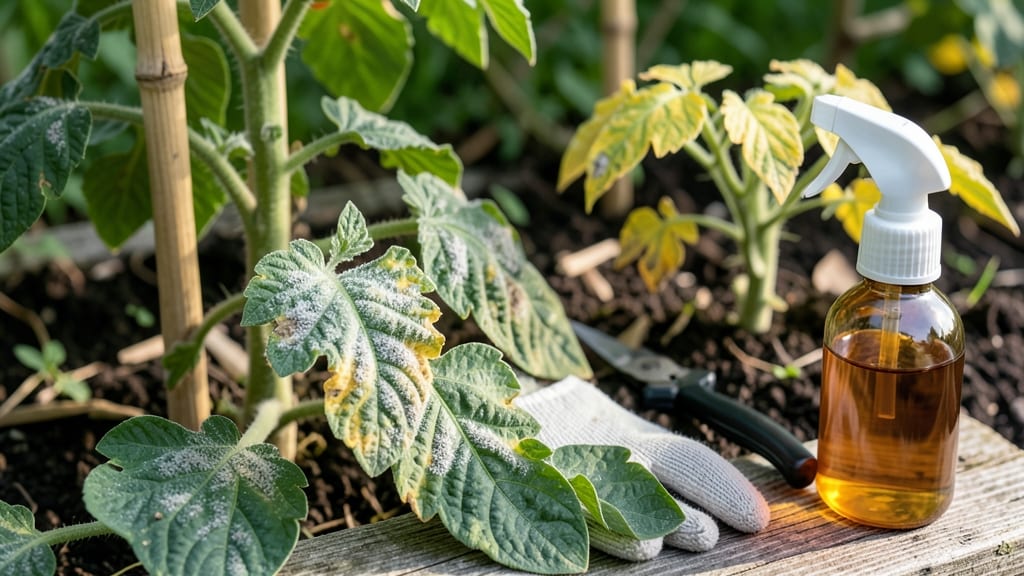
Your tomatoes are covered in dark, greasy spots that spread faster than you can prune—but this tomato leaf mold treatment turns lush plants into sad shadows unless you act fast. 🌱 The problem starts with wet leaves and poor air circulation, but the real damage happens when you ignore those first brown spots.
Most gardeners panic and yank every infected leaf, only to see new ones pop up. Instead, we’ll target the mold at its source: the fungus hiding on old foliage and in crowded stems.
By pruning aggressively (yes, even healthy-looking leaves) and spraying with copper fungicide, you’ll see fresh green growth within 3-5 days. The key is timing—act fast, and you’ll save your harvest before the mold claims your entire plant.
Works for both early and late blight, and the same method prevents future outbreaks. Let’s get those tomatoes back to thriving before the season’s over.
Root Causes of Tomato Leaf Mold
Tomato leaf mold—caused by the fungus Passalora fulva—can turn your lush tomato plants into a sad, yellowing mess if left unchecked. Understanding why it strikes is the first step to preventing it. Below, we break down the key factors that create the perfect storm for this fungal disease.
Leaf mold thrives in high humidity (above 75%) and stagnant air
Actionable fix: Space plants 18–24 inches apart, prune lower leaves for airflow, and water at the base early in the day so foliage dries quickly. Water is the fungus’s lifeline. Here’s how excess moisture fuels leaf mold: Actionable fix: Use drip irrigation or soaker hoses, avoid watering after 6 PM, and ensure containers have drainage holes. A healthy tomato plant can resist leaf mold, but stress opens the door. Common stressors include: Actionable fix: Feed plants with a balanced fertilizer (10-10-10), monitor for pests, and avoid pruning during wet conditions. Fungal spores can linger in your garden tools, compost, or soil. Here’s how they hitch a ride: Actionable fix: Sterilize tools with 70% rubbing alcohol or bleach, remove and dispose of infected plant debris, and avoid composting moldy leaves. Pro Tip: 💡 Early detection is key! Leaf mold starts as yellow spots on the undersides of leaves. If you catch it before it spreads, a copper fungicide spray (like copper sulfate) can stop it in its tracks.
Fixing Tomato Leaf Mold: Step-by-Step Solutions
Now that you know the causes behind tomato leaf mold (🍅🌱), let’s tackle it head-on with practical, garden-tested fixes. Whether it’s humidity, poor airflow, or fungal spores lurking in your soil, these solutions will help your tomato plants bounce back—fast.
The first line of defense? Act fast.
- 🔪 Snip and toss any yellowing, brown, or moldy leaves using sterilized pruners (wipe with rubbing alcohol between cuts).
- 🗑️ Dispose of infected foliage in the trash (not compost)—this stops the fungus from spreading.
- 🌬️ Avoid shaking plants when harvesting to prevent spores from flying onto healthy leaves.
Pro Tip: 💡 If the mold is severe, consider pruning entire branches to improve airflow and reduce humidity near the plant.
Fungal spores thrive in damp, stagnant air. Break up the cozy conditions!
- 🌿 Space plants 18–24 inches apart (or more if growing in containers).
- 💨 Use a small fan (even a cheap USB one) on low speed near your tomatoes for 10–15 minutes daily—it mimics wind and dries leaves faster.
- 🌞 Water in the morning so foliage dries by evening (evening watering = overnight moisture = mold party 🎉).
- 🏡 Adjust your greenhouse by cracking a window or using a dehumidifier if humidity stays above 70%.
Pro Tip: 🌡️ Aim for 40–60% humidity—a hygrometer helps track this!
Copper-based fungicides disrupt fungal cell walls and are organic-approved for most gardens.
- 🛒 Buy a ready-to-use spray (like Bordeaux mixture or copper fungicide) or DIY a mix:
- 1 tsp copper sulfate + 1 gallon water + 1 tsp dish soap (as a sticker).
- 🌱 Spray thoroughly (undersides of leaves too!) every 7–10 days until mold disappears.
- ⏰ Best time to spray: Early morning or late afternoon (avoid midday sun burning leaves).
⚠️ Safety Note: Wear gloves and avoid spraying on hot days (copper can burn leaves).
Healthy soil = stronger plants that fight off mold better.
- 💧 Water at the base (not overhead) to keep leaves dry.
- 🌿 Add compost or worm castings to improve soil drainage and plant resilience.
- 🚫 Avoid over-fertilizing with nitrogen—it encourages lush, mold-loving foliage. Balance with phosphorus/potassium for stronger stems.
Pro Tip: 🌱 Mulch with straw (not wet mulch!) to keep soil moist but prevent splashing water onto leaves.
Once your tomatoes recover, keep mold at bay with these habits:
- 🌿 Rotate crops—don’t plant tomatoes in the same spot yearly (fungus builds up in soil).
- 🍅 Choose resistant varieties like ‘Mountain Merit’ or ‘Defiant PhR’ (phytophthora-resistant).
- 🧼 Sterilize tools between plants to avoid spreading spores.
- 🌿 Prune regularly to improve airflow—remove suckers and lower leaves that touch damp soil.
If mold spreads despite your efforts, consider:
- 🍄 Neem oil spray (fungicidal properties, but less effective than copper for leaf mold).
- 🌿 Beneficial fungi like Trichoderma harzianum (available as a soil drench).
- 🏥 Severe cases? Remove the plant if >50% of leaves are infected to save the rest of your garden.
Final Thought: 🎯 Patience + prevention = happy tomatoes! With these steps, your plants should recover in 2–4 weeks. Keep an eye on humidity, airflow, and early signs of mold—and your tomatoes will thank you with juicy, blemish-free fruit! 🍅✨
Frequently asked questions about tomato leaf mold
How can I tell if my tomato plant has leaf mold vs. early blight?
Leaf mold appears as yellow spots on the undersides of leaves that turn grayish-brown and fuzzy, while early blight shows concentric brown rings on the upper leaf surface. Check the leaf undersides—if you see fuzzy gray mold, it’s leaf mold. Early blight also affects stems and fruit.
Is baking soda spray effective for treating tomato leaf mold?
Baking soda can help prevent mild cases, but it’s not reliable for active leaf mold infections. Mix 1 teaspoon baking soda + 1 quart water + 1 tsp dish soap and spray weekly, but combine it with copper fungicide for better results. Fungal spores need stronger treatment!
Can I still harvest tomatoes from plants with leaf mold?
Yes, but only the healthy fruit! Remove any moldy tomatoes immediately—fungal spores can spread through contact. Wash all harvested tomatoes thoroughly before eating. The plant may still produce fruit, but focus on removing infected leaves to protect future harvests.
How often should I apply copper fungicide for leaf mold?
Apply copper fungicide every 7–10 days until new growth appears. For prevention, switch to every 2–3 weeks during humid weather. Always spray undersides of leaves where spores hide. Stop applications 2 weeks before harvest to meet organic standards.
Will removing all infected leaves stop the spread?
No—removing leaves reduces spores but doesn’t eliminate them. You must also sterilize tools, improve airflow, and apply fungicide. Spores linger on soil, tools, and nearby plants. For severe cases, consider removing the entire plant to prevent garden-wide contamination.