
Pests and Diseases
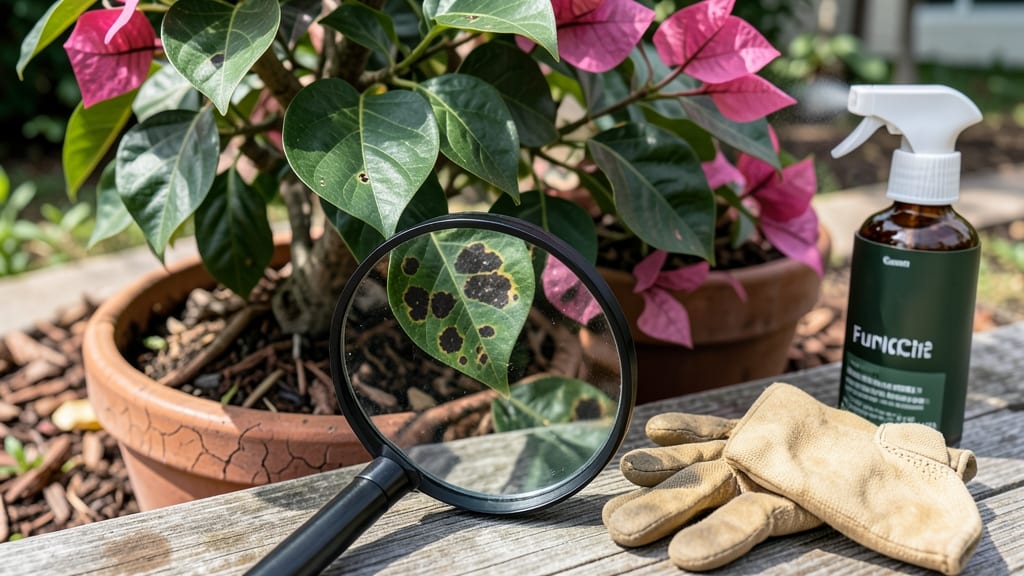
Bougainvillea leaf spot turns your vibrant blooms into a sad, spotted mess—fast. 🌿 I’ve battled this fungal nightmare in my own garden, and copper spray isn’t just a cure; it’s a game-changer that stops the spread in its tracks when used right.
The key? Spotting the symptoms early—those dark, greasy spots that spread like a bad rumor—and acting before the plant throws in the towel.
This isn’t just about spraying copper and hoping for the best. The real fix combines proper pruning (cutting out infected leaves), adjusting watering (never wet the foliage), and timing your sprays (early morning or late evening).
I’ve seen bougainvilleas go from wilting to lush and blooming again in just 2-3 weeks when you nail these steps. And yes, it works for both fungal and bacterial leaf spot—no need to guess which one you’re dealing with.
What you’ll end up with is a bougainvillea that’s resistant to future outbreaks, with thick, healthy leaves and those signature pink or purple bracts back in full force. The copper spray isn’t just a quick fix; it rebuilds the plant’s defenses so it fights back.
Plus, it’s safe for bees and other pollinators once it dries—just don’t spray when they’re active.
Whether you’re in a hot, humid climate (like Florida or Texas) or a milder zone (like California or Arizona), the same principles apply. The difference? You might need to spray more often in wetter areas.
For organic gardeners, neem oil can be a backup, but copper is the foolproof frontline defense. Let’s get your bougainvillea back to its glory days.
Understanding Leaf Spot Triggers
Bougainvillea leaf spot isn’t just a random aesthetic issue—it’s a plant’s distress signal, often triggered by environmental stress, microbial invaders, or cultural mismanagement. If you’ve ever spotted those unsightly brown or black patches on your bougainvillea leaves, you’re likely dealing with one (or more) of these underlying causes.
Let’s break down the science behind why your plant’s leaves develop these blemishes, so you can address the root problem—and keep your bougainvillea thriving.
Most leaf spot diseases on bougainvillea are caused by fungal pathogens, particularly species like Phyllosticta, Cercospora, or Alternaria. These fungi thrive in warm, humid conditions and exploit weak spots on leaves to establish infections.
- How it happens: Spores land on leaves (via wind, water, or tools) and germinate when conditions are ideal—think high humidity (above 75%) and temperatures between 70–85°F (21–29°C). Once inside leaf tissue, the fungus feeds on nutrients, causing cells to die and form necrotic spots.
- Visual clues: Look for irregular brown/black patches with yellow halos, often surrounded by a faint red or purple margin (a classic sign of fungal stress). In advanced cases, spots may merge, leading to leaf drop.
- Why copper spray works: Copper-based fungicides (like copper hydroxide) disrupt fungal cell membranes, preventing spore germination. It’s especially effective because many fungal pathogens don’t develop resistance to copper as quickly as they do to synthetic fungicides.
Bougainvillea is a drought-tolerant plant, and when it gets too much water—especially in poorly draining soil—root and leaf health suffer. Excess moisture creates the perfect breeding ground for fungal pathogens and weakens the plant’s defenses.
- How it happens:
- Soggy soil: Overwatering or compacted soil restricts oxygen to roots, leading to root rot. A stressed root system can’t transport nutrients efficiently, making leaves more susceptible to infections.
- Foliar moisture: Water droplets on leaves (from overhead irrigation or morning dew) linger in humid conditions, creating a high-risk zone for fungal spores to germinate.
- Visual clues: Leaf spots may appear water-soaked at first, then turn brown and crispy. Yellowing between veins (chlorosis) is another red flag.
- Actionable fix: Let the top 2–3 inches of soil dry out between waterings, and never water from above. Use drip irrigation or a soaker hose to keep leaves dry.
Bougainvillea loves heat and dryness, but extreme swings—like sudden humidity spikes or prolonged dampness—can trigger leaf spot outbreaks. Think of it as a double whammy: poor air circulation + moisture = fungal paradise.
- How it happens:
- High humidity: When humidity stays above 70% for days, fungal spores thrive. Poor air circulation (e.g., dense foliage or crowded plants) traps moisture against leaves.
- Temperature stress: Rapid temperature drops (like nighttime chills) weaken the plant’s cuticle (the leaf’s protective layer), making it easier for pathogens to penetrate.
- Visual clues: Spots may appear small and circular with a reddish-purple border, especially on older leaves. In severe cases, leaves may develop gray mold (a sign of Botrytis infection).
- Pro tip: Improve airflow by pruning dense growth and spacing plants 3–4 feet apart. If humidity is an issue, use a dehumidifier or fan to keep levels below 60%.
A bougainvillea that’s malnourished or overfed is more vulnerable to leaf spot. While fungi are the primary culprits, a weak plant is an open invitation for infections to take hold.
- How it happens:
- Nitrogen deficiency: Leaves turn yellow between veins (chlorosis), weakening the plant’s ability to fight off pathogens. This is common in overwatered or poorly fertilized bougainvilleas.
- Excess phosphorus: While phosphorus is essential, too much can lead to fungal overgrowth by promoting lush, soft growth that’s more susceptible to infections.
- Micronutrient gaps: Lack of magnesium, calcium, or zinc weakens cell walls, making leaves more prone to damage and disease.
- Visual clues: Leaf spots may coincide with yellowing, stunted growth, or purplish stems. A soil test can reveal deficiencies.
- Solution: Use a balanced fertilizer (10-10-10 or 8-3-9) and avoid over-fertilizing. For deficiencies, apply Epsom salt (magnesium) or chelated iron as needed.
Even mechanical stress—like hail, wind, or pest activity—can create entry points for fungal infections. Once the leaf’s protective barrier is compromised, pathogens move in.
- How it happens:
- Pest damage: Insects like aphids, spider mites, or thrips pierce leaves, leaving wounds that fungi exploit. For example, aphid honeydew (a sticky residue) can promote sooty mold, which blocks sunlight and stresses the plant.
- Physical trauma: Rough handling, strong winds, or hail can tear leaf tissue, creating gateways for infections.
- Visual clues: Spots may appear near tiny holes, webbing, or sap spots. Check the undersides of leaves for pests.
- Fix it: Remove damaged leaves and treat pests with neem oil or insecticidal soap. Protect plants from wind damage with stakes or windbreaks.
Now that you know the real culprits behind bougainvillea leaf spot, you’re one step closer to restoring your plant’s health. The good news? Many of these issues are preventable with proper care—and copper spray is your secret weapon against fungal resistance.
Stay tuned for the next section, where we’ll dive into how to treat and prevent leaf spot effectively!
Revive Your Bougainvillea Fast
When those pesky leaf spots start turning your bougainvillea’s vibrant foliage into a patchwork of brown and black, don’t panic—there’s a way to bring it back to life! The key is acting quickly with the right treatments tailored to the root cause.
Below, we break down the most effective solutions for each type of leaf spot, plus prevention tips to keep your plant thriving. Let’s get your bougainvillea looking lush and healthy again!
If your bougainvillea is battling fungal leaf spot (often caused by Cercospora or Alternaria), copper-based fungicides are your best friend. These work by disrupting the fungal cell membrane, stopping the spread in its tracks.
🍳 Step 1: Remove Infected Leaves
Before treating, prune away all severely spotted or yellowing leaves with clean, sharp shears. Dispose of them in the trash—not the compost—to prevent reinfection.
👨🍳 Step 2: Apply Copper Fungicide
Mix a copper fungicide (like copper sulfate or copper hydroxide) according to package instructions. For best results:
- Spray early in the morning or late afternoon to avoid leaf burn from direct sunlight.
- Cover both sides of the leaves and the stems thoroughly.
- Reapply every 7–14 days or after heavy rain, as copper washes off.
🌡️ Step 3: Boost Air Circulation
Fungal spores love humidity. Improve airflow by:
- Trimming back overgrown branches.
- Spacing plants 3–4 feet apart if grown in a garden.
- Using a fan on low setting near potted bougainvilleas indoors.
✨ Pro Tip:
For organic control, try a homemade copper spray by mixing 1 teaspoon of copper sulfate with 1 gallon of water. Add a dash of mild soap as a sticker to help the solution adhere. Test on a small leaf first to check for sensitivity!
If the spots are greasy, water-soaked, or ooze, bacteria (like Xanthomonas) may be the culprit. Copper still works, but you’ll also need to sterilize tools and disinfect the plant’s environment.
🔪 Step 1: Sterilize Pruning Tools
Wipe shears with rubbing alcohol (70% or higher) before and after pruning to prevent spreading bacteria.
💡 Step 2: Use a Stronger Copper Solution
For bacterial infections, opt for a higher-concentration copper fungicide (follow label instructions). Add 1 tablespoon of baking soda per gallon of water to raise the pH slightly—this can help inhibit bacterial growth.
🎯 Step 3: Adjust Watering Practices
Bacteria thrive in wet conditions. Water at the base (not overhead) and avoid letting leaves stay damp. If your bougainvillea is in a pot, ensure it has drainage holes and never sits in saucers of water.
🔥 Pro Tip:
For severe cases, consider a commercial antibacterial spray containing copper octanoate or hydrogen dioxide. Always rotate treatments to prevent resistance!
Sometimes, leaf spots aren’t from pathogens but from sun scorch, nutrient deficiencies, or poor drainage. Here’s how to fix them:
🍳 Step 1: Check Sun Exposure
Bougainvillea loves full sun (6+ hours daily), but too much intense afternoon sun can cause white or brown spots. If your plant is in a hot, dry climate:
- Provide light afternoon shade during peak heat (1–4 PM).
- Mulch the soil with organic matter (like bark chips) to retain moisture.
💪 Step 2: Fertilize Properly
Yellowing spots with green veins often signal iron or nitrogen deficiency. Use a balanced fertilizer (10-10-10) or an iron chelate during the growing season (spring to fall). Avoid over-fertilizing—too much salt can burn leaves.
🌡️ Step 3: Improve Drainage
Soggy roots lead to stress spots. If your bougainvillea is in a pot, repot it into a well-draining mix (cactus/succulent soil + perlite). For in-ground plants, amend the soil with compost and sand to prevent waterlogging.
Once your bougainvillea is back in shape, prevent future outbreaks with these habits:
- 💡 Water wisely: Early morning watering (before 10 AM) reduces humidity buildup.
- 🌡️ Monitor humidity: Keep indoor bougainvilleas away from bathrooms or kitchens (high-moisture areas).
- ✨ Rotate fungicides: If you use copper often, alternate with neem oil or potassium bicarbonate spray to avoid resistance.
- 🎯 Inspect regularly: Check leaves weekly for early signs of spots. Catch them small!
- 🔥 Quarantine new plants: Before adding a new bougainvillea to your collection, isolate it for 2–4 weeks to spot any hidden issues.
With these targeted solutions, your bougainvillea should bounce back in 2–4 weeks. Stay vigilant, and your plant will reward you with bold blooms and spot-free leaves all season long! 🌸
Frequently asked questions about bougainvillea leaf spot
What do fungal vs. bacterial leaf spots look like on bougainvillea?
Fungal spots appear as irregular brown/black patches with yellow halos and sometimes a faint red-purple border. They often start small and spread over time. Bacterial spots, however, look greasy, water-soaked, and may ooze when pressed. Both can cause leaves to yellow and drop if untreated.
Can I still use my bougainvillea if it has leaf spot?
Yes, but remove severely infected leaves immediately to prevent spread. Healthy leaves can continue photosynthesizing, so the plant won’t die overnight. Just focus on treating the issue—copper spray works for both fungal and bacterial types. If spots cover more than 30% of leaves, prioritize treatment to save the plant.
How often should I apply copper fungicide for prevention?
For prevention, spray copper fungicide every 2-3 weeks during humid seasons (spring/fall). If your climate stays above 75% humidity often, increase to weekly applications. Always follow label instructions—overuse can harm beneficial soil microbes. Rotate with neem oil every few months to avoid resistance.
Will pruning help stop leaf spot from spreading?
Prune all infected leaves (including stems with spots) using sterilized shears. Dispose of pruned material in the trash, not compost. This removes the food source for fungi/bacteria and improves airflow. After pruning, apply copper spray to prevent reinfection on remaining healthy growth.
Can I use vinegar or hydrogen peroxide to treat leaf spot?
Neither is recommended as a primary treatment. Vinegar (even diluted) can burn leaves and harm soil pH. Hydrogen peroxide (3% solution) may help as a secondary sanitizer for tools, but it won’t penetrate fungal/bacterial cells like copper does. For best results, stick to copper-based fungicides or neem oil for organic control.