
Flowers
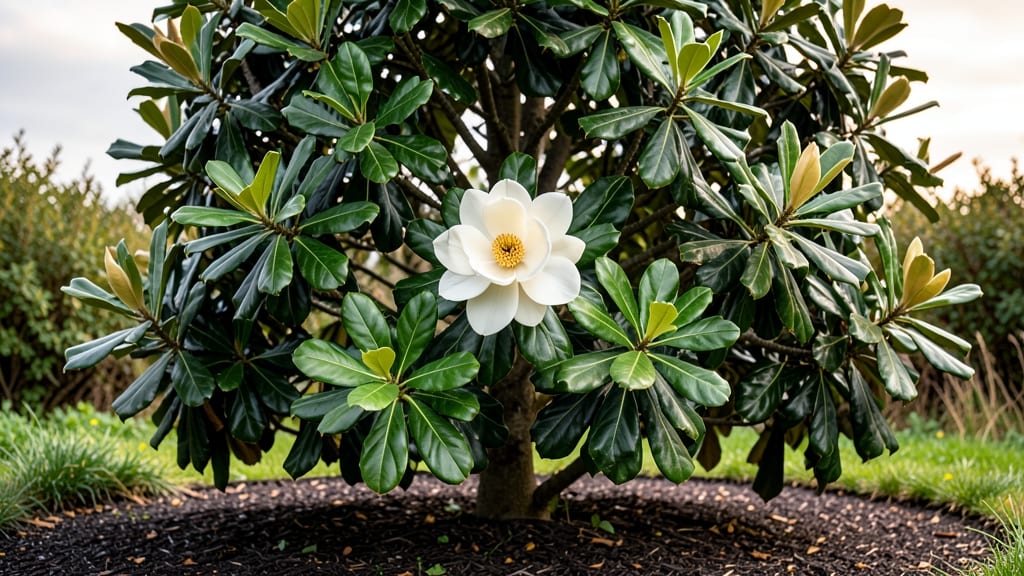
Growing bigleaf magnolia flowers means welcoming nature's most dramatic shade-loving statement into your garden. 🌿 These fragrant giants—with their 12-inch-wide blooms and glossy, 2-foot leaves—transform even the darkest corners into a lush, aromatic retreat.
I planted mine under a mature oak, and within five years, it became the centerpiece of my woodland garden. The secret to their success lies in patience and the right conditions. Bigleaf magnolias thrive in partial to full shade, tolerating areas where other plants struggle.
They demand rich, acidic soil (think pine mulch and compost) and consistent moisture, especially during their first three years. Overwatering is the only real enemy—these trees hate soggy roots.
Once established, you’ll reward yourself with creamy-white, lemon-scented blooms in late spring, followed by velvety seed pods that add texture through winter. The foliage stays deep green and glossy all season, providing year-round interest. Pruning is minimal—just remove dead branches in late winter.
Perfect for woodland gardens, large shade borders, or as a specimen tree in moist, acidic soils. Let’s get yours growing!
📚 In This Guide
- What you need
- Instructions
- Tips and common mistakes
- Wrapping up and next steps
What you need
- ● Bigleaf magnolia plant: 1 nursery-grown sapling (3–5 ft tall, recommended for faster results) OR
- ● Seeds (fresh or stratified for better germination) OR
- ● Hardwood cuttings (6–12 inches long, ½-inch thick, taken in late winter)
- ● Well-draining soil: Mix equal parts of garden soil, compost, and perlite (pH 5.0–6.5).
- ● Container or planting site: For containers: 15–20-gallon pot with drainage holes OR
- ● For in-ground: Sunken planting hole (2–3x wider than the root ball) to accommodate large roots.
- ● Mulch: 3–4 inches of organic mulch (pine bark or shredded leaves) to retain moisture.
- ● Garden trowel or spade (for transplanting).
- ● Pruning shears (sterilized with rubbing alcohol).
- ● Gloves (to protect hands from thorns and sap).
- ● Watering can or hose with gentle spray nozzle (avoid overhead watering).
- ○ pH testing kit (optional but helpful for soil prep).
- ○ Shade cloth (30–50%) (optional, for seedlings in hot climates).
- ● Location: Partial to full shade (dappled sunlight is ideal; avoid harsh afternoon sun).
- ● Climate: USDA Zones 4–9 (cold-hardy but prefers humidity).
- ● Patience: Seeds take 1–2 years to sprout; saplings may take 5–10 years to flower!
- ● Space: Mature trees reach 60–80 ft tall—plan for long-term growth.
Step-by-Step guide to planting and caring for bigleaf magnolias
Here's how to grow these fragrant shade-loving giants with minimal fuss—once established, they reward you for decades.
🌱 Step 1: Select the Perfect Planting Site and Prepare the Soil
Bigleaf magnolias thrive in partial to full shade, making them ideal for wooded gardens or understory plantings. Choose a spot with dappled sunlight—at least 4-6 hours of indirect light daily—where mature height won’t interfere with structures. These trees hate soggy roots, so avoid low-lying areas where water pools.
Test your soil’s drainage by digging a 12-inch-deep hole—if water sits above 6 inches after 30 minutes, amend the site with 2-3 inches of compost mixed into the top 12 inches of native soil. Bigleaf magnolias prefer slightly acidic to neutral soil (pH 5.5-7.0), so add sulfur or peat moss if your soil tests higher than 7.5. I always spread a 3-inch layer of organic mulch (like pine bark) around the base to retain moisture and regulate temperature.
🪴 Step 2: Plant Bare-Root or Container-Grown Saplings at the Right Time
Plant bare-root saplings in early spring (just as buds swell) or fall (6-8 weeks before your first frost). For container-grown trees, plant anytime the ground isn’t frozen. Dig a hole twice as wide as the root ball but no deeper—planting too deep suffocates the tree. Gently loosen the roots if they’re circling in the container, then position the tree so the top of the root ball sits 1-2 inches above ground level. This prevents stem rot from sitting water.
Backfill with native soil mixed with compost (use the 1 bag per tree you set aside earlier). Water deeply to remove air pockets, then firm the soil gently with your hands. Stake only if the tree leans—use two stakes and soft tree ties to avoid girdling the trunk. Mulch again with 3 inches of bark, keeping it 6 inches away from the trunk to prevent rot.
☀️ Step 3: Water Deeply and Adjust Care as the Tree Matures
Water once a week for the first year, providing 10-15 gallons per tree each time. Let the soil dry 2-3 inches deep between waterings—you’ll know it’s time when the topsoil feels dry to the touch. After the first year, magnolias develop deep roots and tolerate drought better, but deep waterings every 2-3 weeks during dry spells keep the foliage lush. Avoid overhead watering once the tree is established—drip irrigation or soaker hoses prevent fungal diseases like powdery mildew.
Fertilize only in spring (when new leaves emerge) with a balanced 10-10-10 formula—use 1 pound per inch of trunk diameter. Spread it 6 inches from the trunk and water it in immediately. Bigleaf magnolias are slow growers, so over-fertilizing leads to weak wood and fewer flowers. Prune only to remove dead, crossing, or rubbing branches—never "thin" for shape, as this stresses the tree.
✂️ Step 4: Protect Young Trees and Encourage Flowering
Young magnolias are vulnerable to deer, rabbits, and voles, which gnaw bark or chew leaves. Wrap the trunk with tree guard (available at nurseries) in late fall to deter rodents. Deer often browse new growth—if they’re a problem, install a 8-foot-high fence around the tree until it reaches 10 feet tall. I’ve lost count of how many neighbors’ magnolias got munched before they learned this trick.
Flowering typically starts at age 5-10, but you can encourage it by avoiding heavy pruning and ensuring the tree gets enough indirect light. The fragrant, cup-shaped blooms appear in late spring, followed by red seed pods in fall. Remove seed pods if you don’t want volunteer trees—magnolias self-seed aggressively. Once established, these trees need almost no maintenance, making them a "plant once, enjoy forever" shade staple.
Tips & tricks for perfect bigleaf magnolia flower planting
Once you've picked your spot and prepped the soil, these key strategies will help your magnolia thrive for decades.
Lighting Insight: The 4-6 hours of indirect light mentioned in Step 1 is crucial—think of it as "sunlight through a filter." If your spot gets harsh afternoon sun, consider planting near a north-facing wall or under taller trees that provide dappled shade. I've seen magnolias struggle in areas with intense morning sun followed by shade, so balance is everything. The goal is to mimic their natural understory habitat where they'd grow in forests.
Soil Test Tip: Before amending your soil, grab a simple pH test kit from your local garden center. The pH 5.5-7.0 range is ideal, but if your soil tests higher than 7.5, don't panic—you can adjust it gradually. I've found that adding sulfur works best when mixed into the top 12 inches of soil as specified, but it takes about 3 months to show results. Test again after that period to avoid over-acidifying.
Planting Position Secret: When positioning your sapling in Step 2, pay special attention to the 1-2 inch height above ground level—this is where many gardeners go wrong. Use a level to ensure the tree isn't tilted, which can cause uneven growth. I've seen magnolias develop permanent leans when planted at an angle, and they're notoriously difficult to correct later. Also, make sure the hole is twice as wide as the root ball, not just as wide—this prevents root circling.
Watering Wisdom: That first-year watering schedule of once weekly with 10-15 gallons might seem like a lot, but it's essential for establishing deep roots. I recommend using a rain gauge to measure rainfall—if you get more than 1 inch of rain in a week, you can skip that week's watering. For the 2-3 inch deep soil check, use a screwdriver: if it goes in easily, wait another day. This method is more reliable than just feeling the soil.
Pro Tips for Bigleaf Magnolia Flower
- Once you've picked your spot and prepped the soil, these key strategies will help your magnolia thrive for decades.
- Lighting Insight: The 4-6 hours of indirect light mentioned in Step 1 is crucial—think of it as "sunlight through a f...
- Soil Test Tip: Before amending your soil, grab a simple pH test kit from your local garden center. The pH 5.5-7.0 ran...
Frequently asked questions
Got questions about nurturing your bigleaf magnolia flower?
You’re not alone! Here are answers to the most common queries—from planting to troubleshooting—so you can grow these fragrant giants with confidence.
When is the best time to plant a bigleaf magnolia?
The ideal time to plant bigleaf magnolias is in early spring or fall, when soil temperatures are cool but not frozen. This gives roots time to establish before summer heat or winter cold. Avoid planting in extreme heat or drought—young plants need consistent moisture to thrive.
How long does it take for a bigleaf magnolia to bloom?
Patience is key! Bigleaf magnolias typically take 5–10 years to produce their first flowers, depending on growing conditions. Healthy, well-cared-for trees in the right climate (like USDA Zones 4–9) may bloom sooner. Once established, they reward you with stunning, fragrant blooms for decades.
Can bigleaf magnolias grow in full shade?
One of their biggest perks is their tolerance for shade. While they prefer partial shade (3–6 hours of sunlight daily), they can thrive in full shade, making them perfect for woodland gardens or under tall trees. Just ensure the soil stays moist—they dislike drought.
What pests or diseases should I watch for?
Bigleaf magnolias are generally low-maintenance, but keep an eye out for:
- Scale insects: Tiny, sap-sucking pests that leave sticky residue. Treat with horticultural oil if spotted.
- Powdery mildew: A white fungal coating on leaves, common in humid conditions. Improve airflow and avoid overhead watering.
- Root rot: Overwatering or poor drainage can cause this. Ensure well-draining soil and mulch properly.
Are there dwarf varieties of bigleaf magnolias?
While bigleaf magnolias (Magnolia macrophylla) don’t have true dwarf cultivars, you can find smaller-growing relatives like the ‘Butterflies’ or ‘Little Gem’ magnolias (though these are different species). For a compact option, consider Magnolia virginiana (sweetbay magnolia), which stays under 20 feet tall.
Pro Tip:
Mulch your bigleaf magnolia with 3–4 inches of organic mulch (like wood chips) to retain moisture, suppress weeds, and protect roots. Just keep mulch away from the trunk to prevent rot.
Wrapping up and next steps
The bigleaf magnolia flower is a stunning, fragrant addition to any shade garden, offering year-round beauty with its glossy leaves and showstopping blooms.
With the right care—like well-draining soil, patience, and a little shade—you can cultivate these fragrant giants into a centerpiece for your landscape. Ready to transform your garden? Start by selecting a healthy young tree or sapling, and soon you’ll be rewarded with the sweet, intoxicating scent of magnolia in full bloom! 🌿💐