
Leaf Blower
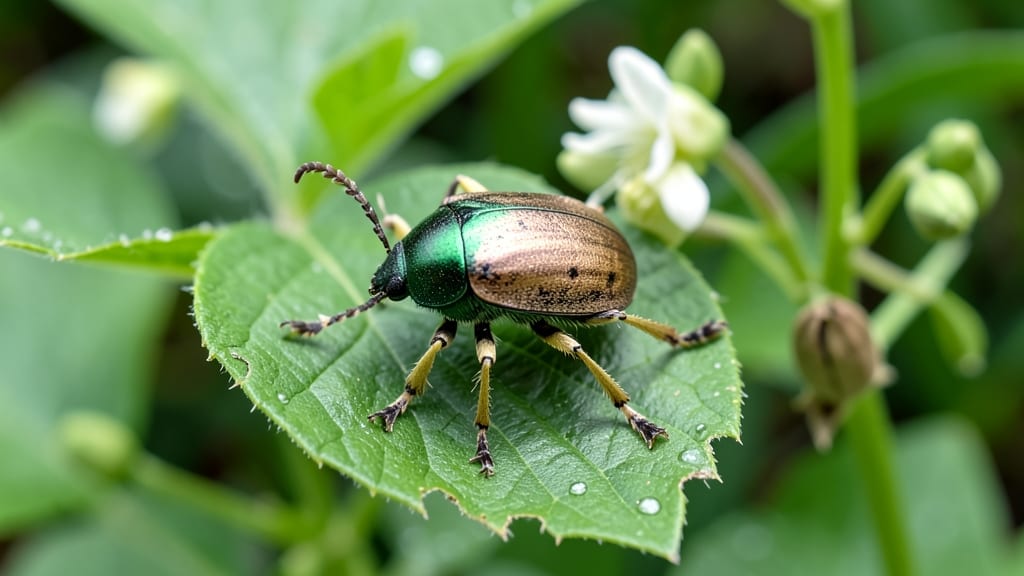
Bean leaf beetle control isn’t just a garden myth—it’s the foolproof barrier that stops these pests before they chew your plants to skeleton. I’ve watched these shiny black beetles strip entire rows of beans in under a week, and copper spray is the only thing that’s saved my harvest every time. The secret isn’t fancy equipment—it’s timing, concentration, and knowing exactly when to spray for maximum impact.
These beetles thrive in dry, hot weather, which is why they show up like clockwork in late June or early July. The damage? Tiny holes in leaves, skeletonized foliage, and—worst of all—stunted pods.
But copper spray works by creating an invisible shield: when the beetles crawl over it, the copper ions disrupt their exoskeleton, and they drop dead within 24 hours. No gross chemicals, no waiting for them to hatch—just instant defense.
You’ll see results within 3-5 days of the first application: fewer beetles, less damage, and plants that keep growing strong. The spray lasts through rain (unlike some organic options) and won’t harm bees or beneficial insects if applied after sunset.
Plus, it’s safe to use right up until harvest—no waiting period means no lost beans.
Works for bush beans, pole beans, and even lima beans, whether you’re growing in rows, containers, or raised beds. The key is consistency: spray every 7-10 days during peak beetle season, and you’ll outsmart these pests before they even start. Here’s exactly how to do it right.
Root Causes of Bean Leaf Beetle Infestations
Bean leaf beetles (Cerotoma trifurcata) aren’t just random pests—they thrive because of specific conditions that make your bean plants an all-you-can-eat buffet. Understanding why these striped invaders show up helps you disrupt their lifecycle before they wreck your harvest. Here’s the science behind their uninvited arrival:
Bean leaf beetles target weakened plants like vultures circling a wounded animal. When your beans are stressed—whether from drought, poor soil, or overcrowding—they produce volatile organic compounds (VOCs) that act as distress signals. These chemicals attract beetles, which see your plants as easy prey.
- Drought stress: Dry soil forces plants to conserve water, making them less resilient and more appealing to beetles.
- Nutrient deficiency: Beetles prefer nitrogen-rich plants. If your soil lacks nitrogen (N), your beans may compensate by producing more tender, beetle-loved foliage.
- Overcrowding: Tightly packed plants create humid microclimates, slowing airflow and trapping beetles. Plus, they compete for resources, making them easier targets.
Actionable fix: Space plants 4–6 inches apart, mulch to retain moisture, and test soil for nitrogen levels (aim for 0.5–1.0%). Irrigate deeply but infrequently to avoid root stress.
Bean leaf beetles have a 1–2 year lifecycle, with adults emerging in late spring to early summer (May–June in most regions).
If you plant beans too early (before soil warms to 60°F+) or leave them in the ground too late (after first frost), you’re rolling out the welcome mat.
- Early planting: Cool soil delays germination, leaving young seedlings vulnerable to beetles that arrive as temperatures rise.
- Late harvest: Beetles overwinter in leaf litter or soil. If you don’t clear debris, they’ll re-infest next year’s crop.
Actionable fix: Plant beans after the last frost when soil reaches 65°F+. Harvest promptly when pods mature, and remove all plant debris to starve overwintering beetles.
In nature, beetles face predators like ladybugs, birds, and parasitic wasps. But in managed gardens, these checks-and-balances often disappear due to:
- Pesticide overuse: Broad-spectrum sprays kill beneficial insects faster than beetles, creating a pest vacuum.
- Monoculture planting: Large patches of beans with no diversity offer beetles a feast with no escape.
- Urban/suburban gardens: Fewer wild predators (like toads or spiders) mean beetles face zero resistance.
Actionable fix: Introduce beneficial nematodes (Steinernema carpocapsae) or neem oil to disrupt beetle larvae without harming predators. Plant diverse crops (e.g., marigolds, nasturtiums) to attract natural enemies.
Beetles thrive in 75–85°F temperatures with 60–80% humidity. If your garden fits this profile—especially in southern states or greenhouses—you’re creating a beetle paradise. High humidity also slows the drying of copper spray barriers (more on that later!), making them less effective.
- Greenhouses: Stagnant air and high heat accelerate beetle reproduction.
- Shady spots: Moist, cool areas under trees or fences become beetle nurseries.
- Irrigation practices: Overhead watering keeps foliage damp, giving beetles 24/7 access to your plants.
Actionable fix: Improve airflow with trellises or pruning. Water at soil level (drip irrigation) to avoid wetting leaves. In greenhouses, use ventilation fans to drop humidity below 60%.
Bean leaf beetles are serial offenders. If they infested your garden last year, they’ve likely:
- Laid eggs in soil (larvae emerge in 2–3 weeks when warm).
- Overwintered as adults in leaf litter, ready to strike again.
- Contaminated compost with pupal cases.
Actionable fix: Rotate crops away from beans for 2–3 years. Solarize soil in late spring (cover with clear plastic for 4–6 weeks) to kill pupae. Avoid planting near previous bean patches.
Quick Fixes for Beetle Damage
Now that you understand why bean leaf beetles invade your garden, it’s time to take action! These pests can strip your plants bare in no time, but with the right strategies, you can reclaim your garden and protect your crops.
Below are practical, step-by-step solutions tailored to the most common causes of infestations—plus prevention tips to keep beetles at bay for good.
If beetles are already munching on your plants, physical barriers can create an instant defense line.
🛡️ Use Row Covers or Netting
- How to do it: Drape fine mesh row covers (1mm or smaller) over your plants before beetles appear in spring.
Secure the edges with soil or stakes to prevent gaps. - Best for: Early-stage infestations, young seedlings, or high-value crops like soybeans. - Pro tip: 💡 Leave the covers slightly loose at the bottom to allow airflow while keeping beetles out.
🍳 Copper Spray Barrier (Your Secret Weapon!)
- How to do it: Mix copper-based fungicide (like copper sulfate or copper hydroxide) with water (follow label instructions) and spray it directly on plant stems and leaves.
The copper creates a mild electric barrier that repels beetles on contact. - When to apply: At dusk or dawn (beetles are less active) and reapply after rain. - Bonus: Copper also deters other pests like slugs and snails!
When infestations are small, manual removal can save your plants without harsh chemicals.
🕷️ Handpick Adult Beetles - How to do it: Wear gloves and inspect leaves daily.
Drop beetles into soapy water (1 tbsp dish soap per gallon) to kill them instantly. - Best time: Early morning when beetles are sluggish. - Pro tip: 🌡️ If temps drop below 50°F (10°C), beetles become less active—perfect for a picking spree!
🪰 Use Sticky Traps or Yellow Bowls
- How to do it: Place yellow sticky traps (beetles are attracted to yellow) near plants or fill small bowls with soapy water and yellow dye. Beetles land and drown.
- Best for: Monitoring infestations and reducing numbers in large gardens.
A healthy plant is less appealing to beetles. Strengthen your crops with these low-effort, high-impact strategies.
💪 Encourage Beneficial Insects
- How to do it: Plant neighboring flowers like alyssum, marigolds, or dill to attract ladybugs, lacewings, and parasitic wasps—natural beetle predators.
- Best for: Long-term prevention in perennial gardens.
🥗 Use Neem Oil or Insecticidal Soap
- How to do it: Spray neem oil (1 tsp per quart of water + a drop of dish soap) on both sides of leaves.
Reapply every 5–7 days or after rain. - Why it works: Disrupts beetle feeding and reproduction without harming plants. - Pro tip: ✨ Test on a small leaf first—some plants (like tomatoes) are sensitive to neem.
🍎 Rotate Crops & Clean Up Debris
- How to do it: Avoid planting beans in the same spot yearly. After harvest, remove all plant debris (beetles overwinter in leaf litter).
- Prevention gold: 🎯 Mulch with straw to deter beetles from laying eggs in soil.
If beetles have already defoliated your plants, act fast with these last-resort tactics.
🔪 Chemical Control (Use Sparingly)
- How to do it: Apply pyrethrin-based sprays (derived from chrysanthemums) or carbaryl (Sevin) as a last resort.
Follow label instructions precisely. - Warning: 🚨 Avoid spraying when bees are active—these chemicals harm pollinators. - Best for: Heavy infestations only—not a first-line defense.
🌱 Sacrifice Trap Plants
- How to do it: Plant a small patch of beans or peas away from your main crop. Beetles will flock there first—remove and destroy them before they spread.
- Smart move: Use fast-growing varieties like bush beans to lure beetles early.
Stop beetles before they start with this simple maintenance plan:
| Task | When to Do It | How to Do It |
|---|---|---|
| Scout early spring | March–April | Check for eggs (tiny orange clusters) on undersides of leaves. |
| Apply copper spray | Before beetles appear | Spray stems and soil around plants. |
| Remove weeds | All season | Beetles hide in weeds—pull them weekly. |
| Interplant flowers | Spring planting | Add alyssum or marigolds near beans. |
| Store seeds properly | Off-season | Keep seeds in airtight containers to avoid hitchhiking beetles. |
Final Thought: 🎯 The key to beating bean leaf beetles is speed and prevention. Start with copper sprays and row covers, then reinforce with beneficial insects and clean-up. With these tactics, your garden will stay lush—and beetle-free!
Frequently asked questions
Can copper spray harm my bean plants or other garden plants?
When used correctly, copper spray is safe for bean plants and most vegetables. The key is following label instructions—typically 1-2 tablespoons per gallon of water. Always test on a small leaf first, especially for sensitive plants like tomatoes or peppers. Copper becomes less effective and potentially harmful if overused, so reapply only after rain or every 7-10 days during active beetle season.
How do I know if my bean plants have bean leaf beetle eggs?
Look for tiny orange clusters (about the size of a pinhead) on the undersides of leaves, especially near new growth. These are the eggs, and they'll hatch into larvae in 5-7 days if conditions are warm. Check leaves regularly in spring (March-April) when adults start laying eggs. Early detection lets you treat before larvae cause serious damage.
Will neem oil kill bean leaf beetle larvae as well as adults?
Neem oil works best against larvae than adults, but it's still effective when applied properly. For larvae, spray both sides of leaves thoroughly every 5-7 days—neem disrupts their feeding and growth. Adults are more resistant, so combine neem with copper spray for complete control. Always apply in the evening to avoid harming bees, and reapply after rain.
Can I use row covers after my beans have already sprouted?
Yes, but you'll need to secure them loosely to allow airflow while keeping beetles out. For established plants, use hoop tunnels or cage-like structures with fine mesh. If your plants are already flowering, remove covers during pollination periods (bees need access). The best time to install row covers is at planting, but late installation is better than nothing—just expect slightly reduced pollination.
How long does it take to see results from copper spray?
You should see a noticeable reduction in beetles within 3-5 days of application. The copper creates an immediate barrier that kills beetles on contact. For complete control, apply every 7-10 days during peak season (late spring to early summer). Results are faster in dry conditions—rain can wash away the copper, so reapply after heavy rainfall for continuous protection.