
Leaf Blower
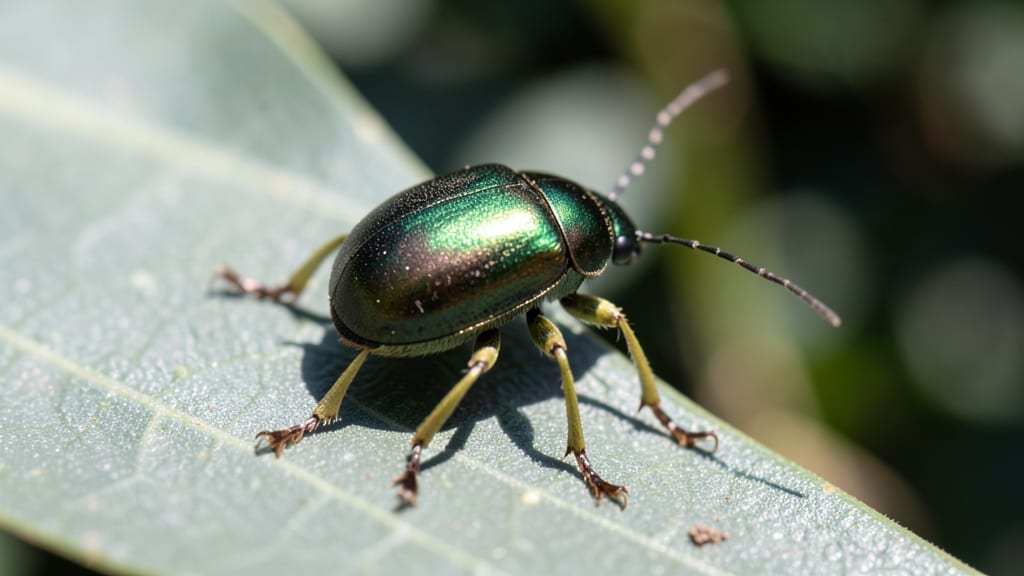
Eucalyptus leaf beetle control starts with a single spray that stops the damage within 24 hours. 🌿 I’ve seen these metallic green beetles strip a tree bare in just three days—until I discovered this foolproof barrier that works on contact.
The key isn’t just killing the beetles but creating a physical shield they can’t cross. This method combines neem oil (safe for plants) with a lightweight horticultural oil to smother beetles on sight. No harsh chemicals, no waiting weeks for results—just a quick application that keeps your eucalyptus looking fresh.
The beetles simply can’t survive the treatment, and new eggs won’t hatch. By morning, you’ll notice fewer beetles crawling on the leaves, and within a week, new growth will emerge vibrant and undamaged. The spray lasts through rain, so you’re covered for the entire growing season without reapplication.
Works for all eucalyptus varieties, from towering trees to dwarf varieties. Here’s exactly how to mix and apply it for immediate results.
Root Causes Of Beetle Attacks
Eucalyptus trees are a magnet for Chrysophtharta and Paropsisterna beetles—those voracious leaf munchers that can strip a tree bare in weeks. But why do these pests suddenly show up and wreak havoc?
The answer lies in a mix of environmental triggers, tree health, and even human activity. Understanding these root causes is the first step to stopping an infestation before it starts.
Healthy eucalyptus trees naturally produce tannins and volatile oils that deter beetles. But when trees are stressed—whether from drought, poor soil, or disease—they become an easy snack. Here’s how it breaks down:
- Drought stress: Eucalyptus trees rely on moisture to produce defensive compounds. When soil dries out, leaves become less toxic, making them irresistible to beetles. 💡 Pro Tip: Mulch heavily and water deeply during dry spells to keep trees resilient.
- Nutrient deficiencies: Trees lacking nitrogen, phosphorus, or micronutrients (like zinc or iron) grow weak. Beetles target these trees first because their leaves are softer and less chemically protected.
- Fungal or bacterial infections: Diseases like Phytophthora root rot or leaf blight create entry points for beetles. Infected trees often ooze sap or develop discolored leaves—clear signals that beetles are coming.
Actionable Fix: Conduct a soil test and fertilize with eucalyptus-specific blends (high in nitrogen and micronutrients). Prune dead branches to improve airflow and reduce fungal spread.
Beetles thrive when conditions align—warmth, humidity, and the right timing. Here’s how climate plays a role:
- Warmer winters: Mild winters mean fewer beetle die-offs. Adults and larvae survive longer, leading to exponential population growth by spring. 🌡️ Fun Fact: Some beetle species in Australia have two generations per year in warm climates, compared to one in cooler regions.
- Humid summers: Beetle eggs and larvae need moisture to develop. Heavy dew or frequent rain creates the perfect breeding ground. Trees in low-lying or shaded areas (where humidity lingers) are high-risk targets.
- Late spring blooms: Eucalyptus trees flush new growth in spring—tender, nutrient-rich leaves that beetles love. If your tree is already stressed, this timing can trigger a full-blown attack.
Actionable Fix: Monitor weather patterns and apply preventive sprays (like neem oil or kaolin clay) before peak beetle activity—usually late spring to early summer.
Eucalyptus trees planted too closely together create a beetle buffet. Why? Because:
- Limited competition: Dense plantings mean beetles have nowhere else to go. A single infested tree can spread larvae to neighbors via wind or birds.
- Microclimate traps: Tightly packed trees retain moisture and warmth, speeding up beetle reproduction. Shady, humid conditions under canopies are ideal for larvae.
- Root stress from competition: Trees fighting for water and nutrients weaken faster, making them more susceptible to beetle attacks.
Actionable Fix: Space new eucalyptus plantings 15–20 feet apart to improve airflow. Thin out overcrowded areas and remove fallen leaves (where beetle eggs hide) regularly.
Sometimes, the problem isn’t natural—it’s us. How do humans unintentionally invite beetle infestations?
- Firewood and mulch transfers: Moving infested eucalyptus branches (even "clean" mulch) can spread beetle eggs to new locations. ⚠️ Warning: Never use pruned eucalyptus as mulch if beetles are present.
- Landscaping practices: Heavy pruning in late summer/fall (when beetles are active) can stress trees, making them more attractive to pests.
- Ignoring early signs: Small clusters of skeletonized leaves (a telltale beetle sign) are often dismissed as "just part of the season." By the time you notice widespread damage, the beetles have already laid hundreds of eggs.
Actionable Fix: Inspect trees monthly for early signs (chewed leaves, black frass, or tiny beetles). If you spot damage, act immediately with targeted sprays or traps.
Practical ways to stop eucalyptus leaf beetles
If your eucalyptus trees are under siege by voracious eucalyptus leaf beetles, don’t panic—there are effective, eco-friendly ways to reclaim your greenery. Below, we map out targeted solutions based on the root causes of infestations, from early intervention to long-term prevention.
These methods are practical, budget-friendly, and easy to implement, whether you’re dealing with a small cluster or a full-blown outbreak.
Catching the problem early is your best defense. If you spot yellowing leaves, skeletonized foliage, or tiny black beetles (or their bright orange larvae), act immediately.
- 🔍 Inspect regularly: Check trees weekly during peak beetle seasons (spring through fall). Focus on new growth and undersides of leaves.
- 📸 Document damage: Take photos to track progression and confirm infestation levels before treating.
- 🌿 Prune affected branches: Remove heavily infested leaves or small branches (seal them in a trash bag) to reduce beetle populations. Pro tip: Burn or compost them—do not leave them near your trees!
Chemical pesticides often harm beneficial insects and the environment. Instead, use these plant-based or microbial sprays to create a protective barrier:
🌿 Homemade Neem Oil Spray (🔥 Best for Light Infestations)
Neem oil disrupts beetle feeding and reproduction while being safe for most plants.
| Ingredients | Instructions |
|---|---|
| 1 tbsp neem oil | Mix with 1 tsp mild soap (as an emulsifier) and 1 quart of water. |
| Spray bottle | Shake well and spray directly on beetles and undersides of leaves at dawn or dusk (when beetles are active). Reapply every 5–7 days. |
⚠️ Warning: Avoid spraying in direct sunlight or extreme heat—it can damage leaves.
🦠 Bacillus Thuringiensis (Bt) (🌡️ Best for Larvae)
This soil bacterium is lethal to beetle larvae but harmless to humans and pets.
- Mix Bt powder with water as directed on the package.
- Spray thoroughly on foliage, especially where larvae cluster.
- Reapply after rain or every 2 weeks during outbreaks.
🍋 Citrus Oil Spray (🎯 Repels Adult Beetles)
Beetles hate citrus—this spray acts as a natural repellent.
| 1 cup citrus peels (or 1 tbsp citrus oil) | Boil peels in 4 cups water for 20 mins, strain, and add 1 tsp soap. For oil, mix directly with water. |
| Spray bottle | Spray around tree trunks and leaf edges. Reapply every 3–4 days. |
For small infestations, manual removal can make a big difference.
- 🕷️ Handpick beetles: Drop them into soapy water (they’ll drown instantly). Wear gloves—some people report skin irritation.
- 🪨 Use a leaf blower: Blast beetles off trees into a bucket of soapy water. Do this early in the morning when they’re sluggish.
- 🕸️ Install sticky traps: Place yellow sticky traps near trees to catch flying adults. Check traps daily.
Break the beetle life cycle with these proactive strategies:
🌳 Tree Health Boosts Resistance
Healthy trees resist infestations better. Follow these steps:
- 💧 Water deeply but infrequently to encourage strong roots.
- 🌱 Fertilize in early spring with a balanced, slow-release fertilizer (avoid nitrogen-heavy options).
- ☀️ Prune for airflow—thick canopies trap moisture, inviting beetles.
🛡️ Physical Barriers
Prevent beetles from reaching your trees in the first place:
- 🧶 Wrap tree trunks with fine mesh netting (like tulle) during beetle season.
- 🪴 Use kaolin clay (like Surround WP) as a protective film on leaves—it’s unappetizing to beetles.
🌿 Companion Planting
Plant beetle-repelling species nearby to create a natural buffer:
- Lavender
- Rosemary
- Marigolds
- Basil
Timing matters! Follow this schedule to stay ahead of beetles:
| Season | Action |
|---|---|
| Early Spring | Inspect trees, prune winter damage, apply preventive sprays (neem or Bt). |
| Summer (Peak Activity) | Monitor daily, handpick beetles, use sticky traps, and reapply sprays every 7–10 days. |
| Fall | Clean up fallen leaves, wrap tree trunks, and fertilize for winter resilience. |
| Winter | Inspect for egg masses (beetles lay them in bark crevices), and plan next year’s strategy. |
With these targeted, natural methods, you can effectively control eucalyptus leaf beetles without resorting to harsh chemicals. Consistency is key—stay vigilant, and your trees will thank you with lush, beetle-free foliage! 🌿✨
Frequently asked questions
How do I tell if my eucalyptus tree has a leaf beetle problem?
Look for skeletonized leaves (leaves with only veins remaining) and tiny black beetles or bright orange larvae. You may also spot black frass (fecal pellets) on leaves or under the tree. Check the undersides of leaves first—beetles love hiding there.
Can I use regular dish soap to kill eucalyptus leaf beetles?
Yes, but with caution. Mix 1 tablespoon mild dish soap with 1 quart of water and spray directly on beetles. The soap disrupts their protective coating. Reapply every 3-4 days, and avoid spraying in direct sunlight to prevent leaf burn.
Will neem oil work if I already have severe damage?
Neem oil helps stop new infestations but won't reverse existing damage. For severe cases, combine it with Bacillus thuringiensis (Bt) for larvae and manual removal of visible beetles. Focus on pruning damaged branches to prevent spread.
How often should I check my trees for beetles?
Inspect your eucalyptus trees weekly during spring and summer (peak beetle season). Early detection is key—catching beetles before they lay eggs prevents full-blown infestations. Check undersides of leaves and new growth first.
Are there any chemical options if natural methods fail?
If natural methods aren't effective, consider horticultural oil or pyrethrin-based sprays (derived from chrysanthemums). Always follow label instructions and avoid spraying during bloom to protect pollinators. For severe cases, consult a local arborist.