
Pests
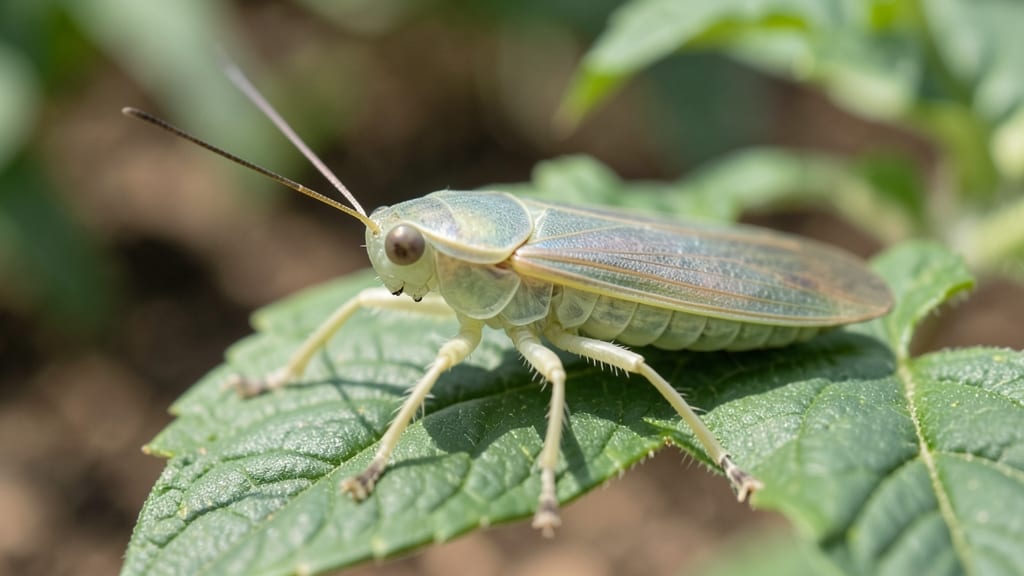
Yes, leafhoppers are bad for plants because they suck sap from leaves, causing stunted growth, yellowing, and distorted foliage, while also spreading harmful plant diseases like aster yellows. Their rapid reproduction worsens damage if left unchecked.
Leafhoppers are especially troublesome because their feeding habits don't just weaken plants—they inject toxins through their saliva that trigger stress responses. 🌿 This leads to brown or yellow patches on leaves, known as "hopperburn," which can eventually kill affected foliage.
The real danger lies in their role as disease vectors; they transmit over 100 plant pathogens, including bacterial leaf scorch and curly top virus, which can devastate entire crops or gardens.
What makes them particularly frustrating is their ability to reproduce explosively—some species can lay hundreds of eggs in a single season. This means an infestation can spiral out of control in just a few weeks if you don't catch it early.
The good news? Their mobility makes them vulnerable to natural predators like lacewings and parasitic wasps, which can help keep populations in check without harsh chemicals.
💡 In This Article
- How Leafhoppers Harm Plants and Spread Diseases
- Natural Ways to Control Leafhopper Infestations
How leafhoppers harm plants and spread diseases
Leafhoppers damage plants primarily through their piercing-sucking mouthparts, which inject toxins while extracting sap. These tiny insects target leaf phloem—the plant's nutrient transport system—creating wounds that disrupt photosynthesis. The injected saliva contains phytotoxins that trigger hopperburn, a condition where leaves develop brown or yellow patches that eventually die.
This damage weakens the plant's ability to produce energy, leading to stunted growth and reduced yields.
The real danger lies in their role as disease vectors. Leafhoppers transmit over 100 plant pathogens, including bacterial leaf scorch and curly top virus, by feeding on infected plants and then spreading the pathogens to healthy ones.
Their saliva also contains proteins that suppress plant immune responses, making infected plants more susceptible to secondary infections. For example, aster yellows—a bacterial disease—can spread rapidly through leafhopper feeding, turning vibrant flowers into deformed, yellowed messes within weeks.
What makes leafhoppers particularly destructive is their rapid reproduction cycle. A single female can lay hundreds of eggs in a season, and their nymphs (baby leafhoppers) mature in just 2-3 weeks. This exponential growth means an infestation can overwhelm a garden or crop in a matter of weeks.
The stress from sap loss and disease transmission often leads to premature leaf drop, weakened stems, and even plant death in severe cases.
The damage isn't just cosmetic—it's systemic. When leafhoppers feed, they remove critical nutrients like sugars and amino acids, starving the plant. This nutrient depletion shows up as yellowing between leaf veins (a classic sign of phloem damage) and distorted new growth.
Unlike chewing insects, leafhoppers leave no visible bite marks, making their presence easy to overlook until the damage is severe.
Leafhoppers also excrete a sticky substance called honeydew as they feed, which attracts sooty mold—a black fungal growth that further blocks sunlight and clogs plant pores. This secondary issue adds another layer of stress to already compromised plants.
The combination of direct feeding damage, disease transmission, and honeydew-related problems creates a perfect storm for plant decline.
Understanding these mechanics helps explain why leafhopper infestations can turn a healthy garden into a struggling one in record time. Their ability to spread diseases like aster yellows—once introduced—makes them one of the most insidious pests in horticulture. 🌱