
Leaf Blower
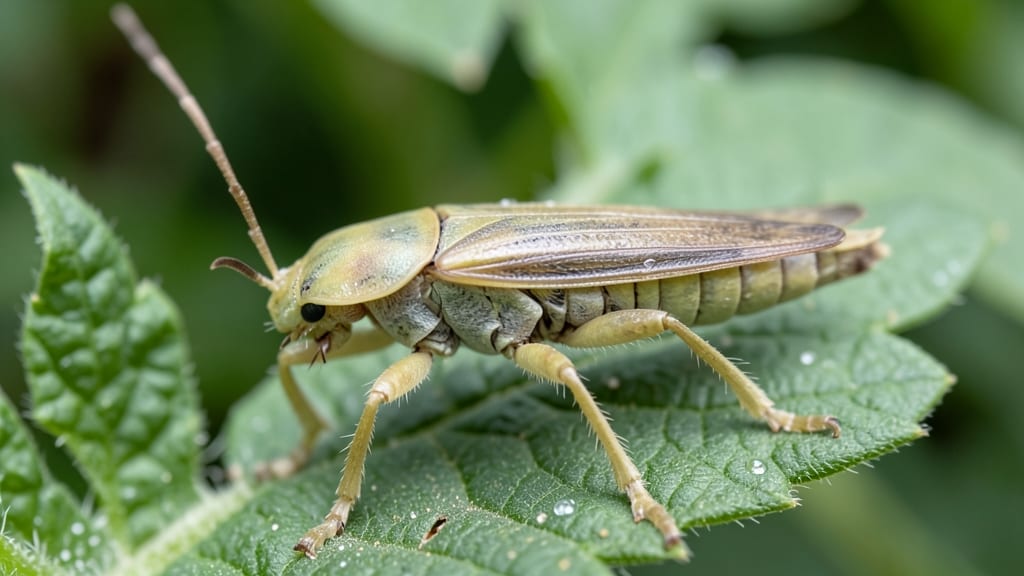
Leaf-footed bugs are harmful primarily as plant pests, sucking sap from leaves and fruit, which causes wilting, discoloration, and reduced yields. Their bites can also irritate humans but rarely transmit diseases.
Leaf-footed bugs may look harmless with their leaf-like hind legs, but their piercing mouthparts make them destructive sap-suckers for gardens and crops. 🌿 They target tender plants like tomatoes, peppers, and citrus, leaving behind brown, irregular patches where they've drained nutrients.
While their bites on humans usually cause temporary redness or swelling, the real damage happens in your yard—these pests can defoliate plants and weaken fruit production if left unchecked. The key to managing them lies in early detection and targeted control methods.
These bugs thrive in warm climates and often go unnoticed until their populations explode. Adults overwinter in protected areas, while nymphs emerge in spring to feed aggressively. The damage escalates as they mature, making summer the critical window for intervention.
Understanding their lifecycle helps gardeners time treatments effectively, whether using organic sprays or physical removal techniques.
💡 In This Article
- How Leaf-Footed Bugs Damage Plants and Crops
- Natural and Chemical Control Methods for Leaf-Footed Bugs
How leaf-footed bugs damage plants and crops
Leaf-footed bugs inflict damage through their specialized piercing-sucking mouthparts, which they use to penetrate plant tissues and extract sap. These mouthparts function like hypodermic needles, injecting enzymes that break down cell walls while the bug sucks out nutrients.
The process creates irregular brown patches on leaves—often called "scorch marks"—where the plant's vascular system is disrupted. 🌿 This feeding weakens the plant's ability to photosynthesize, leading to stunted growth and reduced fruit production.
These pests target tender, fast-growing plants like tomatoes, peppers, citrus, and beans, which provide easy access to their nutrient-rich sap. A single adult can consume up to 10% of a leaf's surface area in just a few days, while nymphs (baby bugs) are even more voracious relative to their size.
The damage escalates during their 4-5 lifecycle stages, with later instars causing more severe harm as their mouthparts grow stronger. In extreme cases, heavy infestations can defoliate plants entirely, leaving them vulnerable to secondary pests and diseases.
The visible symptoms of leaf-footed bug damage include yellowing leaves, blackened edges, and premature fruit drop. Unlike chewing insects that create clean holes, these bugs leave behind a ragged, uneven appearance as they move from spot to spot.
The sap loss also makes plants more susceptible to fungal infections, as weakened tissue can't defend itself effectively. 🍅 What makes this particularly frustrating is that the bugs often hide on the undersides of leaves or in dense foliage, making them hard to spot until the damage is already visible.
Timing plays a crucial role in the severity of damage. Early-season infestations allow plants to recover somewhat, but attacks during fruit development can lead to misshapen or underdeveloped produce.
The bugs also produce a sticky honeydew as they feed, which attracts ants and promotes sooty mold growth—a secondary problem that further stresses the plant. This honeydew often appears as black, fuzzy patches on leaves, signaling an established infestation that requires immediate attention.
Understanding the temperature preferences of leaf-footed bugs helps explain their seasonal patterns. They thrive in warm climates (75-90°F) and become less active below 60°F, which is why they're most problematic during summer months. This knowledge allows gardeners to implement preventive measures—like row covers or early-season monitoring—before populations explode.
The key to minimizing damage lies in early detection and targeted intervention before the bugs reach their most destructive lifecycle stages.
Interestingly, these bugs exhibit a behavior called "mass migration" when environmental conditions become unfavorable, which can suddenly turn a minor pest problem into a full-blown infestation.
This migratory pattern is triggered by factors like drought or extreme heat, causing them to move en masse to new host plants. 🌪️ Recognizing this behavior can help gardeners anticipate outbreaks and prepare their defenses accordingly.