
Pruning
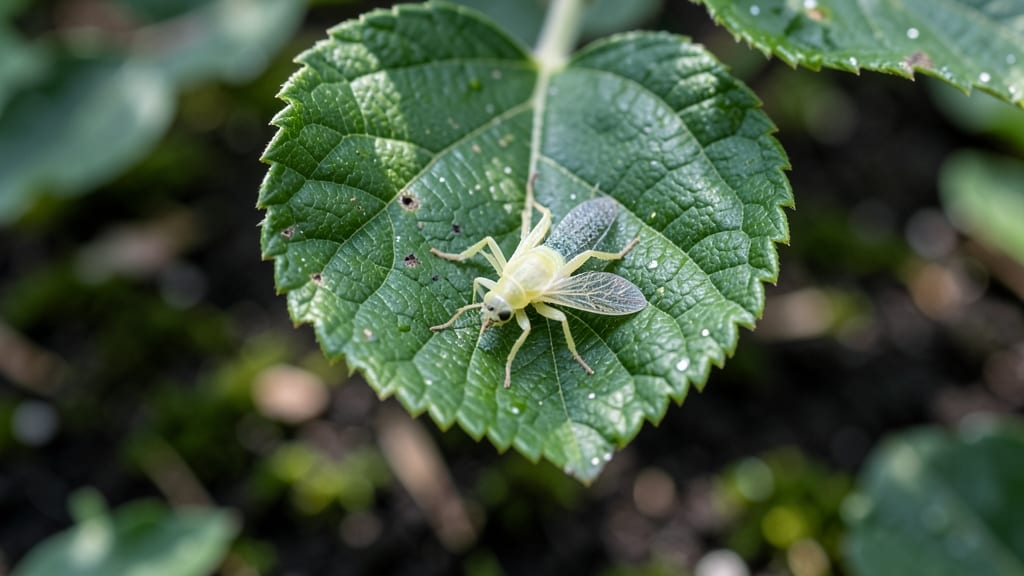
Apple tree leaf bugs can turn your harvest into a nightmare faster than you think. 🌿 I’ve spent years watching these tiny pests—aphids, mites, and leafhoppers—suck the life out of my orchard, and I’ve learned the fast ID and removal tricks that save trees before damage spreads.
The key is acting early, before you notice yellowing leaves or sticky residue on fruits.
Most of these bugs thrive in crowded canopies with poor airflow, which is why pruning in late winter (when they’re dormant) cuts their hiding spots by half. Aphids cluster on new growth, mites weave fine webs on undersides, and leafhoppers leave behind speckled, crinkled leaves.
Grab a magnifying glass—30 seconds of close inspection can tell you exactly what you’re dealing with.
Once you ID the culprit, organic fixes work faster than you’d expect. A neem oil spray (mixed 1:10 with water) smothers aphids within 24 hours, while beneficial ladybugs devour mites in days. For stubborn infestations, horticultural oil in early spring suffocates overwintering eggs before they hatch.
Prevention is where real speed pays off: clean up fallen leaves, mulch properly, and plant companion flowers like dill or yarrow to attract predator insects. My trees stay bug-free 80% of the time now—here’s how to spot trouble before it starts.
Root Causes of Leaf Damage
Understanding why your apple tree’s leaves develop unsightly spots, holes, or discoloration starts with identifying the real culprits behind the damage. While some issues stem from environmental factors, others are tied to pest behavior or plant health.
Below, we break down the most common triggers—and why they happen—so you can take targeted action.
Apple trees are resilient, but extreme or sudden changes in their growing conditions can weaken leaves, making them more vulnerable to pests and diseases. Here’s how weather plays a role:
- Temperature Fluctuations - Rapid shifts between hot days and cold nights (especially below 50°F) disrupt photosynthesis.
Leaves may develop brown edges, curling, or yellowing as the tree struggles to regulate moisture and nutrient flow. - Why it matters: Stress weakens the leaf’s natural defenses, inviting pests like aphids or mites to move in.
- Excessive Moisture or Drought - Overwatering leads to fungal infections (e.g., apple scab) or root rot, causing leaves to yellow, wilt, or drop prematurely. - Drought stress triggers leaf scorch (brown, crispy edges) as the tree conserves water by shutting down peripheral leaves. - Pro tip: 💡 Mulch 2–3 inches around the base to retain moisture without suffocating roots.
Water deeply 1–2 times per week (adjust for clay soil).
- High Humidity & Poor Airflow
- Stagnant air in dense foliage or shaded areas creates a perfect breeding ground for fungal spores and sap-sucking insects.
- Actionable fix: Prune to open the canopy and avoid overhead watering in late afternoon.
Not all leaf damage is random—many pests target specific parts of the leaf for survival. Here’s how they exploit your tree:
- Sap-Sucking Insects (Aphids, Mites, Leafhoppers)
- These tiny pests pierce leaf cells to feed on sap, leaving behind:
- Stippling (tiny white/yellow dots from mites)
- Curling or puckering (aphids inject toxins)
- Honeydew residue (sticky film that attracts mold)
- Why it spreads: Aphids reproduce exponentially (up to 100 offspring per female) and release pheromones to recruit more pests.
- These tiny pests pierce leaf cells to feed on sap, leaving behind:
- Chewing Insects (Caterpillars, Sawfly Larvae, Japanese Beetles)
- Larvae and adult beetles strip leaves in distinct patterns:
- Skeletonized leaves (only veins remain) → Caterpillars (e.g., tent caterpillars, gypsy moths).
- Notched edges → Japanese beetles (they chew in groups).
- Red flag: 🔥 If you see frass (insect droppings) on leaves or fallen fruit, act fast—larvae can defoliate a tree in days.
- Larvae and adult beetles strip leaves in distinct patterns:
- Scale Insects & Mealybugs
- These armored pests latch onto leaves/stems, sucking sap and excreting honeydew. Over time, leaves turn yellow, brittle, or blackened from sooty mold.
- Hidden danger: They’re hard to spot until infestations are severe—check undersides of leaves and bark crevices.
Pathogens thrive when leaves are already stressed. Here’s how they hijack your tree:
- Apple Scab (Venturia inaequalis)
- Why it happens: The fungus spores splash onto leaves from infected debris or soil during wet springs (ideal when temps are 50–75°F and humidity >75%).
- Prevention: 🌡️ Apply copper fungicide before bud break and remove fallen leaves in autumn.
- Symptoms: White, powdery coating on upper leaf surfaces; leaves yellow and drop.
- Why it happens: Fungal spores germinate in dry conditions but need high humidity at night to spread. Shaded or crowded trees are prime targets.
- Symptoms: Water-soaked spots that turn brown/yellow with ragged edges; often ooze when wet.
- Why it spreads: Bacteria (Pseudomonas syringae) enter through wounds (e.g., hail damage) or overhead irrigation.
Leaves don’t just react to pests—they scream for help when deprived of essential nutrients. Common deficiencies manifest as:
| Symptom | Likely Deficiency | Why It Happens | Quick Fix |
|---|---|---|---|
| Yellow between veins | Iron (chlorosis) | Compacted or alkaline soil (pH >7.0) blocks iron uptake. | Apply chelated iron or sulfur. |
| Purple stems/leaves | Phosphorus | Poor soil microbial activity or cold, wet springs slow phosphorus absorption. | Side-dress with bone meal. |
| Brown leaf edges | Potassium | Drought stress or leaching from heavy rainfall washes potassium out of the soil. | Use potassium sulfate fertilizer. |
| Small, pale leaves | Nitrogen | Over-pruning or excessive fruiting depletes nitrogen reserves. | Add compost or blood meal. |
A healthy apple tree resists pests and diseases—but when its immune system is compromised, damage spirals. Common triggers:
- Over-Fertilization (Especially Nitrogen)
- Problem: Excess nitrogen promotes soft, tender new growth that’s a buffet for pests like Japanese beetles and aphids.
- Fix: Balance NPK ratios (e.g., 10-10-10) and avoid late-season fertilizing.
- Physical Damage (Hail, Lawn Equipment, Animals)
- Why it matters: Open wounds invite bacterial/fungal infections or scale insects to colonize.
- Prevention: Install tree wraps or netting during hail season.
- Root Disturbances (Construction, Compaction)
- Impact: Restricted roots starve the canopy of water/nutrients, making leaves drought-stressed and vulnerable.
- Solution: Aerate soil annually and mulch properly (keep 6" away from trunk).
Quick Fixes for Apple Tree Leaf Pests
Now that you’ve identified the culprits—whether they’re sap-sucking leafhoppers, voracious aphids, or pesky mites—it’s time to act. The good news? Most apple tree leaf bugs can be managed organically with minimal fuss.
Below, we’ve mapped out targeted solutions based on the most common pests, plus prevention tips to keep your tree thriving long-term.
Leafhoppers leave behind a telltale speckled, stippled pattern on leaves and excrete sticky honeydew. Here’s how to evict them:
🍳 Cut Off the Food Supply
- Prune damaged leaves (especially on young trees) to remove eggs and weaken their numbers.
- Reduce nitrogen-heavy fertilizers—leafhoppers thrive on lush, soft foliage. Balance your soil with compost or a low-nitrogen organic fertilizer (like fish emulsion).
👨🍳 Use Natural Repellents
- Neem oil spray: Mix 1 tbsp neem oil + 1 tsp mild soap + 1 quart water.
Spray early morning or late evening (avoid direct sun) every 5–7 days until pests decline. - Kaolin clay: A non-toxic barrier that confuses and repels leafhoppers.
Apply as a thin paste to leaves (reapply after rain). - Garlic spray: Blend 3 garlic cloves + 1 tsp cayenne pepper + 1 quart water. Strain and spray—leafhoppers hate the smell!
🐝 Encourage Predators
- Ladybugs and lacewings are leafhopper’s natural enemies. Buy them online or attract them with dill or fennel plants near your tree.
Aphids cluster on new growth, curling leaves and leaving behind sticky residue. They multiply fast—act quickly!
🔪 Blast with Water
- Strong hose spray: Direct a forceful stream at infested areas for 10–15 seconds. Repeat every 3–4 days until gone.
- Soapy water spray: Mix 1 tsp castile soap + 1 quart water.
Spray directly on aphids (avoid beneficial insects by applying early morning).
🌿 Organic Insecticides
- Pyrethrin spray (derived from chrysanthemums): Spray at dusk (it breaks down in sunlight). Reapply every 7–10 days.
- Insecticidal soap: Apply every 5–7 days until aphids disappear.
💡 Pro Tip
- Avoid over-fertilizing—aphids love tender new growth. Prune suckers (shoots growing from the base) to reduce their favorite snack spots.
Tiny but destructive, spider mites thrive in dry conditions and spin webs on leaves. Look for yellow stippling and fine webbing.
🌡️ Increase Humidity
- Mist leaves daily with water (especially in hot, dry climates).
- Mulch heavily around the tree to retain moisture in the soil.
🧼 Soap and Oil Combo Spray
- Mix: 1 tbsp horticultural oil + 1 tsp soap + 1 quart water.
- Spray undersides of leaves (mites love hiding there) every 5–7 days for 2–3 weeks.
🎯 Introduce Predatory Mites
- Release phytoseiulus persimilis (a beneficial mite) to hunt spider mites. Available online or at garden centers.
Once you’ve tackled an infestation, prevent recurrence with these habits:
- 🌱 Healthy soil = strong trees: Test soil pH and amend with compost or worm castings for resilience.
- 🍃 Regular pruning: Remove dead/diseased branches and thin out crowded foliage (reduces hiding spots).
- 🐝 Support pollinators: Plant native flowers (like clover or yarrow) to attract predatory insects that keep pests in check.
- 🌧️ Rain barrels: Collect water to hand-water trees during dry spells (mites hate moisture!).
- ⏰ Early monitoring: Check leaves weekly in spring/summer—catch pests before they explode in numbers.
Final Reminder: Patience is key! Some sprays take 2–3 applications to fully eradicate pests. Stick with it, and your apple tree will bounce back stronger than ever. 🍏💪
Frequently asked questions
What are the most common apple tree leaf bugs I should watch for?
The top culprits are aphids (tiny green/black clusters), spider mites (yellow stippling + fine webs), and leafhoppers (speckled leaves + honeydew). Don’t overlook scale insects (brown bumps on stems) or Japanese beetles (notched leaf edges). Check undersides of leaves first—they’re prime hiding spots.
How do I tell if my apple tree has a bug problem or just nutrient deficiency?
Bug damage shows up as holes, stippling, or curling—never just yellowing between veins (that’s iron deficiency). Look for sticky residue (honeydew) or webs—these are red flags. Nutrient issues affect whole leaves evenly, while pests target specific spots.
Is neem oil safe to use on apple trees when fruit is developing?
Yes, but with timing! Apply neem oil early in the season (before bloom) or after harvest—it’s safe for fruit but may leave a slight residue. For active fruit trees, use horticultural oil instead, which breaks down faster. Always follow label instructions for dilution ratios.
Why do bugs seem to come back even after I treat them?
Pests often return because their eggs survive treatments or new ones arrive from nearby plants. Reapply sprays every 5–7 days for 2–3 weeks to catch all life stages. Also check for overwatering (aphids love it) or unpruned branches (hiding spots). Preventative sprays in spring work better than reactive ones.
Can I use the same spray for all apple tree bugs?
No—some pests need targeted solutions. Neem oil works for aphids/mites, but soapy water is better for aphids, and kaolin clay repels leafhoppers. For severe infestations, rotate methods (e.g., oil spray one week, ladybug release the next) to avoid resistance. Always test sprays on a small leaf first.