
Leaf Blower
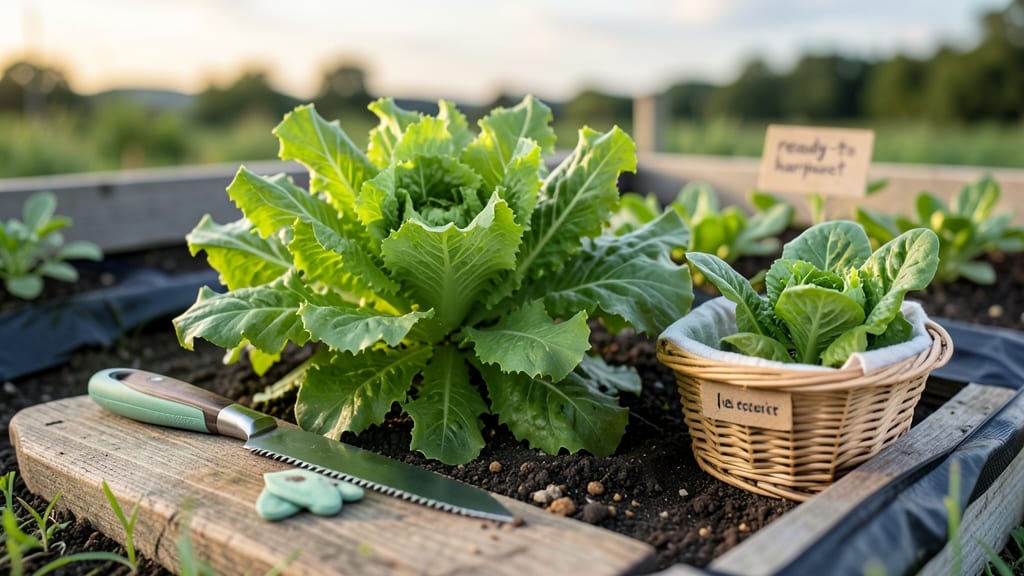
Picking leaf lettuce at the right time turns your garden into a crisp, flavorful salad source—wait too long, and you’ll end up with bitter, tough greens instead.
I’ve pulled leaves that were still too small and bitter, only to watch them bolt days later, and I’ve let them grow too big, turning woody and unappetizing. The difference between a perfect harvest and a wasted crop comes down to knowing exactly when those leaves are ready—before they’ve peaked.
You’ll want to look for leaves that are 4-6 inches long, deep green, and tender enough to snap easily when bent. But there’s more to it than just size: weather, season, and even the time of day play a role in getting that perfect harvest window.
Below, I’ll walk you through the visual cues, best practices for cutting without harming your plant, and how to adjust for spring versus fall growing conditions—so you can enjoy fresh, crisp 🥬 straight from your garden for weeks.


Visual and physical signs your leaf lettuce is ready to harvest
Knowing exactly when to pick leaf lettuce ensures you enjoy crisp, flavorful greens instead of bitter or tough leaves. Unlike head lettuce, leaf varieties like Buttercrunch or Oakleaf can be harvested continuously, but timing is everything.
The key lies in observing leaf size, color, and texture—each signals whether your plants are ready for the table.
One of the first signs your leaf lettuce is ready is when the outer leaves reach 4-6 inches long. These leaves should be fully expanded and deep green in color, not pale or yellowing.
If you notice the leaves curling at the edges or developing a bitter taste, you’ve waited too long. Harvesting at the right time prevents bolting (flowering) and ensures tender, sweet leaves.
Here’s what to look for to determine peak harvest readiness:
Many gardeners make the mistake of waiting until the entire plant looks mature, but leaf lettuce thrives when you harvest outer leaves first. This practice encourages continuous regrowth from the inner leaves, giving you a longer harvest window.
For varieties like Looseleaf, you can even pick individual leaves as they reach the right size, extending your harvest by 2-4 weeks.
Avoid harvesting when leaves are still tightly clustered or show signs of bolting (long stems with flower buds). Bolting often happens in hot weather or when days grow shorter, signaling the plant is shifting its energy toward reproduction.
If you notice yellowing leaves or a bitter taste, the lettuce has likely gone to seed, and it’s time to pull the plant and start fresh.
For spring-planted lettuce, aim to harvest in late spring to early summer when temperatures stay below 75°F. In fall, harvest before the first frost hits, ideally in September or October.
If your climate is mild, you might even get a second harvest in winter with proper protection like row covers.
One pro tip: Taste-test a leaf before committing to a full harvest. If it’s sweet and crisp, you’re golden.
If it’s bitter or tough, wait a few more days or adjust your watering and shading to improve texture. Consistent moisture and partial shade in hot afternoons are your best friends for keeping lettuce tender.
Remember, the goal is to balance harvest timing with plant health. By focusing on these visual and physical cues, you’ll enjoy a steady supply of fresh, flavorful leaf lettuce all season long. Happy harvesting!
Best practices for harvesting leaf lettuce without damaging future growth
Harvesting leaf lettuce the right way ensures you get tender, flavorful greens while keeping your plants productive. The key is to use gentle cutting techniques that encourage regrowth, rather than uprooting or over-harvesting.
By following a few simple steps, you can extend your harvest window by weeks or even months, especially with varieties like Buttercrunch or Loose Leaf that regrow well.
Start by focusing on the outer leaves first—these are the largest and most mature. This method preserves the inner leaves, allowing the plant to continue producing. Avoid cutting more than one-third of the plant at a time to prevent stress.
With proper care, a single leaf lettuce plant can yield multiple harvests throughout the growing season.
Step-by-Step Harvesting Guide
- 1 Wait for maturity: Harvest when leaves reach 4-6 inches in length and are deep green. Test tenderness by gently squeezing—if they yield slightly, they’re ready.
- 2 Use sharp scissors: Snip leaves 1/4 inch above the base using clean, sharp pruning shears or scissors. Avoid tearing leaves, which can damage the plant.
- 3 Prioritize outer leaves: Always harvest from the outer edges inward to protect the growing point. This encourages continuous regrowth and keeps the plant healthy.
- 4 Harvest in the morning: Pick leaves early in the day when they’re crisp and hydrated. This ensures the best flavor and texture, and it reduces stress on the plant.
- 5 Encourage regrowth: After harvesting, water the plant deeply and apply a light nitrogen fertilizer (like fish emulsion) to promote new growth. Keep the soil consistently moist.
After harvesting, store your lettuce properly to maintain freshness. Wrap leaves in a damp paper towel and place them in a perforated plastic bag in the fridge. This method keeps them crisp for up to 5-7 days.
If you notice the inner leaves turning bitter or tough, it’s a sign the plant is bolting—a common response to heat or stress.
To extend your harvest season, consider planting successive crops every 2-3 weeks in spring and fall. This staggered approach ensures a steady supply of fresh lettuce. For container growers, choose compact varieties like Little Gem or Salad Bowl, which thrive in pots and regrow well with proper care.
With these techniques, you’ll enjoy a longer harvest window and healthier plants. Happy harvesting—your garden will thank you with abundant, tender greens all season long! 🌿✂️