
Pests and Diseases
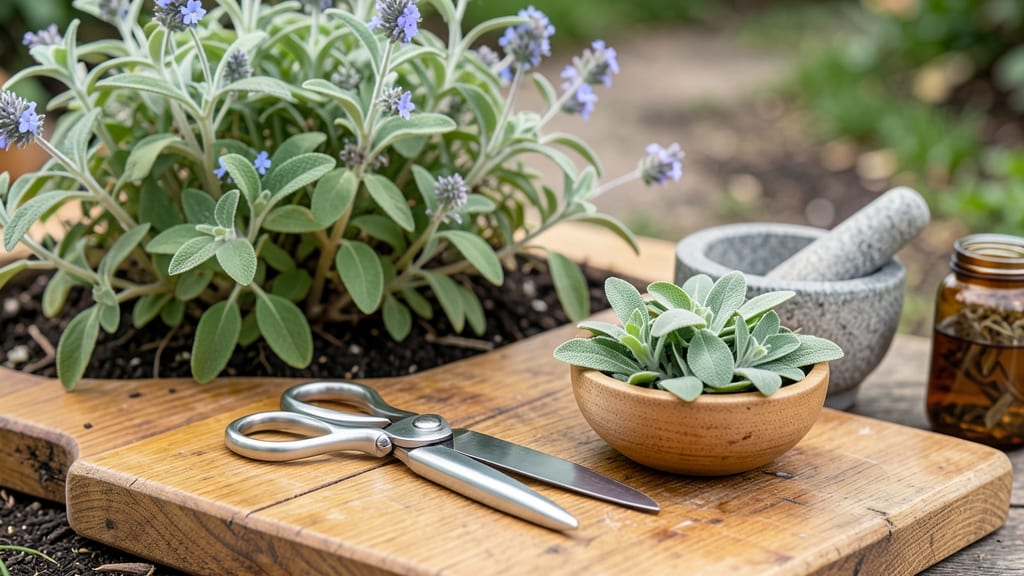
What is sage leaf used for?
It’s not just kitchen seasoning—it's a gardener's secret weapon against pests and a natural remedy tucked into your yard's medicine cabinet. 🌿 I've grown sage for years, and its versatility never ceases to amaze me: from repelling cabbage moths to soothing sore throats, this hardy perennial does it all.
The leaves double as a natural insecticide when crushed and sprinkled around vulnerable plants like tomatoes and peppers. Their piney aroma confuses pests while attracting beneficial insects. Plus, dried sage bundles hanging in your kitchen or garden shed act as a built-in air freshener that deters moths and spiders.
Harvest leaves anytime for cooking, but save the freshest for remedies—steep in hot water for a soothing tea or crush into a poultice for minor burns. The key is proper drying: bundle stems and hang upside down in a dark, dry place for 2-3 weeks until crisp.
Works equally well in containers or garden beds, thriving in poor soil as long as it gets full sun. My sage plants produce year-round with minimal care, making them the ultimate multi-purpose herb. Here's how to maximize its potential in your garden!
📚 In This Guide
- What you need
- Instructions
- Tips and common mistakes
- Wrapping up and next steps
What you need
- ● Fresh or dried sage leaves: For culinary uses: 1–2 tbsp fresh (or 1 tsp dried) per recipe (adjust to taste).
- ● For medicinal uses: 1–2 tbsp fresh (or 1 tsp dried) per tea/infusion.
- ○ Optional fresh sage sprigs: 3–5 sprigs for garnishing or infusing oils.
- ● Water: 1 cup (filtered or boiled for teas).
- ● Carrier oil (for topical use): ¼ cup (olive, coconut, or jojoba oil).
- ● Small saucepan or infuser: For steeping sage in liquids.
- ● Cheesecloth or fine strainer: To filter sage-infused liquids.
- ○ Mortar and pestle (optional): For crushing dried sage into a fine powder.
- ○ Food processor (optional): For making sage-infused salt or seasoning blends.
- ○ Glass jar (optional): Small (8 oz) for storing dried sage or infused oils.
- ● Basic kitchen tools (knife, cutting board, measuring spoons).
- ● Knowledge of allergies (avoid sage if pregnant or on medications like sedatives).
- ● Patience for drying sage (if using fresh leaves).
How to harvest and use fresh sage leaves
Here's how to get the most out of your homegrown sage—both in the kitchen and beyond.
🌿 Step 1: Identify and Harvest Mature Leaves
Sage leaves are ready for harvest when they've reached about 2-3 inches long and have fully developed their signature gray-green color. I always start with the lower leaves first—they're older and more flavorful. Use clean, sharp scissors or pruning shears to snip just above a leaf node (where the leaf meets the stem) to encourage new growth.
Harvest in the morning after the dew has dried but before the sun gets too intense. This ensures the oils in the leaves are at their peak potency. Don't take more than one-third of the plant at a time—sage is slow-growing, and you want to leave enough foliage for the plant to recover and continue producing.
🌱 Step 2: Prepare Leaves for Culinary Use
For cooking, I like to use fresh sage leaves straight from the plant. Simply rinse them under cool water to remove any dirt or debris, then pat them dry gently with a clean towel or paper towel. You can tear the leaves by hand for a rustic presentation or chop them finely for sauces and dressings.
If you're making sage butter or infusing oil, use about 10-12 fresh leaves per ½ cup of butter or oil. Gently warm the butter or oil over low heat (never boiling) and add the leaves, letting them steep for 5-10 minutes before straining. This method preserves the leaf's aromatic compounds beautifully.
☀️ Step 3: Preserve Leaves for Long-Term Use
To dry sage leaves for later use, tie small bundles of stems together with twine and hang them upside down in a dry, well-ventilated area out of direct sunlight. It takes about 2-3 weeks for the leaves to dry completely—they're ready when they crumble easily between your fingers. Store the dried leaves in an airtight container away from light.
For freezing, lay the leaves flat on a baking sheet and place them in the freezer for 1-2 hours until firm. Then transfer them to a freezer bag or container. Frozen sage retains its flavor for up to 6 months, making it perfect for winter cooking.
💧 Step 4: Use Sage Leaves Medicinally
Sage has been used for centuries to support digestion and respiratory health. For a simple tea, steep 1-2 teaspoons of fresh or dried leaves in 1 cup of hot water for 5-10 minutes. Strain and drink up to 3 times daily—just don't exceed 3 cups per day unless under medical supervision.
For sore throats, I make a sage gargle by steeping 3 tablespoons of leaves in 2 cups of boiling water for 10 minutes, then straining. Let it cool to room temperature before use. Always consult a healthcare provider before using herbal remedies, especially if you're pregnant, nursing, or on medication.
✂️ Step 5: Prune for Healthy Growth
After harvesting, give your sage plant a light pruning to encourage bushier growth. Cut back any leggy stems to just above a set of leaves, and remove any yellow or damaged foliage. This keeps the plant compact and prevents it from becoming woody.
Sage thrives with 6-8 hours of sunlight daily and well-draining soil. Water only when the top inch of soil feels dry—overwatering is the fastest way to kill this drought-tolerant herb. With proper care, your sage plant will keep producing flavorful leaves for years.
Tips & tricks for maximizing your fresh sage harvest
These little tricks will help you get the most flavorful, versatile results from your homegrown sage—whether you're cooking or healing.
Timing is Everything: The 5-10 minute steeping time for sage butter or oil is crucial—don't rush it! Warm the butter or oil over low heat (just below simmer) and keep the heat gentle. If you see tiny bubbles forming, you've gone too far. The leaves need this time to fully infuse their aromatic oils without turning bitter. I like to set a timer and stir occasionally to distribute the flavor evenly.
Harvesting Secrets: When you're harvesting those 2-3 inch leaves in Step 1, look for leaves that are fully mature but not yet woody. The older lower leaves pack the most flavor, but don't strip the whole plant—leave at least two-thirds of the foliage to keep your sage thriving. I've found that harvesting in the morning gives the freshest flavor, as the oils are most concentrated after the dew dries but before the midday heat.
Preservation Pro Tips: For drying sage, I've learned that a dark, well-ventilated area works better than direct sunlight—it prevents the leaves from turning brittle too quickly. When checking for dryness after 2-3 weeks, rub a leaf between your fingers: if it crumbles easily, it's ready. For freezing, don't skip the 1-2 hour pre-freezing step on the baking sheet—it prevents the leaves from clumping together into a solid block that's hard to separate later.
Medicinal Measure: When making sage tea or gargle, precision matters. For the tea, stick to 1-2 teaspoons per cup—any more can be overwhelming. For the gargle, the 3 tablespoons in 2 cups creates the right potency without being too strong. Always let your preparations cool completely before consuming—hot sage can irritate delicate throat tissues, even when used medicinally.
Pro Tips for What Is Sage Leaf Used For
- These little tricks will help you get the most flavorful, versatile results from your homegrown sage—whether you're cooking or healing.
- Timing is Everything: The 5-10 minute steeping time for sage butter or oil is crucial—don't rush it!
- Harvesting Secrets: When you're harvesting those 2-3 inch leaves in Step 1, look for leaves that are fully mature but not yet woody.
Frequently asked questions
Got questions about sage leaf? You’re not alone!
Whether you’re curious about its uses, storage, or safety, we’ve got answers to the most common queries. Dive in to clear up any confusion before you start cooking or healing with this versatile herb.
Can I use dried sage instead of fresh in recipes?
Dried sage is more concentrated, so use one-third the amount of fresh leaves. For example, if a recipe calls for 1 tbsp fresh sage, use 1 tsp dried. Crush the dried leaves between your palms before adding to release the flavor. Pro tip: Toast dried sage in a dry pan for 30 seconds to enhance its aroma!
How long does fresh sage last, and how should I store it?
Fresh sage stays vibrant for 5–7 days in the fridge, wrapped in a damp paper towel and sealed in a plastic bag. For longer storage (up to 6 months), dry it by hanging bundles upside down in a warm, dark place, then strip the leaves once fully dry. Freezing is another option—blanch leaves for 30 seconds, then freeze in ice cube trays with water or oil for easy use.
Is sage safe for everyone, or are there side effects?
Sage is generally safe for most people when used in food or moderate medicinal doses. However, avoid large amounts (especially essential oil) if you’re pregnant, breastfeeding, or have epilepsy, as it may cause uterine contractions or seizures. Always consult a doctor if you’re on medications, like blood thinners, since sage can interact with them. When in doubt, start small!
What’s the best way to clean sage leaves before cooking?
Rinse sage leaves briefly under cool water to remove dirt, then pat them dry with a clean towel or paper towel. Avoid soaking them, as excess moisture can dilute their flavor. For tougher debris, gently rub the leaves between your fingers under running water. Pro tip: If using dried sage, skip rinsing—it’s already clean!
Can sage repel pests like mosquitoes or moths?
Yes! Sage’s strong scent naturally deters pests. Hang dried bundles in closets or cupboards to repel moths, or place fresh leaves in drawers to keep clothes smelling fresh. For outdoor use, crush fresh leaves and scatter them around patios or near windows to ward off mosquitoes. Bonus: It also keeps ants away from your kitchen!
Wrapping up and next steps
Sage leaf is truly a versatile powerhouse—whether you're whipping up a savory dish, soothing a sore throat, or boosting your garden’s health. From its culinary magic in cooking to its medicinal benefits for healing and pest control, this humble herb proves its worth time and again. 🌿✨
Now that you’re armed with all the ways to use sage leaf, why not try it out? Experiment in the kitchen, brew a soothing tea, or even grow your own for a fresh, homegrown supply. The possibilities are endless—happy exploring!