
Trees
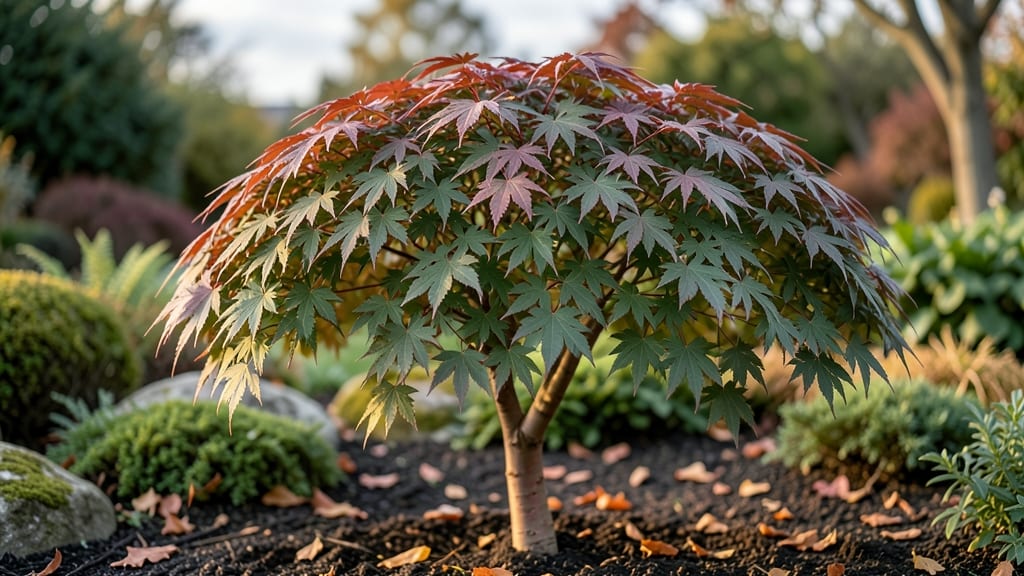
Growing a weeping laceleaf Japanese maple transforms any space into a living work of art. 🌿 Its delicate, crimson-tinged foliage cascades like lace, creating year-round elegance—even in containers.
What makes this tree special isn’t just its beauty, but its adaptability to urban gardens, patios, and small yards where traditional trees can’t thrive.
The secret to its success lies in three key factors: bright, indirect light (morning sun with afternoon shade), well-draining soil that mimics its native woodland conditions, and consistent moisture without soggy roots.
Most gardeners overlook the soil prep—amending with organic matter like compost makes all the difference in keeping those vibrant leaves healthy through seasons.
By winter, you’ll love how its branches arch gracefully, even under snow, while spring brings fresh foliage that outshines many spring bloomers. The weeping habit stays lush with minimal pruning—just shape occasionally to maintain its natural elegance. This isn’t just a tree; it’s a statement piece that grows with you.
Whether you’re a beginner or a seasoned gardener, this maple adapts beautifully to containers, making it perfect for balconies, courtyards, or as a focal point in garden beds. Let’s get yours thriving—your outdoor space will never look the same.
📚 In This Guide
- What you need
- Instructions
- Tips and common mistakes
- Wrapping up and next steps
What you need
Ready to bring the ethereal beauty of a Weeping Laceleaf Japanese Maple into your container garden? Here’s everything you’ll need to get started—whether you’re a seasoned gardener or a newbie with green thumbs! 🌿✨
🌱 Essential Materials
- Weeping Laceleaf Japanese Maple (Acer palmatum 'Bloodlace' or similar cultivar) – A 3-5 gallon container-grown specimen (or bare-root if planting in early spring).
- Container – A 12-18 inch diameter pot with drainage holes (terracotta, ceramic, or high-quality plastic). Pro tip: Ensure it’s at least 12 inches deep for root health! 🔥
- Well-draining potting mix – A blend of 50% high-quality organic potting soil, 30% perlite or pumice, and 20% compost (avoid garden soil—it compacts!).
- Slow-release fertilizer – A balanced 10-10-10 or 20-20-20 granular fertilizer (follow label instructions for dosage).
- Mulch – Fine bark or pine needles (1-2 inches thick) to retain moisture and regulate temperature.
🔧 Tools & Prerequisites
- Garden gloves – To protect your hands from thorns and soil.
- Trowel or small shovel – For planting and amending soil.
- Watering can or hose with gentle spray nozzle – Japanese maples hate soggy roots!
- Pruning shears – Sharp, sterilized shears (for shaping or removing dead branches).
- Support stakes (optional) – Bamboo or metal stakes (3-4 feet tall) if your maple leans heavily in windy areas.
- Container saucer or tray (optional) – To catch excess water and prevent messes.
- Shade cloth (optional) – 30-50% shade cloth for the first few weeks if planting in intense afternoon sun.
🌡️ Environmental Prerequisites
- Sunlight – Partial shade (4-6 hours of dappled sun daily). Avoid harsh afternoon sun in hot climates.
- Temperature – Hardy to USDA Zones 5-8. Protect from winter winds and summer heatwaves with mulch or microclimate adjustments.
- Water source – Easy access to soft, rainwater or filtered water (tap water with high chlorine can stress the tree).
Step-by-step guide to cultivating weeping laceleaf Japanese maple in containers
Here's how to nurture this stunning tree's delicate beauty while keeping it thriving in pots.
🌱 Step 1: Select the Right Container and Soil Mix
Choose a 12-18 inch diameter container with drainage holes—these trees hate soggy roots. I recommend unglazed ceramic or resin pots because they regulate moisture better than plastic. The container should be at least 18 inches deep to accommodate the tree's extensive root system as it matures.
Use a well-draining, acidic soil mix (pH 5.5-6.5). I blend 50% high-quality potting soil, 30% organic compost, and 20% perlite or pumice for aeration. This combination prevents compaction while providing the moisture-retentive environment laceleaf maples crave. Fill the pot to 2 inches below the rim to allow room for watering.
🪴 Step 2: Plant with Proper Spacing and Staking
When planting your 4-5 gallon container-grown laceleaf maple, position it so the root flare (where roots meet trunk) sits 1 inch above the soil line. This prevents stem rot while allowing roots to expand naturally. Gently loosen the root ball if it appears compacted, then place the tree in the center of the pot.
Add soil around the roots, pressing lightly to eliminate air pockets but avoiding compaction. Install 2-3 bamboo stakes around the perimeter and loosely tie the trunk with soft tree ties—just enough to prevent wind rock without constricting growth. Water deeply until it drains from the bottom holes, then let excess moisture escape completely.
☀️ Step 3: Position for Optimal Light and Protection
Laceleaf maples thrive in morning sun with afternoon shade, especially in hot climates. Place your container where it receives 4-6 hours of direct sunlight daily, then move it to a shaded spot during peak afternoon heat. In cooler regions, they tolerate full sun, but leaves may scorch if suddenly exposed after indoor wintering.
Protect from winter winds by placing against a wall or using a windbreak. In USDA zones 6 and below, move containers to an unheated garage or wrap the pot in burlap during extreme cold snaps. You'll notice new spring growth emerge more vigorously when winter stress is minimized.
💧 Step 4: Water and Fertilize for Year-Round Health
Water when the top 2 inches of soil feel dry—typically every 2-3 days in summer and weekly in winter. I use rainwater or distilled water to avoid mineral buildup that can harm roots. Always water at the base, never overhead, to prevent fungal diseases that spot delicate laceleaf foliage.
Feed with a balanced, slow-release fertilizer (10-10-10) in early spring and mid-summer. For organic options, use fish emulsion every 6 weeks during growing season. Avoid fertilizing in fall and winter when the tree enters dormancy—this prevents weak new growth that won't survive cold temperatures.
✂️ Step 5: Prune and Maintain Yearly Structure
Prune in late winter or early spring before new growth begins. Remove dead, crossing, or rubbing branches first, then thin out 10-15% of the canopy to improve air circulation. For laceleaf varieties, avoid heavy pruning—their weeping habit comes from natural growth patterns.
Shape the tree by lightly trimming leggy branches to encourage bushier growth. Use clean, sharp pruners and make cuts just above a leaf node. After pruning, apply wound dressing to larger cuts to prevent disease entry. You'll see fresh, vibrant growth emerge within 4-6 weeks of proper pruning timing.
Tips & tricks for perfect weeping laceleaf Japanese maple cultivation
These pro tips will help you nurture your laceleaf maple into a stunning, long-lived container specimen that rivals garden giants.
Container Selection: While the instructions specify 12-18 inch diameter pots, consider upgrading to 20-24 inches as your tree matures—this gives roots room to expand without becoming root-bound. I've seen laceleaf maples thrive in oversized containers where they can develop more intricate branch structures. For windy locations, choose wider containers (18+ inches) to provide better stability and prevent tipping.
Soil Mix Upgrade: The recommended 50-30-20 soil blend is excellent, but for even better drainage, I add 10% coarse sand or horticultural grit to the perlite portion. This prevents compaction in the lower pot layers where roots often struggle. Test your mix by squeezing a handful—it should crumble easily when dry but hold moisture when damp. The laceleaf's delicate roots appreciate this balance.
Light Positioning Strategy: When establishing your 4-6 hours of morning sun, place the container on a rolling cart or use a temporary stand—this lets you adjust position as the sun moves throughout the day. In summer, I rotate my containers weekly to ensure even sunlight exposure on all branches. Watch for yellowing leaves on one side as a sign your tree needs repositioning.
Winter Care Secret: For zones 6 and below, I go beyond burlap wrapping by adding a 2-inch layer of straw mulch around the pot's base. This creates an insulating barrier that prevents rapid temperature fluctuations at the soil level. Also, avoid watering during winter dormancy unless the soil is completely dry—overly wet soil can lead to root rot when temperatures fluctuate.
Pro Tips for Weeping Laceleaf Japanese Maple
- These pro tips will help you nurture your laceleaf maple into a stunning, long-lived container specimen that rivals g...
- Container Selection: While the instructions specify 12-18 inch diameter pots, consider upgrading to 20-24 inches as y...
- Soil Mix Upgrade: The recommended 50-30-20 soil blend is excellent, but for even better drainage, I add 10% coarse sa...
Frequently asked questions
Got questions about growing and caring for your weeping laceleaf Japanese maple? You’re not alone! Here are some of the most common queries—plus expert answers to keep your tree thriving in containers.
How often should I water my weeping laceleaf Japanese maple in a container?
The soil should stay consistently moist but never soggy. In hot weather, water every 2–3 days, while cooler months may only require weekly checks. Pro tip: Stick your finger 1–2 inches deep—if it’s dry, it’s time to water. Overwatering is the #1 killer of container maples!
Why are the edges of my laceleaf maple leaves turning brown?
Brown edges usually signal underwatering, scorching, or salt buildup from tap water. Try these fixes:
- Water deeply and slowly to avoid runoff.
- Use rainwater or distilled water to reduce mineral buildup.
- Move the pot to dappled shade if exposed to harsh afternoon sun.
If the damage persists, your tree may need a fertilizer adjustment (too much salt can burn roots).
Do weeping laceleaf Japanese maples need winter protection in containers?
Container-grown maples are highly vulnerable to freeze-thaw cycles. Before the first frost:
In extreme cold (<10°F), consider insulating the pot with straw or foam. Prune late winter or early spring (just before buds swell) for best results. Avoid heavy pruning in summer—it stresses the tree and can lead to sunscald. For shaping, use clean, sharp shears and cut just above a bud. Never prune more than 25% of the foliage at once! If your local nursery is out of stock, consider these container-friendly alternatives with similar grace:
All three thrive in containers and offer year-round interest!
Can I prune my weeping laceleaf Japanese maple year-round?
What’s the best alternative if I can’t find a weeping laceleaf Japanese maple?
Wrapping up and next steps
The Weeping Laceleaf Japanese Maple is a stunning choice for adding timeless beauty and texture to your container garden year-round. Its delicate foliage, graceful form, and adaptability make it perfect for both seasoned gardeners and beginners—just remember to prioritize well-draining soil, proper sunlight, and consistent (but not soggy) moisture.
Whether you’re a plant enthusiast or simply love nature’s artistry, this tree promises endless charm with minimal fuss.
Ready to transform your space? Start small—pick a pot, gather your supplies, and plant with confidence! 🌿 For extra inspiration, browse local nurseries or online forums to discover creative styling ideas that suit your aesthetic.