
Orchid Care
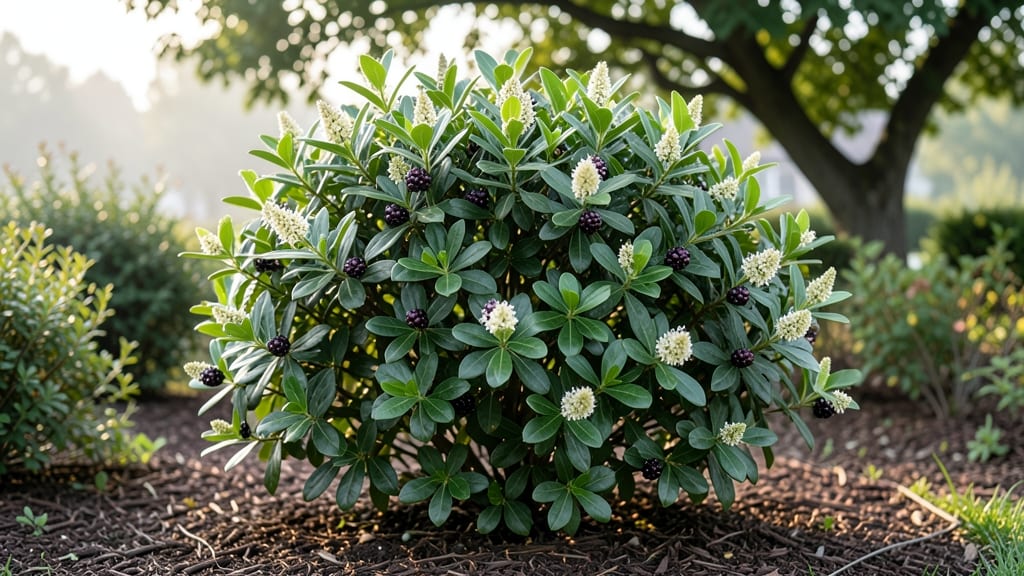
My waxleaf privet care thrives when pruned right—it’s the secret to that lush, impenetrable hedge I’ve grown for years. ✂️ The key isn’t just cutting branches; it’s understanding when and how to shape it for dense, healthy growth that lasts all year.
Start with the basics: well-draining soil, morning sun, and regular watering (but never soggy roots). This evergreen stays vibrant in zones 6-9, and with the right pruning, it’ll fill in gaps faster than you can say “hedge perfection.”
The magic happens in three cuts: spring shaping, summer thinning, and winter cleanup.
You’ll end up with a thick, glossy-green wall that repels pests, blocks noise, and stays neat with minimal effort. Even brown spots or leggy growth fix easily—just trim back to fresh green wood. The best part? It handles heavy pruning like a champ, bouncing back with new growth in weeks.
Perfect for privacy screens, foundation plantings, or even topiary shapes. Let’s get those shears sharp and turn your privet into the star of the landscape!
📚 In This Guide
- What you need
- Instructions
- Tips and common mistakes
- Wrapping up and next steps
What you need
- ● Pruning shears – Bypass-style (sharp, clean blades, 6-8" length) for precise cuts. Quantity: 1 pair.
- ● Loppers – For thicker branches (1-2" diameter). Quantity: 1 pair (longer handles for reach).
- ● Hand pruners – Anvil-style for small stems (if bypass isn’t available). Quantity: 1 pair.
- ○ Gloves – Heavy-duty, cut-resistant (nitrile or leather). Quantity: 1 pair (optional but recommended—thorns!).
- ● Disinfectant – 70% isopropyl alcohol or rubbing alcohol to sterilize tools between cuts. Quantity: Small bottle (4-8 oz).
- ○ Pruning sealant – Optional but helpful for large cuts (e.g., Tanglefoot Pruning Seal). Quantity: Small tube.
- ● Trash bags – Heavy-duty (20-gallon) for debris. Quantity: 1-2 bags.
- ● Ladder – Sturdy, extendable (if shrub exceeds 6 ft). Quantity: 1 (safety first!).
- ● Sharpener – Stone or file to maintain tool sharpness. Quantity: 1.
- ● Safety glasses – Protect eyes from debris. Quantity: 1 pair.
- ● Hose or water spray – To clean tools post-pruning. Quantity: N/A (use what you have!).
- ● Notebook & pen – Track pruning dates and notes on growth patterns.
Instructions for year-round waxleaf privet pruning
Here's how to keep your waxleaf privet lush and full—no matter the season.
✂️ Step 1: Spring Cleanup and Structural Pruning
Start pruning in early spring before new growth begins, around March or April depending on your climate. This is when your privet is most resilient and can handle heavier cuts. Remove any dead, diseased, or crossing branches first—these are the weak points that can spread problems through the plant. I like to use clean, sharp bypass pruners for this step to make precise cuts without tearing the bark.
Next, shape the plant by cutting back any branches that grew too long over winter. Aim to maintain a rounded, bushy silhouette—this encourages dense growth and prevents leggy stems. Never remove more than one-third of the plant's total volume in a single season, or you risk stressing the waxleaf privet. Look for lateral buds just below where you want the branch to end; these will sprout new growth in the right direction.
☀️ Step 2: Mid-Season Maintenance for Density
In late spring or early summer, give your waxleaf privet a second pruning to maintain its shape and encourage fullness. This is where you'll see the real transformation—your plant should now have strong, green foliage with no bare spots. Focus on thinning out the center of the plant first. Remove 20-30% of the oldest, thickest branches from the interior to improve airflow and sunlight penetration.
Watch for water sprouts—those fast-growing, vertical shoots that pop up everywhere. These are a sign your privet is trying to grow too tall and sparse. Snip them back to just above a leaf node where new growth can emerge. If you notice any branches growing at odd angles or rubbing against others, remove them now to prevent future damage. This is also the time to lightly trim the outer edges to keep the shape neat and tidy.
⏰ Step 3: Fall Pruning for Winter Prep
By late fall, your waxleaf privet will have slowed its growth, but it's not too late for a light pruning session. This final trim helps prepare the plant for winter by removing any weak or damaged growth that could be vulnerable to frost or disease. Focus on light shaping—just enough to clean up the plant without encouraging new, tender growth that wouldn't survive cold temperatures.
Remove any dead leaves or twigs that have accumulated over the summer. These can harbor pests or diseases over winter. If your privet has any suckers—those aggressive shoots growing from the base—pull or cut them out now. These can drain energy from your main plant and create a messy look. Avoid heavy pruning in fall, as it can stimulate new growth that won't harden off before winter. Instead, just neaten the edges and remove any obvious eyesores.
🌿 Step 4: Winter Inspection and Light Pruning
Winter is the quietest time for waxleaf privet care, but it's still worth doing a light inspection every few weeks. If you notice brown or dead branches after a hard frost, remove them as soon as possible to prevent them from spreading disease. Use sterilized pruners to make clean cuts just outside the branch collar—the swollen area where the branch meets the trunk.
This is also the time to plan your spring pruning. Take a step back and visualize how you want your privet to look in its prime. If it's looking a bit leggy or sparse, you'll know to focus on thinning and shaping in the spring. Avoid heavy pruning in winter, as the plant is dormant and less able to recover. Instead, just keep things tidy and remove any obvious deadwood.
Tips & tricks for perfect waxleaf privet pruning
Mastering the art of waxleaf privet pruning takes patience—but these insider tricks will help you achieve that lush, bushy look every gardener dreams of.
Timing is Everything: The early spring pruning window (March or April) is non-negotiable for waxleaf privet. This timing aligns with the plant's natural growth cycle, allowing it to recover quickly. I've learned that pruning too early can expose tender buds to late frosts, while waiting too long risks stressing the plant before its active growing season begins. If you're in a warmer climate, don't wait past early April—your privet needs that head start.
The One-Third Rule: When shaping your privet in spring, never remove more than one-third of the plant's total volume in a single season. This guideline prevents shock and maintains the plant's vigor. I once cut back too aggressively and nearly lost a prized specimen—now I mark branches with colorful tape before cutting to visualize the one-third limit. For dense growth, focus on removing the oldest, thickest branches from the center first.
Visual Cues Over Guesswork: Instead of measuring branches, train yourself to recognize the ideal pruning points. Look for lateral buds just below where you want the branch to end—these are your growth indicators. In mid-season maintenance, watch for water sprouts (those fast-growing vertical shoots) and trim them back to just above a leaf node. This simple technique transforms leggy growth into dense foliage within weeks. The key is to make cuts at a slight angle just above an outward-facing bud.
Seasonal Transition Tips: As you move from spring to fall pruning, shift your focus from structural shaping to light maintenance. In late fall, avoid heavy cuts that might stimulate tender new growth before winter. Instead, concentrate on removing deadwood and neatening edges. I've found that sterilizing pruners between cuts in fall prevents disease spread—especially important when dealing with potential frost damage.
Pro Tips for Waxleaf Privet Care
- Mastering the art of waxleaf privet pruning takes patience—but these insider tricks will help you achieve that lush, ...
- Timing is Everything: The early spring pruning window (March or April) is non-negotiable for waxleaf privet. This tim...
- The One-Third Rule: When shaping your privet in spring, never remove more than one-third of the plant's total volume ...
Frequently asked questions
Got questions about keeping your waxleaf privet thriving? Here are answers to the most common concerns—from pruning to pests and beyond!
When is the best time to prune waxleaf privet for maximum bushiness?
Prune Ligustrum japonicum in late winter or early spring (just before new growth starts) to encourage dense, fuller foliage. You can also do a light trim in summer after flowering to maintain shape—but avoid heavy pruning then, as it may stress the plant. For shaping, spring is key!
How much can I cut back waxleaf privet without harming it?
Waxleaf privet is highly resilient—you can safely remove up to 1/3 of its height in a single pruning. For overgrown bushes, cut back to a strong set of buds (about 1/4 inch above them) to promote new growth. Avoid "topping" (cutting straight across the top), as this can leave ugly stubs.
What pests or diseases should I watch for in waxleaf privet?
Common issues include:
- Spider mites: Look for webbing on undersides of leaves—treat with a strong spray of water or insecticidal soap.
- Scale insects: Sticky residue on leaves? Scrape off visible pests and apply horticultural oil.
- Powdery mildew: White fuzzy coating? Improve airflow and spray with neem oil.
Keep your privet healthy and well-watered to deter most problems!
Can waxleaf privet grow in full shade? Will it stay dense?
While it tolerates partial shade, waxleaf privet thrives in full sun to partial shade (4–6 hours of sunlight daily). In deep shade, growth may become sparse and leggy. If shading is unavoidable, prune regularly to encourage bushiness—but expect slightly slower growth.
How do I revive a waxleaf privet that’s looking leggy or sparse?
Leggy privet often signals over-pruning or poor light. To revive it:
- Trim back overly long branches to just above a leaf node.
- Move to a sunnier spot (if possible) for 2–3 months.
- Fertilize with a balanced, slow-release fertilizer in spring.
- Water deeply but avoid soggy soil.
With patience, it’ll bounce back—waxleaf privet is tougher than it looks!
Wrapping up and next steps
Caring for your waxleaf privet doesn’t have to be complicated—just follow these simple steps to keep it lush and thriving year-round! 🌿 With the right pruning techniques, you’ll enjoy a dense, bushy shrub that adds beauty to your garden for decades.
Whether you’re a beginner or a seasoned gardener, these tips will help you maintain a healthy, vibrant plant with minimal effort.
Now that you’re armed with the knowledge, grab those shears and give your waxleaf privet the love it deserves! Start with a quick trim this season and watch it flourish. Happy pruning! 🌟