
Orchid Care
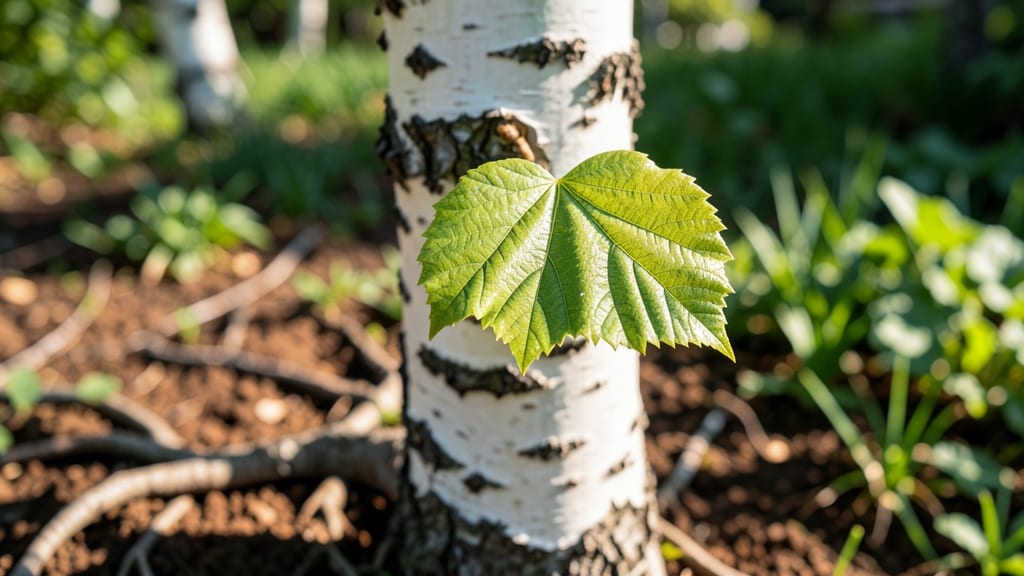
The water birch leaf’s bold coppery hue turns any garden into a standout feature 🌳 — and it’s easier to grow than you might think.
Picture this: a tree that thrives in soggy spots where most plants wilt, its leaves glowing like autumn’s first blush all summer long. That’s the magic of Betula nigra, a hardy stunner that’s perfect for ponds, bogs, or shady corners.
But here’s the catch: its striking foliage isn’t just about looks. This tree’s resilience—handling wet soil, partial shade, and even urban pollution—makes it a game-changer for low-maintenance landscapes in zones 3-7.
In this guide, I’ll show you how to spot a real water birch leaf (no confusing it with other birches), the best way to plant it for maximum drama, and simple care tips to keep those fiery leaves vibrant for years.


How to identify water birch leaf: key features and varieties
The water birch leaf (Betula nigra) is one of the most distinctive in the birch family, thanks to its coppery-red foliage and peeling bark. Unlike other birches, its leaves turn a stunning golden-yellow in autumn, making it a standout in gardens.
I’ve learned to spot it by focusing on three key features: leaf shape, bark texture, and seasonal color shifts.
First, the leaf shape of water birch is triangular with serrated edges, resembling a double-toothed comb. Each leaf is about 2-4 inches long, with a pointed tip and a slightly asymmetrical base.
This sets it apart from paper birch (Betula papyrifera), which has smoother, more rounded edges.
Next, the bark texture is unmistakable. Water birch bark peels in horizontal strips of coppery-brown, almost like a corkscrew pattern. Younger trees have smoother bark, but as they mature, the peeling becomes more pronounced.
This is a dead giveaway when comparing it to river birch (Betula nigra var. heritage), which has more exfoliating, papery layers.
Seasonal color shifts are another clue. In spring, new leaves emerge a bright coppery-red, gradually darkening to deep green by summer. By fall, they blaze into golden-yellow or orange, a stark contrast to the yellow-green of paper birch leaves.
This vibrant shift is why gardeners love it for autumn interest.
| Feature | Water Birch (Betula nigra) | Comparison: Paper Birch |
|---|---|---|
| Leaf Shape | Triangular, serrated edges | Oval, smoother edges |
| Leaf Color (Spring) | Coppery-red | Green |
| Bark Texture | Peeling, coppery-brown strips | White, papery layers |
| Fall Foliage | Golden-yellow/orange | Yellow-green |
| Growth Habitat | Moist, acidic soil | Well-drained, sandy soil |
Two popular varieties stand out in gardens: 'Copper Queen' and 'Heritage'. 'Copper Queen' boasts brighter coppery foliage year-round, while 'Heritage' has a more exfoliating bark pattern and tolerates drier conditions. I’ve found 'Copper Queen' thrives near ponds, while 'Heritage' does well in landscape borders.
To confirm your identification, check the leaf underside. Water birch leaves have a pale, downy texture on the underside, unlike the smooth underside of paper birch.
This subtle detail can be the difference between a water birch and a river birch, which has a more rough, hairy underside.
If you’re still unsure, observe the branch structure. Water birch branches grow upright and slightly drooping, while paper birch branches spread more horizontally. This growth habit is a final clue to nail down your identification.
For gardeners, the water birch leaf is a game-changer in wetland gardens or near water features. Its adaptability to moist soil and bold foliage make it a top pick for adding drama to shady or boggy areas.
Once you’ve mastered these identification tips, you’ll spot water birch anywhere—even in the wild!
Pro tip: Snap a photo of the leaf and bark together for a side-by-side comparison. This visual aid helps when consulting field guides or asking fellow gardeners for confirmation. Happy identifying!
Step-by-step guide to growing water birch from seeds or saplings
The water birch (Betula nigra) is a stunning ornamental tree with coppery foliage that thrives in moist conditions. Whether you're starting from seeds or nursery saplings, following the right steps ensures healthy growth.
This guide covers everything from soil prep to spacing for your landscape or water feature.
Water birch is adaptable but prefers moist, acidic soil with good drainage. It handles partial shade to full sun, making it perfect for bog gardens, pond edges, or shady spots.
For best results, plant in early spring or fall when temperatures are mild. Let’s dive into the best methods to grow this resilient beauty.
- 1 Choose your planting method: Start with nursery saplings (faster growth) or seeds (slower but rewarding). Saplings are ideal for established landscapes, while seeds work well for propagation projects.
- 2 Prepare the soil: Test for acidity (pH 5.0-6.5) and amend with peat moss or compost if needed. Water birch hates soggy roots, so ensure well-draining soil even in wet areas.
- 3 Plant saplings: Dig a hole twice as wide as the root ball and same depth. Place the sapling, backfill with native soil, and water deeply. Stake if needed for young trees in windy areas.
- 4 Sow seeds: Stratify seeds for 30-60 days in moist sand at 40°F (4°C) to mimic winter. Plant ¼ inch deep in spring, spacing 6-8 inches apart in a nursery bed for later transplanting.
- 5 Space for mature growth: Water birch reaches 15-30 feet tall, so space saplings 15-20 feet apart in landscapes. For water features, plant closer (10 feet) to create a dense, reflective edge.
- 6 Mulch and water: Apply 3 inches of mulch (wood chips or pine straw) to retain moisture. Water deeply once a week for the first year, keeping soil consistently moist but not waterlogged.
- 7 Monitor sunlight: Young trees need partial shade to prevent leaf scorch. Mature water birch tolerates full sun but performs best with morning sun and afternoon shade in hot climates.
Once established, water birch is drought-tolerant but still benefits from regular watering during dry spells. Its peeling bark and coppery leaves add year-round interest, making it a standout in any garden. For fastest results, opt for nursery-grown saplings, but growing from seed is a rewarding project for patient gardeners.
Pro tip: Group water birch with hostas, ferns, or astilbes to create a lush, moisture-loving garden that thrives in shady spots. With the right care, your water birch will become a stunning focal point for decades.