
Neem Oil
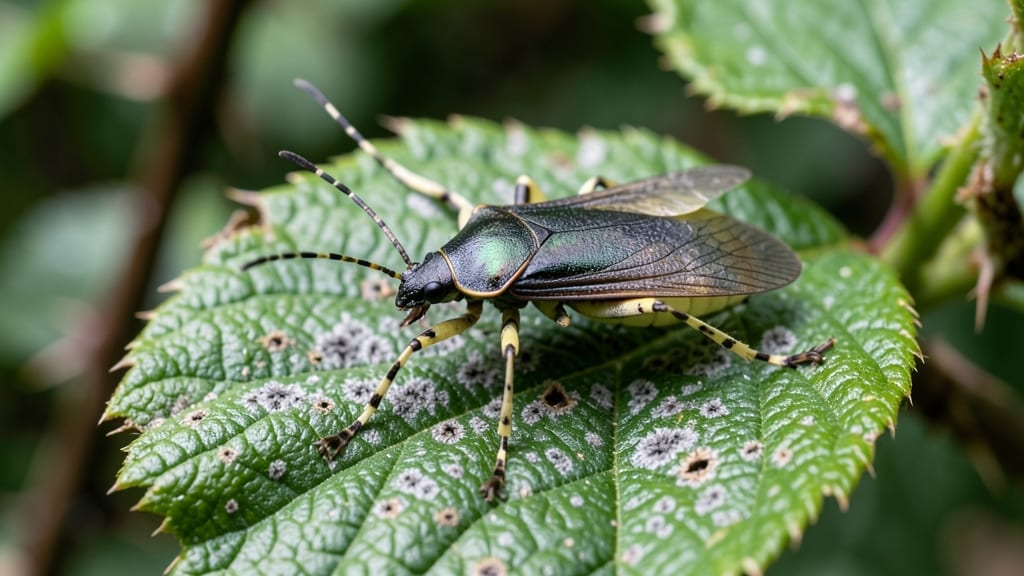
The leaf vespine bug has turned your citrus trees into a warzone—yellowing leaves, sticky sap, and tiny black pests clinging to the undersides. That’s the culprit, and without fast action, it’ll defoliate your plants in weeks.
The good news? Copper spray stops fungal blight and deters these pests organically, without harsh chemicals that harm beneficial insects.
These bugs thrive in dry, hot conditions, feasting on plant sap and leaving behind a trail of damage that looks like fungal spots. The key is early intervention: copper spray creates a protective barrier while disrupting their feeding cycle.
For severe infestations, combine it with a strong blast of water to knock bugs off foliage—just be gentle to avoid damaging tender leaves.
After treatment, monitor for new activity daily. Healthy plants bounce back faster, so water deeply and fertilize lightly with compost tea to boost their resilience. Copper spray works best on dry leaves, so apply it in the evening when bugs are active but before rain washes it away.
Prevention is simpler than cleanup: keep your garden mulched, prune for airflow, and treat at the first sign of sticky residue. This method works on citrus, roses, and even shade trees—just adjust the spray concentration for delicate plants. Your trees will thank you with fresh, pest-free growth in weeks.
Root Causes Of Leaf Damage
Understanding why these tiny pests target your plants—and how to stop them—starts with recognizing their motivations. The vespine leaf bug (and its fungal blight allies) don’t just appear out of nowhere. Their presence is often a chain reaction of environmental and plant health factors.
Below, we break down the three primary triggers that turn your garden into an all-you-can-eat buffet for these insects.
Plants, like humans, have natural defenses. When those defenses are compromised, pests and diseases move in like uninvited guests at a dinner party. Here’s why your plants might be vulnerable:
- Nutrient Deficiencies 📉 - A lack of nitrogen, phosphorus, or potassium weakens cell walls, making leaves easier to pierce and infect.
Bugs like the vespine leaf bug detect stressed plants through volatile organic compounds (VOCs)—essentially, they smell the distress. - Actionable fix: Conduct a soil test and amend with organic compost or balanced fertilizers like fish emulsion or kelp meal.
- Overwatering or Poor Drainage 💦 - Soggy roots and fungal growth (like Phytophthora) create the perfect conditions for secondary infections.
Bugs thrive in damp, decaying tissue. - Actionable fix: Improve drainage with perlite or sand, and water at the base of the plant (not overhead) to reduce leaf moisture.
- Physical Stress 🌪️
- Wind, hail, or even over-pruning can damage leaves, creating entry points for bugs and fungi. Think of it like a scrape on your skin—it’s an open invitation for infection.
- Actionable fix: Use mulch to protect roots and stake tall plants to prevent wind damage.
These bugs aren’t picky—they’ll feast on almost any plant, but they love certain environments. If your garden checks these boxes, you’re basically rolling out the welcome mat:
- Warm, Humid Climates 🌡️
- Vespine leaf bugs and fungal blights thrive in temperatures between 70–85°F (21–29°C) with high humidity. This is why they’re often a problem in summer or tropical regions.
- Actionable fix: Improve airflow with spacing between plants and use fan circulation in greenhouses.
- Overcrowded Gardens 🏡
- Dense foliage traps moisture and blocks sunlight, creating a microclimate that pests adore. Less light = weaker plants = easier meals.
- Actionable fix: Thin out plants to allow sunlight and air to circulate freely.
- Debris and Mulch Buildup 🗑️
- Leaves, old mulch, and plant waste provide hiding spots for bugs and their fungal hitchhikers. It’s like a bug hotel with room service.
- Actionable fix: Remove dead plant material regularly and use light-colored mulch (like straw) to reflect heat and deter pests.
Fungal blights (often caused by Alternaria or Cercospora) don’t just sit back—they actively help bugs spread. Here’s how they team up:
- Blight Softens Tissue 🍃 - Fungal infections break down leaf cell walls, making them easier for bugs to pierce with their stylets (mouthparts).
It’s like eating a piece of fruit that’s already been bruised—much simpler. - Actionable fix: Apply copper-based fungicides (like copper sulfate) at the first sign of yellowing or spots to halt fungal growth.
- Bugs Spread Spores 🌀
- As vespine leaf bugs feed, they transfer fungal spores from plant to plant, accelerating outbreaks. It’s a symbiotic relationship: bugs get food, fungi get a ride.
- Actionable fix: Isolate infected plants immediately and sterilize pruners with rubbing alcohol between cuts.
- Sap Feeding Weakens Resistance 💧 - Bugs like the vespine leaf bug siphon sap, starving the plant of nutrients.
A starved plant can’t fight off infections, creating a feedback loop of damage. - Actionable fix: Use neem oil or insecticidal soap to disrupt their feeding cycle before blight takes hold.
Sometimes, the problem isn’t your garden—it’s the bigger ecosystem. Here’s how external factors play a role:
- Monoculture Planting 🌾
- Planting the same species in large blocks (like a single row of tomatoes) makes it easy for bugs and fungi to spread uncontrollably. Diversity disrupts their party.
- Actionable fix: Practice intercropping (planting different species together) to confuse pests.
- Pesticide Overuse 🚫💊
- Harsh chemical pesticides kill beneficial insects (like ladybugs or lacewings) that naturally control vespine leaf bugs. Without predators, populations explode.
- Actionable fix: Switch to organic copper solutions or kaolin clay to break the cycle without harming allies.
- Climate Shifts 🌦️
- Unusual heatwaves or heavy rains can create perfect breeding conditions for both bugs and fungi. There’s little you can do about the weather, but you can prepare your plants with stress-resistant varieties (like disease-tolerant tomatoes).
Catch these red flags before an infestation takes hold:
- Stippled or yellowing leaves (early bug feeding).
- Black or brown spots (fungal blight starting).
- Sticky residue (honeydew) on leaves (a sign of sap-sucking bugs).
- Webbing or frass (bug poop) on the undersides of leaves.
If you see one of these, act fast—the longer you wait, the harder (and more expensive) the cleanup becomes.
How to Fix Leaf Bug Damage
If you’ve spotted those telltale signs of leaf bugs—chewed edges, sticky residue, or wilting plants—don’t panic! With the right approach, you can restore your garden’s health and prevent future infestations.
Below, we break down practical, step-by-step solutions tailored to the root causes of leaf bug damage, from organic fixes to long-term prevention.
If your plants are already under attack, act quickly to minimize damage and protect neighboring foliage.
🍳 Step 1: Handpick & Isolate Bugs
- Why? Leaf bugs reproduce rapidly, so removing adults and nymphs early stops the cycle.
- How?
- Wear gloves and inspect leaves, stems, and undersides of foliage.
- Drop bugs into soapy water (1 tsp dish soap + 1 gallon water) to kill them instantly.
- Check early morning or evening when bugs are sluggish and easier to spot.
👨🍳 Step 2: Prune & Dispose of Damaged Leaves
- Why? Infested leaves can harbor eggs and spread disease.
- How?
- Trim yellowed, chewed, or sticky leaves with clean shears.
- Bag and discard pruned material in the trash (not compost)—leaf bugs can survive in compost piles.
- Sterilize shears with rubbing alcohol between cuts to prevent cross-contamination.
🥘 Step 3: Apply Organic Sprays for Fast Knockdown
Leaf bugs are vulnerable to natural insecticides that disrupt their life cycle. Here’s what works best:
| Solution | How to Use | Best For |
|---|---|---|
| Neem Oil Spray | Mix 2 tsp neem oil + 1 tsp mild soap + 1 quart water. Spray evenly on all plant surfaces (top and bottom of leaves). Reapply every 5–7 days for 2–3 weeks. | All life stages (adults, nymphs, eggs) |
| Insecticidal Soap | Spray directly on bugs (avoid flowers to protect pollinators). Reapply after rain. | Soft-bodied bugs (best for nymphs) |
| Kaolin Clay (Surround WP) | Mix 2 tbsp clay + 1 gallon water. Sprays create a protective film that bugs dislike. Reapply after rain. | Prevention + deterrent |
| Pyrethrin (Botanical Pyrethrum) | Use spray-grade pyrethrin (derived from chrysanthemums). Apply at dusk to avoid harming bees. | Severe infestations (use as last resort) |
💡 Pro Tip: Rotate sprays every few days to prevent resistance. For example:
- Day 1: Neem oil
- Day 3: Insecticidal soap
- Day 5: Kaolin clay
Once you’ve removed visible bugs, strengthen your plants’ defenses to stop future outbreaks.
🌱 Step 4: Boost Plant Health Naturally Healthy plants resist pests better.
Focus on: - Watering at the base (not overhead) to avoid attracting bugs. - Mulching with straw or wood chips to retain moisture and deter pests. - Balanced fertilization (avoid excess nitrogen, which attracts sap-suckers). - Companion planting with marigolds, basil, or garlic—their strong scents repel leaf bugs.
🌡️ Step 5: Introduce Beneficial Predators Nature’s pest control is free and effective!
Encourage these bug-eating allies: - Ladybugs (devour leaf bug eggs and nymphs) - Lacewings (adults and larvae hunt leaf bugs) - Parasitic wasps (lay eggs inside leaf bug eggs, killing them) - Birds (install a bird feeder near your garden to attract insect-eating species).
💡 Pro Tip: Buy beneficial insect eggs or larvae from garden centers and release them at dusk when predators are most active.
🎯 Step 6: Set Up Physical Barriers Prevent bugs from re-infesting with these simple tricks:
- Row covers (fine mesh) over young plants.
- Sticky traps (yellow or blue) near plants to catch flying adults.
- Diatomaceous earth (DE) (food-grade only) around plant bases—it dehydrates bugs on contact.
Reapply after rain.
An ounce of prevention saves hours of cleanup! Follow these year-round strategies:
- 🌿 Rotate crops annually to disrupt leaf bug life cycles.
- 🍂 Clean up garden debris in fall (bugs overwinter in dead leaves).
- 🚿 Avoid overwatering—leaf bugs love damp, stressed plants.
- 🌱 Choose resistant plants like rosemary, lavender, or boxwood (less appealing to leaf bugs).
- 🕵️ Monitor regularly—check new growth and undersides of leaves weekly.
By combining immediate action with long-term strategies, you’ll regain control of your garden and keep leaf bugs at bay—without harsh chemicals. 🌱💪
Frequently asked questions
What do vespine leaf bugs look like?
These tiny pests are usually 1/8 to 1/4 inch long, with green, brown, or gray bodies and lacy, transparent wings. Look for their leaf-like markings that help them blend into foliage. Nymphs (baby bugs) are wingless and often yellow or black, hiding on leaf undersides.
How do I tell if my plants have a leaf bug infestation?
Watch for stippled or yellowing leaves, sticky honeydew residue (a sign of sap-sucking), and black sooty mold growing on the honeydew. Check leaf undersides for tiny bugs or their tiny black droppings (frass). Early signs appear as small white specks on leaves.
Can copper spray harm my plants?
When used correctly, copper-based sprays are plant-safe and won’t burn foliage. However, avoid applying during hot sun (over 85°F) or when plants are stressed from drought. Always follow label instructions—typically 1-2 applications per season are enough for prevention.
How often should I reapply organic sprays?
For neem oil, spray every 5-7 days for 2-3 weeks to break the bug life cycle. Insecticidal soap needs weekly applications until bugs disappear. Always reapply after rain or heavy watering, as these sprays wash off. Rotate products (e.g., neem one week, soap the next) to prevent resistance.
Will beneficial insects actually work against leaf bugs?
Ladybugs, lacewings, and parasitic wasps are natural predators that devour leaf bug eggs and nymphs. Release them at dusk when they’re most active, and provide water sources (like shallow dishes with pebbles) to keep them in your garden. Expect to see results in 2-4 weeks with consistent releases.