
Vegetables
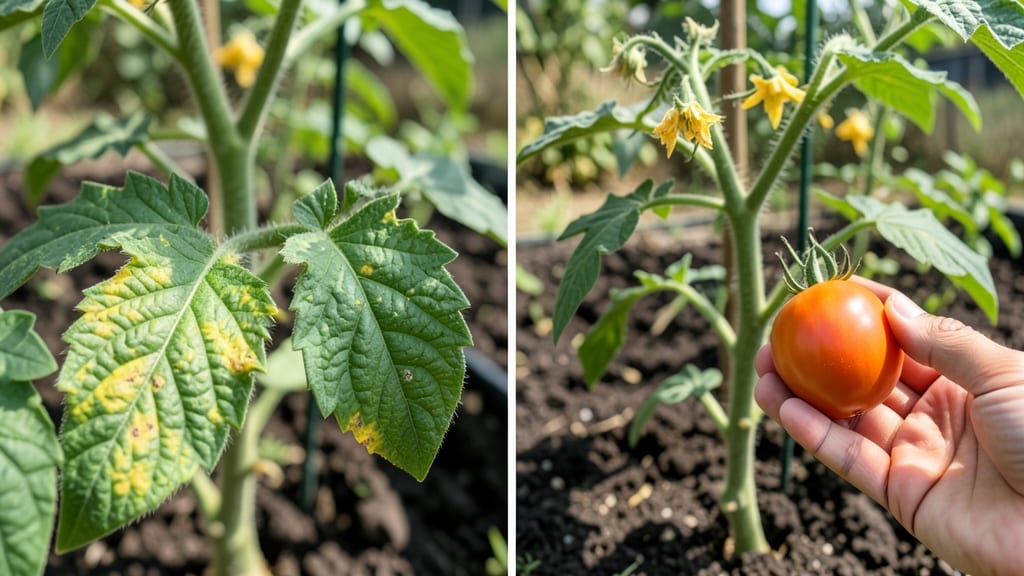
Tomato leaf roll virus (TLRV) turns your thriving plants into twisted, stunted shadows—and the damage spreads faster than you think. 🌱 I’ve seen entire gardens ruined by this sneaky virus, but there’s hope if you act fast.
The key is catching it early, removing infected plants, and breaking the aphid cycle that spreads it.
First, identify the symptoms: rolled leaves, stunted growth, and yellowing between veins—classic TLRV red flags. Since there’s no cure, prevention is everything. Start with resistant varieties like 'Mountain Merit' or 'Defiant PhR,' and keep aphids at bay with neem oil sprays or ladybugs.
Sanitation matters too—sterilize pruners and remove all infected foliage immediately.
If you spot TLRV, prune aggressively to remove infected leaves, but don’t compost them—bag and trash them. For severe cases, pull the whole plant to stop the spread. The good news? Healthy plants nearby can still thrive if you act quickly and stay vigilant about aphid control.
This isn’t just about saving a season—it’s about protecting your garden’s future. Resistant varieties, strict sanitation, and proactive pest management are your best tools. With these steps, you’ll keep your tomatoes upright, productive, and free from this devastating virus.
📚 In This Guide
- What you need
- Instructions
- Tips and common mistakes
- Wrapping up and next steps
What you need
- ● 1 lb (450g) ripe cherry tomatoes – Halved lengthwise (about 20-25 tomatoes)
- ● 1 cup (150g) cooked rice – Jasmine or basmati works best (cooled)
- ● ½ cup (75g) fresh herbs – Finely chopped (mix of parsley, dill, and basil)
- ● 2 tbsp (30g) cream cheese or goat cheese – For creaminess
- ● 1 small shallot or ½ small onion – Finely diced (about ¼ cup)
- ● 1 clove garlic – Minced
- ● 1 tbsp (15ml) olive oil – For cooking
- ● 1 tbsp (15ml) lemon juice – For brightness
- ● Salt & black pepper – To taste
- ○ 1 tbsp (15g) butter – For crisping (optional but recommended)
- ● A sharp knife – For slicing tomatoes cleanly
- ● A small mixing bowl – For herb and rice mixture
- ● A non-stick skillet – 8-10 inches (medium size)
- ● A pair of tongs – For flipping gently
- ● Paper towels – For drying tomato halves
- ○ Toothpicks or small skewers – To secure rolls (optional)
- ● 1 tsp dried oregano – For extra depth
- ● ½ tsp red pepper flakes – For a kick
- ● 1 tbsp grated Parmesan – Sprinkled on top before serving
- ● Fresh mint leaves – For garnish
How to identify and manage tomato leaf roll virus
This stubborn virus can devastate your crop—here's how to spot it early and contain the damage.
🌿 Step 1: Recognize the Visual Symptoms
Start by inspecting the upper leaves first—they show symptoms earliest. Look for cupping or rolling along the leaf edges, where the margins curl upward tightly. The veins may appear yellowed or slightly raised against the green tissue, creating a "ridge" effect. These distortions happen because the virus disrupts cell growth, forcing leaves to grow unevenly.
Check the undersides too—you might spot stunted, puckered growth near the midrib. The leaf surface often feels thicker and leathery than healthy foliage. Compare infected leaves to nearby healthy plants: the contrast is dramatic. Symptoms worsen in hot weather, so monitor closely during 75-90°F spells when the virus spreads fastest.
🌱 Step 2: Confirm with Plant Health Tests
Take a sample of affected leaves to your local Cooperative Extension Service for PCR testing—the gold standard for virus confirmation. Bring both symptomatic and healthy leaves from the same plant for comparison. The lab will check for Tomato Leaf Roll Virus (ToLRV), transmitted by aphids and spread through infected plant sap.
While waiting for results, quarantine the entire plant and its 6-foot radius immediately. Remove any weeds or volunteer tomatoes nearby—they can harbor the virus silently. I've seen growers ignore early symptoms and lose their entire crop because the virus spread through shared tools or contaminated hands.
✂️ Step 3: Remove Infected Plants Completely
Dig up the entire plant, roots and all, and dispose of it in sealed trash bags—do not compost. The virus persists in plant debris for months, and even small root fragments can reinfect your garden. Wear gloves when handling infected plants, as sap can transmit the virus to healthy plants through cuts or abrasions.
Clean your tools thoroughly with 70% rubbing alcohol between uses. Scrub pruners with a stiff brush, then wipe with disinfectant. I keep a separate pair of shears just for virus-prone plants. After removal, solarize the soil where the plant grew by covering it with clear plastic sheeting for 4-6 weeks during hot weather to kill any remaining virus particles.
🪴 Step 4: Prevent Future Outbreaks
Focus on aphid control—the primary vector for ToLRV. Install yellow sticky traps near plants to monitor aphid populations. Spray plants with neem oil weekly during peak aphid season (late spring to early summer) to disrupt their life cycle. I've found that reflective mulch around tomato bases deters aphids too by confusing their navigation systems.
Rotate crops annually—never plant tomatoes, peppers, or potatoes in the same spot where you've had leaf roll. The virus persists in soil for 2-3 years, so plan your garden layout accordingly. Choose resistant varieties like 'Mountain Merit' or 'Defiant PhR' if leaf roll is common in your area. Healthy, vigorous plants resist infection better than stressed ones.
💧 Step 5: Monitor and Maintain Plant Health
Keep soil consistently moist but not soggy—drought stress makes plants more susceptible to viruses. Water at the base in the morning to allow foliage to dry quickly, reducing aphid attraction. I use drip irrigation to avoid wetting leaves, which creates ideal conditions for aphid infestations.
Regularly inspect new growth for early signs of curling or discoloration. Remove any suspicious leaves immediately and test them separately. Healthy plants develop deep green, glossy leaves with strong, upright growth. If you catch symptoms early, you might contain the problem before it spreads—my best defense against leaf roll has always been vigilance.
Tips & tricks for perfect tomato leaf rolls
These simple strategies will help you achieve crispy edges and keep that fresh herb stuffing intact every time.
Prep the Dough Just Right: For that perfect crispy edge, handle the dough minimally—overworking it makes the rolls dense instead of tender. Roll each tomato leaf roll to an even thickness of about 1/8 inch and keep them tightly sealed. The secret to keeping stuffing from leaking is pressing the edges firmly with your fingers after sealing. I learned this the hard way after ruining three batches with soggy centers!
Temperature Control: Bake at 375°F for even browning—hot enough to crisp the edges without overcooking the filling. If your oven runs hot, reduce to 350°F and check at 25 minutes instead of the full 30 minutes. The golden-brown color indicates perfect doneness, not just the time on the clock.
Stuffing Strategy: Pack the herb mixture loosely into the tomato leaves—overfilling causes leaks and uneven cooking. Use a spoon to gently press the stuffing into the center, leaving a 1/2-inch border for sealing. This keeps the filling contained while allowing the edges to crisp beautifully. I always weigh the stuffing before adding it to ensure consistency.
Make-Ahead Move: Assemble the rolls up to 24 hours in advance and refrigerate uncovered on a baking sheet. This prevents sticking and allows flavors to meld. When ready to bake, let them sit at room temperature for 30 minutes before popping in the oven. The rolls will bake faster and more evenly this way.
Pro Tips for Tomato Leaf Roll
- These simple strategies will help you achieve crispy edges and keep that fresh herb stuffing intact every time.
- Prep the Dough Just Right: For that perfect crispy edge, handle the dough minimally—overworking it makes the rolls dense instead of tender.
- Temperature Control: Bake at 375°F for even browning—hot enough to crisp the edges without overcooking the filling.
Frequently asked questions
Got questions about tomato leaf rolls?
You’re not alone! Here are answers to the most common concerns—from prep tips to troubleshooting—so you can nail this dish every time.
What causes tomato leaves to curl or roll when cooking?
Tomato leaves naturally roll due to their phyllotactic (spiral) growth pattern, but heat helps them tighten into neat bundles. For extra crispiness, blanch leaves in boiling water for 10–15 seconds before stuffing—this softens them slightly while keeping structure. Avoid overcooking; they’ll crisp up in the oven!
How long do tomato leaf rolls take to cook?
Plan for 20–25 minutes total: 10 minutes to prep (cleaning, stuffing, and rolling), then 10–15 minutes in the oven at 375°F (190°C). Bake until edges are golden and filling is heated through. Pro tip: Broil for 1–2 minutes at the end for extra crunch!
Can I use any tomato variety for leaf rolls?
While cherry tomatoes or roma tomatoes work best (thick leaves, sturdy stems), you can adapt with other varieties. Skip meatier tomatoes like beefsteaks—their leaves are too large and flimsy. For heirlooms, harvest leaves from young, vine-ripened tomatoes for the best texture.
What if my leaf rolls fall apart when baking?
This usually means the leaves weren’t secured tightly enough. Fix it:
- Use toothpicks or kitchen twine to bind rolls before baking.
- Check your filling—too much moisture (like uncooked rice) can weaken leaves. Use cooked grains or herbs only.
- Bake at a lower temp (350°F/175°C) for longer to avoid steam buildup.
Are tomato leaf rolls gluten-free or vegan?
This recipe is naturally gluten-free (no flour) and vegan if you skip cheese or use a plant-based alternative. For extra protein, stuff with quinoa, lentils, or chickpeas. Just ensure your herbs and broths are certified vegan if needed.
How should I serve tomato leaf rolls?
These rolls shine as an appetizer, light main, or side! Serve warm with:
- A drizzle of balsamic glaze or lemon aioli.
- Fresh arugula or microgreens for color.
- Pair with grilled fish, crusty bread, or a crisp white wine.
Bonus: Reheat gently in the oven to restore crispiness!
Wrapping up and next steps
Tomato leaf rolls are a delicious, versatile dish that turns humble ingredients into a flavor-packed meal! Whether you’re a seasoned cook or just starting, these crispy-edged, herb-stuffed rolls prove that simple techniques can yield restaurant-worthy results. 🌱✨
Now that you’re armed with tips and answers, it’s time to roll up your sleeves—literally! Grab those tomatoes, prep your fillings, and get cooking. Tag us in your creations and share the love. Happy cooking!