
Pruning
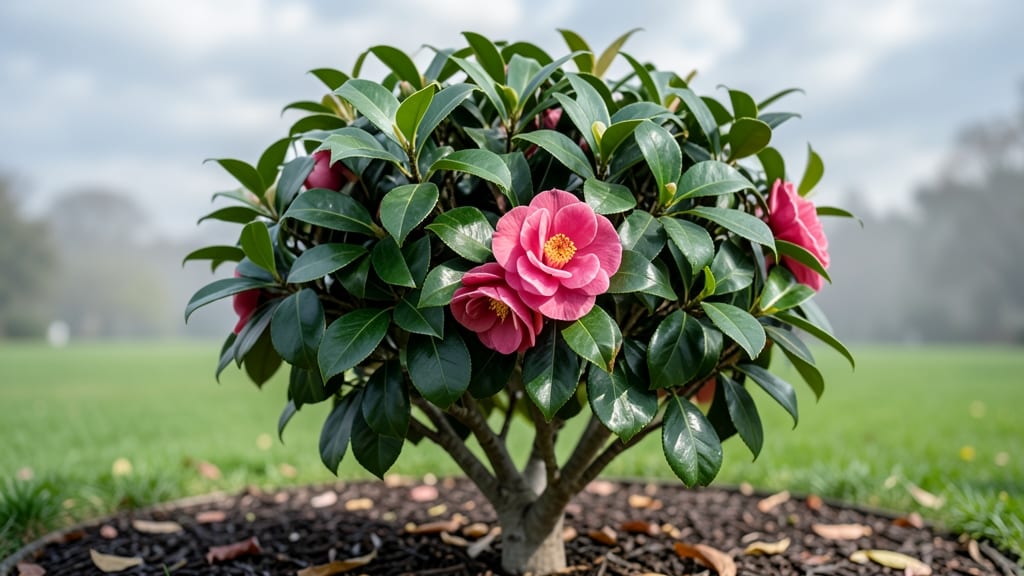
Your tea leaf tree thrives when pruned right—this is how to keep it lush and productive all year. ✂️ I’ve learned the hard way that timing and technique make the difference between a bushy, blooming beauty and a scraggly mess.
The secret isn’t just cutting branches; it’s understanding when to shape, when to encourage growth, and how to avoid stressing the plant.
Start with the basics: sharp pruners, a clean workspace, and a plan. Tea leaf trees—whether Camellia sinensis for tea or ornamental varieties—respond best to pruning after flowering, but light trimming can happen year-round.
Focus on removing dead wood first, then shape the tree to open up airflow and sunlight. Overgrown branches? Thin them out to maintain a natural, balanced form.
By the end, you’ll have a tea leaf tree that blooms heavier and stays healthier than ever. The key is patience—prune too aggressively, and you’ll stunt growth; skip it, and the tree gets leggy.
With the right cuts, you’ll encourage fresh, vibrant foliage and even more flowers next season. Ready to transform that wild bush into a showstopper?
Works for both garden beds and containers, and adapts to different climates. Just remember: tea leaf trees reward precision over brute force. Let’s get those pruners out!
📚 In This Guide
- What you need
- Instructions
- Tips and common mistakes
- Wrapping up and next steps
What you need
- ● Pruning shears: Sharp, bypass-style shears (2-4 inches long) for clean cuts on small branches.
- ● Loppers: Heavy-duty (8-12 inches) for thicker branches (½–1 inch in diameter).
- ● Pruning saw: Bow saw or pruning saw for branches thicker than 1 inch.
- ● Gloves: Garden gloves (cut-resistant, medium-weight) to protect hands from thorns and sap.
- ● Disinfectant: 70% isopropyl alcohol or rubbing alcohol to sterilize tools between cuts (prevents disease spread).
- ● Rags or paper towels: For wiping tools clean.
- ○ Twine or zip ties: To secure branches during heavy pruning (optional but helpful).
- ● Hand pruners: Compact shears for precision trimming on delicate stems.
- ● Ladder: Sturdy, extendable ladder (if tree exceeds 6 feet tall).
- ● Plant wound sealant: Pruning paste (for large cuts, though tea leaf trees heal well without it).
- ● Notebook or app: To sketch the tree’s shape or track pruning notes (e.g., iNaturalist or Gardenate).
- ● Watering can: Small one for post-pruning hydration.
Instructions for pruning a tea leaf tree for year-round health
Here's the method I've used to keep my tea leaf trees lush and productive, no matter the season.
✂️ Step 1: Assess Growth and Identify Pruning Zones
Start by examining your tea leaf tree for overcrowded branches, crossing limbs, or dead wood. I always prune in the early morning when the tree is fully hydrated—this helps it recover faster. Look for areas where branches grow inward or rub against each other; these are prime candidates for removal to improve airflow and sunlight penetration.
Use your fingers to gently trace the branch's path along the trunk. If you feel a smooth, raised bump where the branch meets the main stem, that's the branch collar. Cut just outside this collar—never flush with the trunk—to prevent damage to the tree's healing tissues. This is where new growth will emerge, so precision matters.
✂️ Step 2: Prune for Shape and Airflow in Late Winter
Late winter, just before new growth begins, is the ideal time for structural pruning. Remove any weak or diseased branches first, cutting back to a healthy bud or lateral branch. I make my cuts at a 45-degree angle, about ¼ inch above the bud, to encourage water to run off and prevent rot.
For shaping, focus on opening the center of the tree to 30-40% sunlight penetration. Thin out branches that grow toward the center, always cutting back to a lateral branch or bud. Avoid cutting more than 25% of the tree's foliage in one session—this prevents shock. You'll notice new, vibrant growth within 4-6 weeks if the timing is right.
☀️ Step 3: Light Maintenance Pruning in Spring and Summer
During the growing season, I do light maintenance pruning to keep the tree healthy and encourage new leaf production. Remove any yellowing or diseased leaves immediately—they can spread problems quickly. For new growth, pinch back the tips of soft, flexible shoots to promote bushier growth. This is especially useful for tea leaf trees, which can become leggy if not managed.
Watch for suckers—shoots growing from the base or roots—and remove them promptly. These compete with the main tree for nutrients. I also trim back any branches that grow too long or block walkways. Always sterilize your pruners with rubbing alcohol between cuts to prevent the spread of disease.
⏰ Step 4: Prepare for Dormancy in Early Fall
As temperatures drop in early fall, shift your focus to preparing the tree for dormancy. Remove any dead or dying branches that haven't been addressed earlier. Prune back any overly vigorous growth that may not have enough time to harden off before winter. This helps the tree conserve energy and enter dormancy more smoothly.
Reduce watering gradually over the next few weeks to help the tree adjust. You'll know you're on the right track when the tree's growth slows and leaves begin to yellow naturally. Avoid heavy pruning now—just light shaping to remove anything that might harbor pests or diseases over winter.
✂️ Step 5: Sanitize Tools and Monitor Year-Round
After each pruning session, clean your tools thoroughly with a 10% bleach solution or rubbing alcohol. This prevents the spread of bacteria and fungi between cuts. Store pruners in a dry place to keep them sharp and ready for the next session. I also keep a small notebook nearby to jot down notes on the tree's response to pruning—this helps me adjust my approach each year.
Throughout the year, keep an eye out for signs of stress, such as wilting leaves or unusual discoloration. These can indicate over-pruning, underwatering, or pest issues. Adjust your care routine as needed, and you'll maintain a healthy, productive tea leaf tree for years to come.
Tips & tricks for pruning a tea leaf tree
Here's what I've learned after years of pruning tea leaf trees—these tricks will keep yours thriving year-round.
Timing is Everything: Late winter pruning (just before buds swell) is critical for tea leaf trees because it allows the tree to heal before the growing season begins. I've seen trees recover beautifully after this timing, but if you miss it, spring pruning can still work—just be more conservative with cuts. The key is to avoid pruning when the tree is actively growing; new growth is more vulnerable to stress and disease.
The 25% Rule: Never remove more than 25% of the tree's foliage in one session, as instructed in Step 2. This prevents shock and allows the tree to maintain its energy balance. I learned this the hard way—after removing 30% of a tree's branches in one go, it took nearly a year to recover. If you're unsure, err on the side of caution and spread pruning over two sessions.
Branch Collar Precision: When making cuts in Step 1, focus on the branch collar—the smooth bump where the branch meets the trunk. Cutting just outside this collar (never flush with the trunk) ensures the tree's healing tissues aren't damaged. I use my fingernail to trace the collar's edge before making the cut—this helps me visualize where to stop, and it's made a noticeable difference in how quickly the tree recovers.
Sterilize Tools Between Cuts: This might seem like a no-brainer, but I can't stress it enough—especially when pruning tea leaf trees, which are prone to fungal issues. After each cut in Step 3, wipe your pruners with rubbing alcohol or a 10% bleach solution. I keep a small spray bottle of diluted bleach (1 part bleach to 9 parts water) nearby for quick sanitization. This simple step has prevented multiple outbreaks of powdery mildew in my trees.
Pro Tips for Tea Leaf Tree
- Here's what I've learned after years of pruning tea leaf trees—these tricks will keep yours thriving year-round.
- Timing is Everything: Late winter pruning (just before buds swell) is critical for tea leaf trees because it allows the tree to heal before the growing season begins.
- The 25% Rule: Never remove more than 25% of the tree's foliage in one session, as instructed in Step 2.
Frequently asked questions
Got questions about keeping your tea leaf tree (Camellia sinensis) thriving with the right pruning? Here are answers to common concerns—whether you're a beginner or a seasoned gardener.
When is the best time to prune a tea leaf tree?
The ideal time is late winter or early spring, just before new growth begins. This encourages healthy foliage and prevents disease. Avoid heavy pruning in fall—it can leave branches vulnerable to cold. For minor shaping, summer pruning is fine, but avoid cutting into old wood.
How much can I prune without harming the tree?
For young trees, limit pruning to 10-20% of the canopy per year. Mature trees can handle up to 25-30%, but never remove more than ⅓ in a single session. Over-pruning stresses the tree and reduces yield. Focus on open-center shaping to maximize airflow and sunlight.
Why are my tea leaves turning brown after pruning?
Brown leaves usually mean over-pruning or disease exposure. If cuts were too severe, the tree may struggle to recover. Ensure tools are sterilized (rubbing alcohol works) to prevent fungal infections. Water lightly post-pruning and avoid wetting leaves to speed healing.
Can I prune a tea leaf tree for better tea yield?
Yes! Prune to create an open canopy—remove dense inner branches to let sunlight reach lower leaves. Focus on young, tender shoots (they produce the best tea). Avoid heavy cuts on mature wood, as it prioritizes growth over leaf quality. Harvest leaves after pruning for fresh, flavorful tea.
What if my tea leaf tree doesn’t grow back after pruning?
If new growth stalls, check for root damage, pests, or nutrient deficiencies. Apply a balanced fertilizer (10-10-10) in spring and ensure well-draining soil. For stubborn cases, prune less aggressively next time and monitor for signs of stress like yellowing leaves.
Wrapping up and next steps
The tea leaf tree thrives when given the right care—and pruning is your secret weapon! 🌿 By following seasonal strategies, you’ll encourage lush growth, vibrant foliage, and even better harvests. Remember, consistency and patience are key, so don’t rush the process.
Ready to transform your tea leaf tree into a flourishing masterpiece? Start small: grab your tools, pick a sunny day, and begin with just a few branches. Soon, you’ll be rewarded with a healthier, happier plant—and maybe even a steaming cup of homegrown tea! ☕✨