
Planting
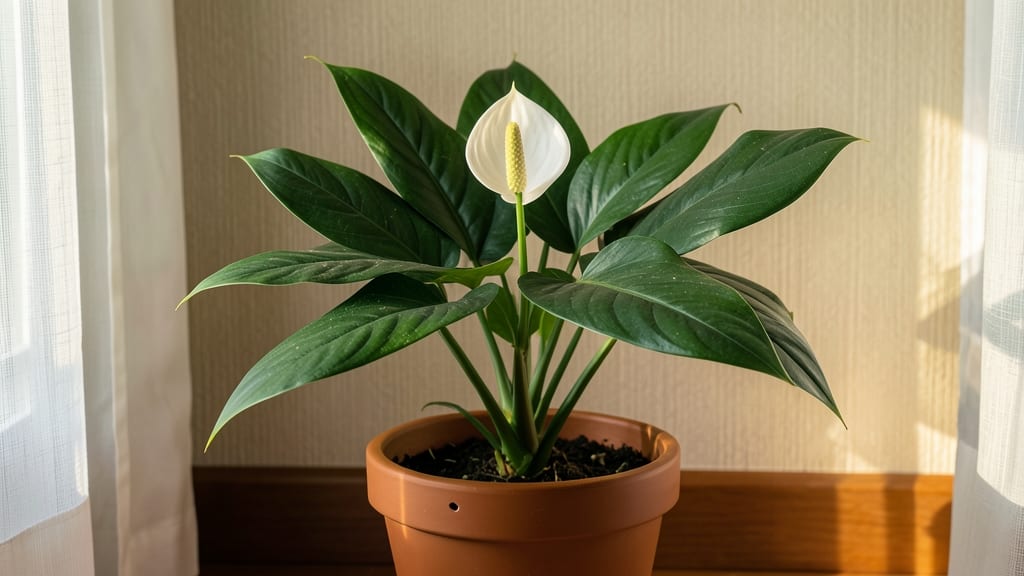
Growing a spiral leaf plant starts with understanding its tropical roots—this isn’t a fussy houseplant, but it does need the right conditions to reward you with those iconic coppery leaves. 🌿 I’ve watched mine go from a struggling seedling to a statement piece in just two years, and the secret isn’t complicated: it’s about mimicking its jungle habitat indoors.
The key is balancing light, water, and humidity like a pro. Too much direct sun scorches those gorgeous leaves, while too little water turns them brown at the edges.
My plant thrives in bright, indirect light near a north or east window, and I water it only when the top inch of soil feels dry—never on a schedule. The soil mix matters too: a chunky, well-draining blend keeps roots happy and prevents rot.
What you’ll end up with is a plant that grows 2-3 feet per year if given the right care, with those signature fenestrated leaves unfolding like nature’s art. The best part? It’s pet-friendly and purifies the air, making it a win-win for your home.
Once you master the basics, propagation is the cherry on top—just clip a stem and root it in water, and you’ve got a free plant for a friend. Whether you’re starting with a cutting or a nursery plant, the principles stay the same. The payoff?
A lush, low-maintenance centerpiece that keeps growing—and looking stunning—year after year.
📚 In This Guide
- What you need
- Instructions
- Tips and common mistakes
- Wrapping up and next steps
What you need
- ● Spiral leaf plant (Heliconia rostrata) – 1 healthy mature plant or 2-3 small offsets (ensure roots are intact).
- ● Well-draining potting mix – 5-10 gallons (depending on pot size). Opt for a blend of peat moss, perlite, and orchid bark (60:20:20 ratio).
- ● Pot with drainage holes – 12-18 inches in diameter (terracotta or plastic).
- ● Slow-release fertilizer – 1-2 tablets or granules (e.g., Osmocote for tropical plants).
- ● Watering can with a narrow spout – For precise hydration.
- ○ Humidity tray or pebble tray – Optional but helpful for maintaining moisture.
- ● Pruning shears – For trimming dead or overgrown leaves.
- ● pH testing kit – To monitor soil acidity (ideal range: 5.5-6.5).
- ● Mulch (orchid bark or coconut coir) – 1-2 inches to retain moisture.
- ● Grow lights (LED or fluorescent) – If indoor lighting is insufficient.
- ○ Support stakes or trellis – For tall varieties (optional but helpful).
Step-by-Step instructions for growing a thriving spiral leaf plant
Here’s how to coax those stunning coppery spirals into full, lush growth—no green thumb required.
🌱 Step 1: Select the Right Plant and Pot
The spiral leaf plant (Costus spiralis) thrives in bright, indirect light and needs a pot with drainage holes. Choose a 6-8 inch container with at least one drainage hole to prevent root rot. I like terracotta pots because they wick away excess moisture naturally.
Fill the pot with a well-draining potting mix—regular garden soil is too dense. Mix in one part perlite or orchid bark for every three parts potting mix to improve aeration. This ensures roots stay oxygenated and water drains freely.
☀️ Step 2: Position for Optimal Light and Humidity
Place your spiral leaf plant near a bright, east- or west-facing window where it gets 4-6 hours of indirect sunlight daily. Direct midday sun can scorch the striking coppery leaves, so avoid south-facing windows unless filtered through sheer curtains.
Mist the leaves 2-3 times weekly or set the pot on a tray of pebbles filled with water to maintain 60-70% humidity. You’ll know humidity is right when the leaves stay plump and vibrant—drooping or crispy edges mean it’s too dry.
💧 Step 3: Water Consistently Without Overdoing It
Water when the top 1-2 inches of soil feel dry to the touch. Stick your finger in the soil—if it’s damp, wait another day. I water deeply until water runs out the drainage hole, then empty the saucer to prevent soggy roots.
Overwatering is the fastest way to kill a spiral leaf plant. Yellowing leaves or mushy stems? You’re overdoing it. Let the soil dry slightly between waterings, especially in cooler months when growth slows.
✂️ Step 4: Prune and Fertilize for Lush Growth
Trim leggy stems back to encourage bushier growth. Use clean, sharp scissors to snip just above a leaf node. This promotes new shoots and keeps the plant compact. I prune in early spring to refresh the plant after winter dormancy.
Feed every 4-6 weeks in spring and summer with a balanced liquid fertilizer (10-10-10 or 20-20-20). Dilute to half-strength to avoid burning the roots. You’ll see new growth within weeks—healthier leaves and tighter spirals.
🪴 Step 5: Repot When Roots Outgrow the Container
Check for root-bound plants by gently tugging on the stems. If roots circle the pot or spill out of drainage holes, it’s time to repot. Choose a container 2-3 inches larger in diameter and refresh the potting mix completely.
Repot in spring or early summer when the plant is actively growing. Handle the roots gently—disturbing them too much stresses the plant. Water thoroughly after repotting to help the soil settle.
Tips & tricks for perfect spiral leaf plant care
Between us, these little details make all the difference when growing that stunning spiral leaf plant. The coppery foliage won't thrive without them.
Lighting Secret: That 4-6 hours of indirect light is non-negotiable for those vibrant copper tones. I've learned the hard way—direct sun turns the leaves bleached and sad. If your east or west window isn't bright enough, supplement with a grow light for 2-3 hours daily. The leaves will tell you when they're happy: plump and perky, not crispy at the edges.
Soil Mix Upgrade: The 1:3 perlite-to-potting mix ratio is your best friend for preventing root rot. For an extra boost, I add a handful of worm castings to the mix—it gives the plant a gentle nutrient kick without overwhelming it. Just make sure your pot has those drainage holes we talked about, or you'll be dealing with soggy stems faster than you can say "overwatered."
Pruning Strategy: When you're trimming those leggy stems in Step 4, don't just cut randomly. Look for the leaf nodes—those little bumps where leaves grow—and snip just above them. This is where new growth will sprout, giving you bushier plants with more of those gorgeous spirals. I always prune after watering so the plant can focus on recovery rather than drying out.
Fertilizer Timing: Those 4-6 week intervals between feedings are perfect for spring and summer, but here's what nobody tells you—stop fertilizing in fall and winter. The plant goes dormant, and feeding during this time can actually damage the roots. Just water normally and let it rest until spring growth kicks in again.
Pro Tips for Spiral Leaf Plant
- Between us, these little details make all the difference when growing that stunning spiral leaf plant.
- Lighting Secret: That 4-6 hours of indirect light is non-negotiable for those vibrant copper tones.
- Soil Mix Upgrade: The 1:3 perlite-to-potting mix ratio is your best friend for preventing root rot.
Frequently asked questions
Got questions about your spiral leaf plant (Monstera adansonii)? You’re not alone—this striking plant has quirks! Here are answers to the most common queries to keep your green friend thriving.
How often should I water my spiral leaf plant?
Water your Monstera adansonii when the top 1–2 inches of soil feel dry. Overwatering is the #1 killer—stick to every 7–10 days (adjust for humidity/climate). Yellow leaves? You’re likely overdoing it. Pro tip: Use a moisture meter for precision!
Why aren’t my spiral leaves developing fenestrations (holes)?
Don’t worry—Monstera adansonii is slower to develop holes than its cousin, Monstera deliciosa. Fenestrations appear with age, light, and maturity (often 1–2 years). Boost growth with bright, indirect light and humidity (60%+). Patience pays off!
Can I grow a spiral leaf plant in low light?
While it can survive in low light, expect slower growth and fewer fenestrations. Aim for medium to bright indirect light (e.g., near an east-facing window). If leaves yellow or droop, Move it closer to light—but avoid harsh direct sun to prevent burns.
How do I propagate my spiral leaf plant?
Propagate via stem cuttings in water or soil. Snip a healthy stem with at least 1–2 nodes, remove lower leaves, and place in water (root in 2–4 weeks) or moist soil. Keep humidity high and avoid direct sun until rooted. Bonus: Use rooting hormone for faster success!
What pests should I watch for, and how do I treat them?
Spider mites and mealybugs are common. Isolate the plant if you spot webbing or cottony clusters. Treat with neem oil or insecticidal soap, and wipe leaves with a damp cloth. Prevent pests by misting leaves and avoiding overcrowding.
Wrapping up and next steps
The spiral leaf plant is a stunning, low-maintenance addition to any indoor space, bringing vibrant coppery-green foliage and architectural charm to your home. With the right care—bright indirect light, well-draining soil, and occasional hydration—you’ll enjoy its lush, spiraled leaves year-round.
Whether you’re a seasoned plant parent or just starting, this beauty rewards patience with effortless elegance.
Ready to level up your plant collection? 🌿 Start by grabbing your spiral leaf plant and a cozy spot near a window—your future green companion is waiting! For extra flair, pair it with complementary houseplants or experiment with creative pots to match your style.