
Planting
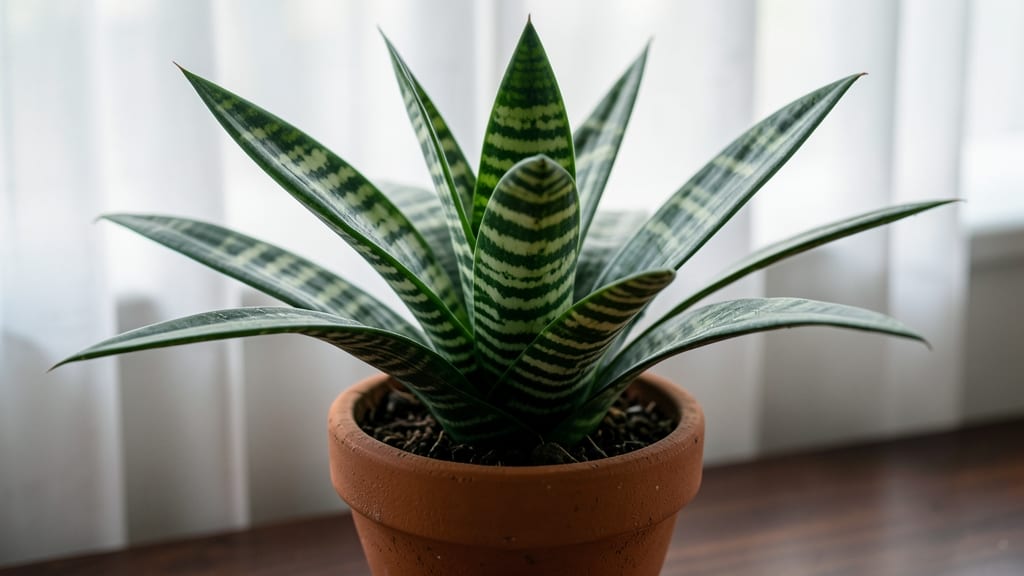
That small green-and-white leaf plant could be the easiest houseplant you’ll ever grow. 🌿 I’ve had mine thriving for years with minimal effort—just the right balance of light, water, and a little occasional pruning.
The variegation makes it a standout in any space, whether it’s a shady corner or a bright windowsill.
Most people assume these plants need constant care, but they’re actually quite forgiving. My snake plant and variegated pothos both bounce back from neglect, and they multiply so easily you’ll have cuttings to share in no time.
The key is understanding their natural habits—like how they store water in their leaves or prefer slightly dry soil over soggy roots.
You’ll love how these plants fill gaps quickly while adding texture and contrast to your garden. The white variegation stands out against green foliage, creating a striking look without needing full sun. Plus, they’re perfect for small spaces, hanging baskets, or even as tabletop plants.
Whether you’re dealing with low light or just starting your plant collection, this guide covers everything you need to keep your green-and-white leafy friend happy and growing. Let’s get those leaves thriving!
Root Causes Of Leaf Stress
Understanding why your small green-and-white variegated foliage might lose its vibrancy—or worse, start browning or yellowing—starts with identifying the core triggers. These plants, often Hosta or Astilbe varieties, thrive on balance, and even minor disruptions can send them into distress. Let’s break down the science behind the most common culprits.
Variegated plants like these rely on precise moisture levels. Their delicate leaves are prone to phylloplane pathogens (fungal/bacterial growth on leaf surfaces) when roots sit in soggy soil for too long. Here’s why it happens:
- Waterlogged Roots: Oxygen deprivation forces roots to suffocate, triggering anaerobic respiration—a slow, toxic process that releases ethanol and other harmful byproducts.
This disrupts nutrient uptake, causing chlorosis (yellowing) between the white variegation. - Salt Buildup: Overwatering with tap water (high in chlorides/sulfates) leaves behind a crusty residue that osmotically stresses roots, preventing water absorption.
The plant compensates by shedding leaves or developing brown edges. - Fungal Invaders: Excess moisture creates the perfect breeding ground for Phytophthora or Pythium, which clog root tissues and block water transport. White variegation fades as the plant diverts energy to survival.
Actionable Fix:
- Test your soil: Stick a finger 2 inches deep—if it’s damp after 48 hours, you’re overwatering.
- Upgrade pots/containers: Ensure drainage holes and use well-aerated mixes (60% peat/compost, 30% perlite, 10% sand).
- Water deeply but infrequently: Aim for 1–1.5 inches per week (less in shade). Use a moisture meter for precision.
Variegated leaves are a sunburn waiting to happen if exposed to harsh afternoon rays. Conversely, deep shade starves them of the light they need for photosynthesis. Here’s the science:
- UV Damage: White variegation lacks chlorophyll, making those cells highly susceptible to oxidative stress when hit by direct sun.
This causes necrotic spots (dead tissue) that appear as crispy brown patches. - Photosynthesis Imbalance: In low light, the green areas struggle to produce enough energy, while the white cells leach nutrients from their neighbors.
Over time, the plant weakens, and leaves may develop bleached streaks or curl. - Temperature Stress: Hot sun + dry air = transpirational pull, where leaves lose water faster than roots can replace it. This triggers abscisic acid (a plant stress hormone) that signals wilting or leaf drop.
Actionable Fix:
- Spot the ideal light: Most variegated perennials (like Hosta ‘Francee’) need dappled shade (4–6 hours of filtered sun daily). Use light meters or observe shadows cast by trees.
- Shade cloth: If in full sun, apply 30–50% shade cloth during peak hours (10 AM–4 PM).
- Mulch properly: A 2–3 inch layer of organic mulch (cedar or straw) retains moisture and moderates soil temps.
Variegated plants are nutrient vampires—they demand consistent feeding to maintain their striking patterns. Deficiencies or imbalances throw their metabolism into chaos.
- Nitrogen Starvation: White variegation relies on green tissue to "feed" it via source-sink relationships.
Low nitrogen (a key building block of chlorophyll) causes the green parts to weaken, and the white areas turn pale or yellow as they’re starved. - Magnesium Deficiency: This mineral is central to chlorophyll production.
Without it, leaves develop interveinal chlorosis (yellowing between veins), especially in older foliage. - Over-Fertilizing: Too much synthetic nitrogen (e.g., urea) or salt-based fertilizers burns roots, while excess phosphorus can lock out micronutrients like iron or zinc. Symptoms include purple stems or blackened leaf tips.
Actionable Fix:
- Soil Test First: Use a DIY test kit or send a sample to a lab to check pH (ideal: 6.0–7.0) and nutrient levels.
- Balanced Fertilizer: Choose a slow-release, organic option (like fish emulsion or worm castings) with a 3-1-2 NPK ratio (nitrogen-phosphorus-potassium).
- Foliar Sprays: For quick fixes, use chelated iron or magnesium sulfate (Epsom salt) sprays (1 tbsp per gallon of water, applied every 2 weeks).
Variegated leaves can attract pests that target the tender, less protected white tissue. Here’s how they sabotage your plant:
- Slugs & Snails: Their radula (like a tiny file) rasps away at soft leaf edges, leaving irregular holes and silver slime trails.
They prefer variegated plants because the white areas are easier to digest (lower tannin content). - Aphids & Spider Mites: These sap-suckers pierce cells and inject toxins, causing stunted growth and white webbing (mites).
Their saliva disrupts phytohormones, leading to curling or distorted leaves. - Fungal Leaf Spots: Pathogens like Septoria or Alternaria exploit stressed plants, creating target-like brown spots with yellow halos. High humidity + poor airflow = perfect storm.
Actionable Fix:
- Physical Barriers: Surround plants with copper tape (repels slugs) or diatomaceous earth (dehydrates pests).
- Neem Oil Spray: Mix 1 tbsp neem oil + 1 tsp mild soap per quart of water. Spray every 7 days until pests vanish.
- Prune & Dispose: Remove infected leaves immediately and sterilize pruners with rubbing alcohol to prevent spread.
Variegated plants are sensitive to atmospheric drama. Sudden changes can disrupt their stomatal regulation (how leaves breathe and sweat).
- Cold Shock: Temperatures below 40°F (4°C) can cause cold injury, where cells freeze and rupture.
Symptoms include water-soaked spots that turn brown. - Heat Stress: Above 90°F (32°C), stomata close to conserve water, but this traps heat inside leaves, leading to scorching (white-to-brown patches). - Low Humidity: Air drier than 40% humidity causes transpirational stress, where leaves lose moisture faster than roots can supply it.
This triggers crispy edges or drooping.
Actionable Fix:
- Microclimate Control: Group plants together to increase humidity via transpiration. Add a pebble tray with water beneath pots.
- Windbreaks: Use bamboo screens or hedges to shield from drying winds.
- Mulch Thickly: 4–6 inches of mulch insulates roots and stabilizes soil temps. Avoid synthetic mulches—they can overheat soil.
Even well-meaning gardeners can poison their variegated plants without realizing it.
- Herbicide Drift: Glyphosate or 2,4-D can systemically damage plants, causing yellowing, stunted growth, or complete leaf death.
- Salt Burn: Overuse of synthetic fertilizers or ice melt in winter leaves behind sodium chloride, which disrupts osmosis in root cells.
- Air Pollution: Ozone or sulfur dioxide from traffic/exhaust oxidizes chlorophyll, leading to bleached or speckled leaves.
Actionable Fix:
- Test Water: If using tap water, check for high chloride/sulfate levels (ideal: <100 ppm).
- Organic Alternatives: Switch to compost tea or seaweed extract for nutrients. Avoid granular salts.
- Buffer Zones: Plant a sacrificial border (like sunflowers) to catch herbicide spray.
Quick Fixes for Common Plant Struggles
Reviving your small green-and-white variegated leaf plant doesn’t have to be a guessing game. Whether it’s wilting, yellowing, or struggling to thrive, targeted solutions can turn things around fast. Below, we’ve mapped out practical fixes for the most common issues, along with prevention tips to keep your plant happy long-term.
Cause: Soggy soil or lack of essential nutrients (like nitrogen or iron) often leads to yellowing leaves, even in shade-loving plants.
Fix It: ✅ Check the soil moisture – Stick your finger 1–2 inches deep. If it’s damp, hold off on watering. These plants prefer well-draining soil and moderate moisture—never soggy. ✅ Flush the roots – If overwatered, repot the plant in fresh, peaty or sandy soil mix to improve drainage. Add a handful of perlite or orchid bark for aeration. ✅ Fertilize lightly – Use a balanced, water-soluble fertilizer (10-10-10) diluted to half strength every 4–6 weeks in growing season. For a natural boost, mix in compost tea or worm castings.
💡 Prevention Tip: Water only when the top inch of soil feels dry. Variegated plants are prone to root rot—never let them sit in saucers of water.
Cause: Crispy edges or wilting can signal underwatering, root bound conditions, or low humidity—common in indoor or dry-climate setups.
Fix It: 💧 Water deeply but infrequently – Soak the soil until water drains from the bottom, then wait until the top 1–2 inches dry out before watering again. 🌿 Boost humidity – Place the pot on a pebble tray with water or mist the leaves 2–3 times a week (avoid wetting the leaves if prone to fungal issues). 🪴 Repot if root-bound – If roots circle the pot or poke through drainage holes, upgrade to a slightly larger container with fresh soil.
✨ Pro Tip: Group plants together to create a micro-climate with higher humidity—just like their natural shade-garden habitat!
Cause: Crunchy brown tips often mean low humidity, fluoride buildup from tap water, or exposure to harsh afternoon sun (even in shade plants!).
Fix It: 🚰 Use filtered or rainwater – Fluoride and chlorine in tap water can scorch leaves. If that’s not an option, let tap water sit out for 24 hours before using. 🌧️ Increase air moisture – Place a humidifier nearby or set the pot on a bed of damp sphagnum moss (keep the moss below the pot rim). 🌿 Adjust light exposure – Move the plant to a brighter but indirect spot (e.g., near an east-facing window). If outdoors, provide dappled shade with sheer curtains or tree cover.
🎯 Prevention Tip: Wipe leaves gently with a damp cloth every few weeks to remove dust, which can block light and stress the plant.
Cause: Slow growth usually means nutrient-poor soil, root constraints, or insufficient light (even shade plants need some brightness).
Fix It: 🌱 Refresh the soil – Amend with organic matter like coco coir, compost, or leaf mold to improve fertility. ☀️ Optimize light – Place near a north or east window or under grow lights (12–14 hours/day) if indoors. Outdoors, ensure partial shade (30–50% sunlight). 🌱 Prune strategically – Trim yellow or leggy stems to encourage bushier growth. Use clean, sharp scissors and snip just above a leaf node.
🔥 Growth Hack: Pinch back the tips of new growth to prompt the plant to branch out—this works wonders for compact, fuller foliage!
Cause: Tiny pests like spider mites or aphids thrive in dry conditions and can drain your plant’s vitality.
Fix It: 💦 Blast them off – Spray leaves with a strong stream of water to dislodge pests, then wipe with a soapy water cloth (1 tsp mild soap per gallon of water). 🌿 Neem oil spray – Mix 1 tsp neem oil + 1 tsp dish soap + 1 quart water, spray thoroughly, and repeat every 5–7 days until gone. 🌱 Introduce beneficial insects – Ladybugs or lacewings devour aphids naturally. Buy them online or attract them with dill or fennel plants nearby.
💡 Prevention Tip: Inspect new plants before bringing them home—quarantine them for a week to catch hitchhiking pests early!
Remember: Most issues stem from watering habits, light balance, or soil health. With these fixes, your variegated leaf plant will bounce back—and thrive—like a pro! 🌿✨
Frequently asked questions
What are the most common small plants with green and white variegated leaves?
Popular varieties include variegated pothos (Epipremnum aureum), snake plant (Sansevieria trifasciata 'Laurentii'), Hosta (especially 'Francee' or 'Blue Angel'), and variegated ivy (Hedera helix 'Glacier'). These thrive indoors and outdoors in shaded areas.
How often should I water a small variegated leaf plant?
Water when the top 1–2 inches of soil feel dry. Most variegated plants prefer moderate moisture—never soggy soil. In winter, reduce watering to every 2–3 weeks, as growth slows. Always use pots with drainage holes to prevent root rot.
Why are the white parts of my plant turning brown?
Brown variegation usually means sunburn (too much direct light) or low humidity. Move your plant to dappled shade and increase humidity with a pebble tray or humidifier. Avoid placing near heat sources like radiators.
Can I propagate my variegated leaf plant easily?
Yes! Most variegated plants propagate via stem cuttings. Cut a healthy stem just below a leaf node, let it callus for 1–2 hours, then place in water or moist soil. Roots typically form in 2–4 weeks. Use a clear container to track root growth.
Are these plants toxic to pets?
Some common variegated plants like pothos and snake plant are toxic to cats and dogs if ingested, causing mouth irritation or vomiting. Keep them out of reach or choose pet-safe alternatives like spider plants or Boston ferns. Always research before bringing a plant home.