
Plants
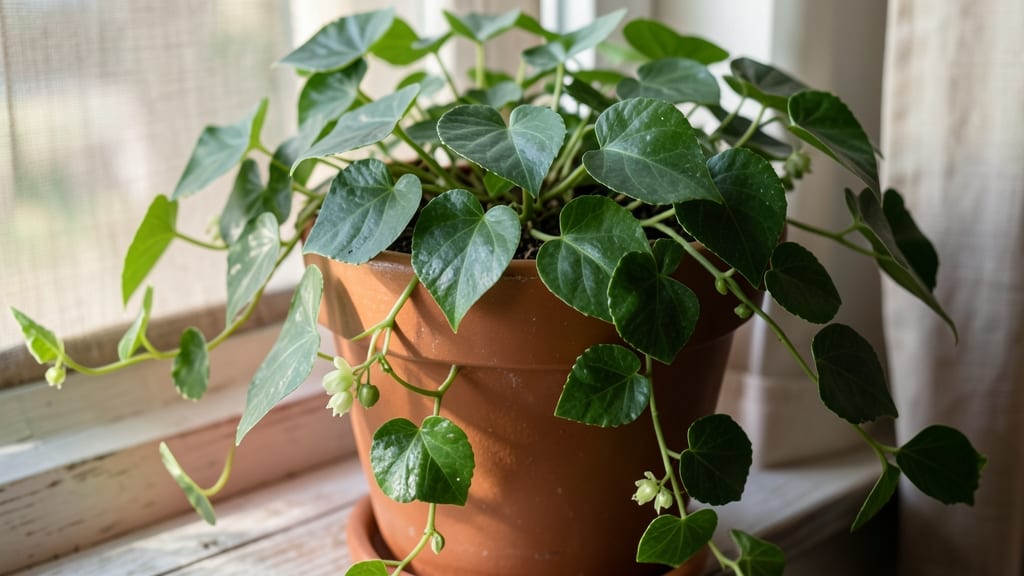
Growing a round leaf vine from cuttings is the fastest way to fill your garden with velvety green walls or cascading ground cover. 🌿 I’ve propagated mine from grocery store stems, and now they’re thriving in containers, trellises, and even hanging baskets—no greenhouse needed.
The secret lies in timing, the right cutting, and a little patience before roots take hold.
This vine loves bright, indirect light but tolerates shade better than most—perfect for patios or under trees. Well-draining soil is key; I mix in perlite to prevent soggy roots, which is where most beginners go wrong.
Water when the top inch feels dry, and you’ll see new growth within 2-3 weeks of propagation. Overwatering is the real enemy here.
Once established, these vines grow aggressively, so prune regularly to shape them. Pinch back leggy stems to encourage bushier growth, and you’ll end up with a lush, year-round green curtain that’s far prettier than any plastic alternative.
The best part? Every cutting you take can become another plant—free foliage for friends or your own garden.
Whether you’re covering a bare wall, spilling over a balcony, or creating a living privacy screen, this vine adapts beautifully. Start with just one cutting, and soon you’ll have more than you know what to do with. Let’s get those roots growing!
Root Causes Behind Leaf Changes
If your round leaf vine (like Hedera helix or Cissus rhombifolia) is losing its signature round foliage or developing odd shapes, the issue likely stems from one of four key factors. Understanding these triggers helps you correct the problem before it affects the plant’s health—or its aesthetic appeal.
Let’s break down the science behind why leaves might shrink, distort, or lose their characteristic roundness.
When roots become tangled or suffocated in compacted soil, they struggle to absorb nutrients and water efficiently. This leads to nutrient starvation, causing leaves to shrink, yellow, or develop irregular shapes—including losing their round edges.
- Why it happens: Dense soil blocks oxygen flow, forcing roots to stretch and compete for resources. Without proper aeration, the plant prioritizes survival over leaf development, resulting in stunted, misshapen growth.
- Science in action: Roots produce ethylene gas under stress, which triggers abnormal cell division in leaves. This disrupts the symmetrical growth patterns that give round leaf vines their signature look.
- Actionable fix:
- Repot in well-draining soil mixed with perlite or orchid bark (20-30% by volume).
- Gently loosen roots if they’re circling the pot before transplanting.
- Use a pot with drainage holes to prevent waterlogging.
Round leaf vines thrive on a balanced diet of nitrogen (N), phosphorus (P), and potassium (K), but imbalances throw their growth off-kilter. Too much nitrogen, for example, can lead to soft, pale leaves with jagged edges**, while deficiencies in magnesium or iron cause chlorosis (yellowing) and distorted shapes.
| Nutrient Issue | Leaf Symptom | Cause |
|---|---|---|
| Nitrogen (N) excess | Large, pale leaves with uneven, rounded-but-wavy edges | Over-fertilization or organic matter overload (e.g., compost). |
| Magnesium (Mg) deficiency | Yellow patches between leaf veins; leaves curl or develop lobed, irregular shapes | Acidic soil or tap water leaching Mg over time. |
| Potassium (K) deficiency | Brown, crispy edges on leaves; stunted growth | Poor soil quality or overwatering (K leaches in wet conditions). |
Pro tip: 💡 Test soil pH (ideal: 6.0–7.0 for most round leaf vines). Use a chelated fertilizer (like iron EDTA) if chlorosis appears, and flush soil with water if you suspect salt buildup from fertilizers.
Round leaf vines are adaptable but light-sensitive. Too little light weakens stems and causes leaves to stretch (etiolation), while intense direct sun burns edges, leading to scorch marks and distorted growth.
- Low-light symptoms:
- Leaves become smaller, darker, and lose their glossy round shape.
- Stems grow leggy and weak (a sign of etiolation).
- Overlight symptoms:
- Edges turn brown or white (sunburn).
- Leaves may develop lobed or split edges as cells die from heat stress.
- Science behind it: Light triggers photosynthesis and cell expansion. Without enough light, cells grow unevenly; too much causes oxidative stress, damaging chloroplasts and disrupting leaf morphology.
- Fix:
- Move to bright, indirect light (east or north-facing windows).
- Use sheer curtains to diffuse harsh afternoon sun.
- Rotate the pot weekly for even light exposure.
Water stress—whether from drought or soggy soil—disrupts the plant’s ability to maintain turgor pressure, leading to wrinkled, misshapen leaves. Round leaf vines are particularly sensitive to fluctuating moisture levels, which can cause edges to curl or develop a puckered texture.
- Underwatering signs:
- Leaves shrink, turn crispy, and develop sharp, uneven edges.
- New growth may appear stunted or lobed.
- Overwatering signs:
- Leaves yellow, then brown at the edges (a sign of root rot).
- Leaves may develop a waterlogged, translucent look.
- Why it matters: Water regulates cell expansion. Without proper hydration, cells can’t maintain their round shape, leading to irregular growth patterns. Conversely, excess water suffocates roots, cutting off nutrient delivery.
- Solution:
- Water when the top 1–2 inches of soil are dry (stick your finger in to check!).
- Use a pot with self-watering features or a moisture meter for consistency.
- Ensure pots have drainage holes and empty saucers after watering.
By addressing these four root causes—root congestion, nutrient imbalances, light stress, and watering issues—you’ll restore your round leaf vine’s signature lush, symmetrical foliage. The key is consistency: monitor soil, light, and moisture like a pro, and your plant will reward you with vibrant, round leaves year-round!
Fixing Common Round Leaf Vine Woes
Encountering issues with your round leaf vine (like Hedera helix) can be frustrating, but most problems have simple, actionable fixes. Below, we’ve mapped common causes to step-by-step solutions—plus pro tips to keep your vine thriving long-term.
Whether it’s yellowing leaves, slow growth, or pests, these fixes are designed to be practical and stress-free.
If your vine’s leaves are turning yellow or wilting, it’s often a sign of overwatering, underwatering, or poor drainage.
#### 🔥 Overwatering FixOverwatering suffocates roots and leads to fungal issues. Here’s how to correct it:
- Stop watering immediately and let the top 1–2 inches of soil dry out before watering again.
- Check your pot’s drainage: Ensure it has holes at the bottom. If not, repot into a container with drainage.
- Use well-draining soil: Mix potting soil with perlite or sand (1:1 ratio) to improve aeration.
- Trim affected leaves to redirect energy to healthier growth.
Prevention tip: Water only when the top inch of soil feels dry—stick your finger in to test! 💡
#### 🍳 Underwatering FixBrown, crispy edges or dry soil mean your vine is thirsty. Revive it with these steps:
- Water deeply until it drains from the bottom of the pot.
- Mist the leaves lightly to boost humidity, especially in dry climates.
- Move to a brighter spot (but avoid direct sun, which can scorch leaves).
- Use a humidity tray: Place the pot on a tray filled with pebbles and water to create a microclimate.
Pro tip: Group your vine with other plants to increase humidity naturally! 🌡️
Spider mites, aphids, or mealybugs can sap your vine’s vitality. Act fast with these remedies:
#### 👨🍳 Chemical-Free Pest ControlFor mild infestations, try these non-toxic methods:
- Neem oil spray:
- Mix 1 tbsp neem oil + 1 tsp mild soap + 1 quart water.
- Spray leaves thoroughly, focusing on undersides.
- Reapply every 5–7 days until pests vanish.
- Blast off pests: Use a strong stream of water to dislodge mites or aphids.
- Introduce beneficial insects: Ladybugs or lacewings eat aphids naturally.
If pests persist, use insecticidal soap or horticultural oil (follow label instructions). Isolate the plant to prevent spread.
Prevention tip: Inspect new plants before bringing them home—quarantine them for a week! 🛡️
If your vine is growing sluggishly, it may need more nutrients, light, or space.
#### 💪 Boosting Growth- Fertilize lightly: Use a balanced, water-soluble fertilizer (10-10-10) every 4–6 weeks during spring and summer.
- Repot if root-bound: Check for roots circling the pot. If so, upgrade to a container 1–2 inches larger.
- Optimize light:
- Indoor vines: Place near a north- or east-facing window.
- Outdoor vines: Provide partial shade (especially in hot climates).
- Prune regularly: Trim leggy stems to encourage bushier growth and redirect energy.
Pro tip: Rotate the pot occasionally so all sides get even light exposure! ✨
Round leaf vines thrive in moderate temperatures. Extreme heat or cold can shock them.
#### 🌡️ Adjusting to Temperature Shifts- For cold stress:
- Move indoor plants away from drafty windows or doors.
- Outdoor vines: Cover with frost cloth if temperatures dip below 20°F (-6°C).
- For heat stress:
- Provide afternoon shade, especially in summer.
- Increase watering frequency (but avoid soggy soil).
- Mist leaves on hot days to cool them down.
Prevention tip: Acclimate outdoor vines gradually to temperature changes over 1–2 weeks. 🎯
For a quick reset, follow this 3-step recovery plan:
- Prune: Cut back 1/3 of the vine to remove dead or damaged growth.
- Repot: Refresh the soil and ensure the pot has drainage.
- Revitalize: Fertilize lightly and adjust watering based on the season.
With these fixes, your round leaf vine should bounce back stronger than ever. Most issues are temporary—just give it the right conditions, and it’ll reward you with lush, vibrant foliage year-round! 🌿
Frequently asked questions
What’s the easiest way to propagate round leaf vine from grocery store cuttings?
Look for healthy stems with at least 3-4 leaf nodes. Snip just below a node with clean scissors, remove lower leaves, and place the cutting in water. Change the water every 3-4 days until roots form (2-4 weeks). Once roots are 1-2 inches long, transplant to soil with perlite for best results. Pro tip: Use a clear glass so you can track root growth!
Can round leaf vine grow indoors without sunlight?
It can survive but won’t thrive. Place it near a bright, indirect light source (like a north-facing window) or use a grow light 6-8 inches away for 12-14 hours daily. Without proper light, leaves will stretch (etiolation) and lose their round shape. A simple LED grow bulb works wonders for indoor vines!
Why are my round leaf vine’s leaves turning yellow at the edges?
This usually means overwatering or nutrient deficiency. Let the top 1-2 inches of soil dry out between waterings, and check for drainage holes in your pot. If the problem persists, flush the soil with water to remove salt buildup and fertilize lightly with a balanced 10-10-10 mix. Yellowing at edges is often a cry for help from soggy roots!
How do I train round leaf vine to climb a trellis?
Gently tie the main stem to the trellis with soft plant ties or twine every 6-8 inches as it grows. Prune side shoots to encourage upward growth, and rotate the pot occasionally for even light exposure. For faster climbing, pinch back the tips of new growth to stimulate lateral branches that will grab the trellis naturally. Patience is key—it may take 3-6 months to fully cover a structure!
Is round leaf vine toxic to pets?
Yes, it contains saponins which can cause mild stomach upset if ingested. Keep it out of reach of cats and dogs, especially curious pets who might chew the leaves. If you suspect poisoning, contact your vet immediately. Opt for pet-safe alternatives like Boston ivy or string of pearls if you have furry friends at home. Safety first!