
Pests and Diseases
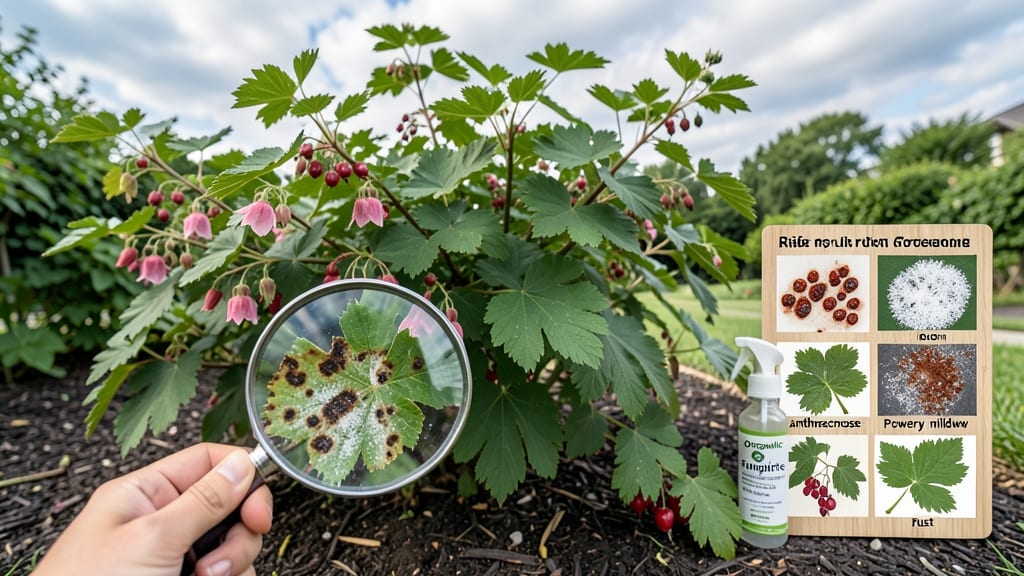
Your red currant bushes are screaming for help when those leaves turn yellow, spot, or crumple—red currant leaf disease can turn a thriving plant into a shadow of itself in weeks. 🌿 I’ve watched powdery mildew blanket my bushes by midsummer, rust spots spread like wildfire, and bacterial blight twist leaves into useless slime.
The good news? Catching it early and acting fast can save your harvest—and your sanity.
Most leaf diseases start with poor airflow or overwatering, creating the perfect damp, shaded conditions fungi love. Powdery mildew leaves a dusty white coating, rust shows up as orange pustules on undersides, and bacterial blight causes dark, water-soaked spots that ooze when touched.
The moment you see these, prune infected leaves immediately—don’t compost them—and space your bushes wider next year to let air circulate.
For existing infections, neem oil or copper fungicide (applied every 7–10 days) can stop the spread. Mix 1 tablespoon of neem oil with a teaspoon of mild soap in a gallon of water, spray undersides of leaves, and repeat until new growth appears clean.
Prevent future outbreaks by watering at the base (never overhead) and choosing disease-resistant varieties like ‘Red Lake’ or ‘Consort.’
With these three steps—spot, prune, and protect—your red currants can bounce back stronger than ever. The key is acting before the disease takes over, so grab your pruners and check those leaves this week. Your bushes will thank you at harvest time.
Underlying Causes Explained
Red currant leaf diseases—particularly those caused by fungal pathogens—don’t strike randomly. They thrive when specific conditions align, turning your prized shrubs into a buffet of decay. Understanding the why behind these outbreaks is your first line of defense.
Below, we break down the key triggers, from environmental factors to human habits, so you can nip them in the bud before they spread.
Most red currant leaf diseases, like Pseudopeziza ribis (white leaf spot) or Cercospora ribicola (target spot), are caused by fungi. These microscopic organisms are always present in gardens but only become problematic when:
- Moisture levels spike: Fungi love humidity. Overhead watering, dense foliage that traps moisture, or prolonged rainy seasons create the perfect breeding ground. Pseudopeziza ribis, for example, thrives in wet, cool conditions, often appearing after spring rains.
- Leaves stay damp for long periods: Fungal spores germinate within 6–12 hours of prolonged leaf wetness. Even morning dew can be enough if airflow is poor. Actionable fix: Water in the morning and avoid overhead sprinklers.
- Old infected debris lingers: Fungal spores overwinter in fallen leaves, mummified fruit, or pruned branches. When spring arrives, they launch a new attack. Pro tip: Remove and dispose (not compost) infected plant material—never leave it near your currants.
Fungal diseases don’t just appear—they’re often invited by weather patterns. Pay attention to these red flags:
| Condition | How It Helps Fungi | What to Watch For |
|---|---|---|
| Cool, wet springs | Slows plant growth, weakening defenses while fungi multiply rapidly. | White or gray spots appearing on leaves within 2–3 weeks of rain. |
| High humidity (70%+) | Fungal spores disperse more easily via airborne moisture. | Diseases spreading quickly between plants, even in shaded areas. |
| Sudden temperature swings | Stresses plants, making them more susceptible to infection. | Yellowing leaves followed by dark, water-soaked spots. |
💡 Prevention hack: Choose disease-resistant currant varieties (e.g., 'Red Lake' or 'Consort') if your climate is persistently damp.
Sometimes, the problem isn’t nature—it’s us. Unintentional gardening mistakes can turn a healthy shrub into a disease magnet:
- Overcrowded plants: Tight spacing reduces airflow, trapping moisture and spores. Fungi like Cercospora spread 3x faster in dense thickets.
- Reusing contaminated tools: Pruners, shears, or even gloves can transfer spores from infected to healthy plants. ⚠️ Rule: Sterilize tools with 70% rubbing alcohol between uses.
- Ignoring pruning wounds: Rough cuts or leaving stubs create entry points for fungi. Always prune with clean, sharp tools and seal larger wounds with pruning sealant.
- Composting infected material: Home compost piles rarely reach the <140°F needed to kill fungal spores. ✨ Solution: Bag infected leaves in plastic and send them to a municipal green waste facility.
While fungi are the primary culprits, some pests hitch a ride and worsen the problem:
- Japanese beetles and aphids: Feed on stressed leaves, creating wounds where fungi can enter. Their sticky honeydew also promotes sooty mold growth.
- Slugs and snails: Their slime trails create microscopic damage, giving fungi a foothold. 🔥 Quick fix: Set up beer traps or diatomaceous earth barriers.
🎯 Key takeaway: Treat pest outbreaks immediately—they’re often the first sign of a larger disease risk.
Fixing Fungal Foliage Fails
Now that you’ve identified the issue—whether it’s powdery mildew, anthracnose, or leaf spot—it’s time to take action. The good news? With the right steps, you can revive your red currant bushes and prevent future outbreaks.
Below, we’ve mapped out practical fixes based on the root cause, plus prevention tips to keep your plants thriving.
Cause: Fungal spores thrive in damp, decaying debris. Fix:
- Remove infected leaves immediately—don’t compost them! Toss them in the trash (not your green bin) to prevent reinfection.
- Prune affected branches ½ inch below the infection to stop the spread.
- Sanitize tools with a 10% bleach solution (1 part bleach to 9 parts water) or 70% rubbing alcohol between cuts.
💡 Pro Tip: If the disease is severe, sterilize your pruners with a flame (like a propane torch) for extra protection.
Cause: Overhead watering or poor airflow fuels fungal growth. Fix:
- Water at the base (not the leaves) using drip irrigation or soaker hoses to keep foliage dry.
- Water early in the day (before 10 AM) so leaves have time to dry.
- Improve airflow by spacing plants 3–4 feet apart and thinning dense canes.
🌡️ Heat Hack: If humidity is high, use a fan on low speed near the plants for 10–15 minutes daily to dry leaves faster.
Cause: Existing spores need a chemical barrier to stop colonization. Fix:
- Preventative spray: Use a copper fungicide (like Copper Soap) or neem oil (mix 2 tbsp neem oil + 1 tsp mild soap per gallon of water) every 7–10 days during wet seasons.
- Curative spray: For active infections, switch to a sulfur-based fungicide (follow label rates) or baking soda spray (1 tbsp baking soda + 1 tsp oil + 1 gallon water).
- Reapply after rain—fungicides wash off easily!
⏰ Timing Tip: Spray at dawn or dusk to avoid burning leaves in direct sunlight.
Cause: Weakened plants are more susceptible to disease. Fix:
- Fertilize lightly with a balanced, organic fertilizer (like fish emulsion) in early spring to strengthen roots.
- Mulch with straw or wood chips (2–3 inches deep) to reduce soil splash onto leaves.
- Avoid nitrogen-heavy fertilizers—they promote lush growth but weaken disease resistance.
💪 Growth Boost: Add compost tea (homemade or store-bought) to the soil to enhance microbial activity and plant immunity.
Once your plants recover, prevent reinfection with these habits: ✅ Rotate crops—don’t plant red currants in the same spot for 3+ years. ✅ Choose resistant varieties like ‘Red Lake’ or ‘Consort’ if fungal diseases are recurrent. ✅ Monitor regularly—check undersides of leaves (a hotspot for spores) weekly. ✅ Winter prep: In fall, rake up fallen leaves and disinfect garden tools before storage.
Final Note: Patience is key—some severe cases may take 2–3 growing seasons to fully recover. But with consistent care, your red currant bushes will bounce back stronger than ever! 🌿💚
Frequently asked questions about red currant leaf disease
What are the first signs of red currant leaf disease I should watch for?
Start by checking the undersides of leaves for white powdery coatings (powdery mildew) or orange-brown pustules (rust). Dark, water-soaked spots that ooze when touched indicate bacterial blight. Early detection is key—act within 3-5 days of spotting symptoms to prevent spread.
Can I still harvest fruit from diseased red currant bushes?
Only if the disease is confined to leaves and hasn't reached the fruit. Remove all infected leaves and fruit within 6 inches of visible symptoms. For severe cases like bacterial blight, destroy affected fruit immediately to prevent cross-contamination. Never harvest from bushes with oozing lesions.
How often should I spray fungicide if my red currants keep getting infected?
Apply a preventative spray like neem oil or copper fungicide every 7-10 days during wet seasons (spring/fall). For active infections, switch to a sulfur-based fungicide and reapply after rain or heavy dew. Consistency matters—skip a week and spores will multiply rapidly.
Will pruning alone cure red currant leaf disease?
Pruning removes infected areas but won't cure the disease—it's just one part of treatment. Always combine pruning with fungicide sprays and improved airflow. Remove infected leaves immediately and dispose of them in sealed bags (not compost). The key is breaking the fungal cycle at all stages.
Are there any organic fungicides that work better than chemical ones?
Yes! Baking soda spray (1 tbsp baking soda + 1 tsp oil + 1 gallon water) works well for powdery mildew. For rust, try a milk spray (1 part milk to 9 parts water) applied every 2 weeks. While organic options are gentler, they require more frequent applications than chemical fungicides.