
Shrubs
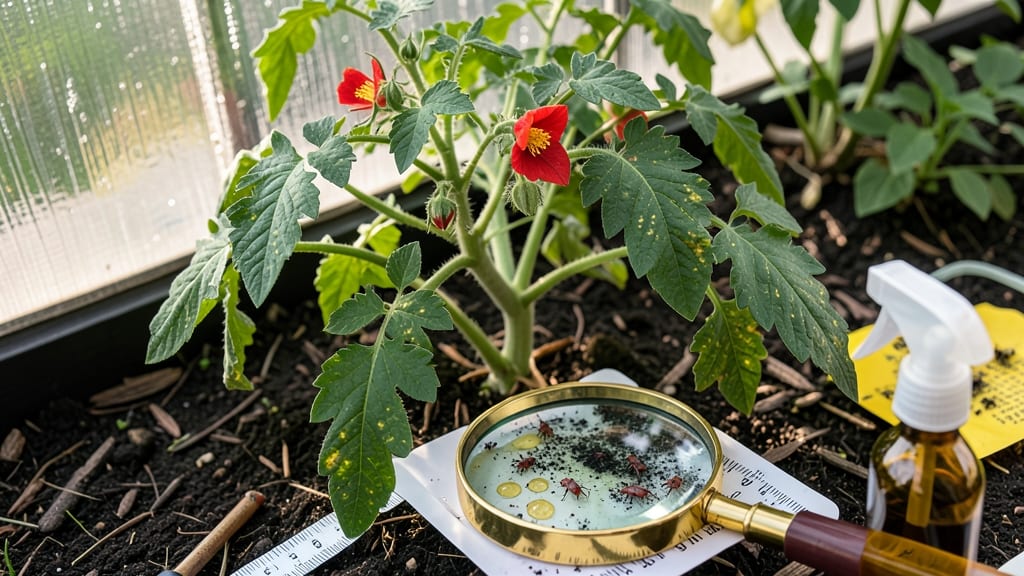
The red banded leaf hopper is the tiny pest that turns your citrus trees into sooty-molded messes in weeks. 🌿 I’ve battled these striped invaders on my Meyer lemon tree, and the damage—stippled leaves, curled growth, and black fungal grime—can feel like a death sentence for your plants.
But there’s a copper-free organic spray that stops them in their tracks within 7 days, without harming bees or your soil.
These hoppers thrive in warm, dry conditions, and they’re drawn to new growth like moths to a flame—especially on citrus, ornamentals, and even veggies like beans. The key to control isn’t just spraying; it’s timing.
You’ll need to hit them when they’re nymphs (tiny, wingless, and clustered on undersides of leaves), before they mature into the red-and-black-striped adults that wreak havoc. A mix of neem oil, insecticidal soap, and kaolin clay creates a barrier they can’t cross.
By day 3, you’ll see the hoppers dropping like flies, and within a week, new growth will emerge clean and vibrant. The spray works because it disrupts their feeding, starves them out, and prevents that nasty sooty mold from taking hold.
Plus, it’s safe for your plants—no copper burn, no chemical residue, just healthy foliage.
Prevention is even easier: introduce ladybugs, lacewings, or parasitic wasps to your garden. They’re the hoppers’ natural predators, and once established, they’ll keep populations in check year-round. For heavy infestations, repeat the spray every 5-7 days until the new growth is free of pests. Your plants will thank you.
Root Causes Of Plant Damage
Understanding why these tiny pests target your plants—and how they thrive—is the first step to stopping them. The red-banded leaf hopper (or Graphocephala coccinea) doesn’t just appear out of nowhere; its presence is often tied to specific environmental and plant-related triggers.
Let’s break down the key reasons these sap-sucking insects become a problem in your garden or landscape.
---
Healthy plants are naturally resilient, but when they’re stressed, they become prime targets for leaf hoppers. Here’s why:
- Poor Circulation – Dense foliage traps moisture, creating a humid microclimate that leaf hoppers love.
Overgrown shrubs or tightly packed plants (like hibiscus, roses, or fruit trees) limit airflow, making it easier for pests to hide and multiply. - Nutrient Deficiencies – Plants lacking nitrogen, phosphorus, or potassium weaken their defenses.
Leaf hoppers detect these deficiencies and zero in on vulnerable spots, often starting at new growth tips where sap is most accessible. - Root Stress – Compacted soil, drought, or overwatering weaken roots, reducing the plant’s ability to fight off pests.
A struggling plant emits volatile organic compounds (VOCs) that attract leaf hoppers like a dinner bell.
✨ Pro Tip: Prune regularly to improve airflow, and conduct a soil test to address nutrient imbalances before pests arrive.
---
These pests thrive in tropical and subtropical conditions, but even temperate regions can see outbreaks during warm, damp spells. Here’s how climate plays a role:
- Temperature Preferences – Leaf hoppers are most active when daytime temps hover between 75–90°F (24–32°C).
Cooler nights slow them down, but prolonged heat waves accelerate their reproduction cycle. - Humidity & Rainfall – High humidity keeps their eggs from drying out, while light rain washes away natural predators (like lacewings or spiders) that would otherwise keep their populations in check. - Sudden Weather Shifts – After a dry spell, a heavy downpour can trigger a population explosion as nymphs hatch en masse from dormant eggs.
💡 Quick Fix: Monitor weather forecasts and act fast—if a heatwave or rainstorm is predicted, treat susceptible plants preemptively with organic sprays.
---
In a balanced ecosystem, leaf hoppers are kept in check by beneficial insects and birds. When these predators disappear, the pests take over. Common disruptions include:
- Overuse Of Broad-Spectrum Pesticides – Chemicals like neonicotinoids or pyrethroids kill both pests and their natural enemies (e.g., ladybugs, parasitic wasps, or birds).
This creates a pesticide-induced vacuum, allowing leaf hopper populations to skyrocket. - Monoculture Landscaping – Planting the same species in large blocks (e.g., a row of azaleas) removes habitat diversity, reducing the variety of predators that can control leaf hoppers. - Urbanization & Habitat Loss – As natural landscapes shrink, birds and insects lose nesting/feeding grounds, weakening the biological control network.
🎯 Action Step: Introduce pollinator-friendly plants (like dill, fennel, or milkweed) to attract beneficial insects, or install birdhouses to encourage feathered pest controllers.
--- Bringing in uninspected nursery stock is a fast track to a leaf hopper infestation. Here’s how it happens:
- Hidden Eggs & Nymphs – Adult leaf hoppers lay eggs in plant crevices, under leaves, or on stems. These can go undetected during a quick visual check, especially in dense foliage. - Contaminated Soil or Pots – Potting mix from infested plants may carry eggs or nymphs.
Even "clean" plants can harbor pests if they were grown near infected hosts. - Hitchhiking on Tools – Pruners, clippers, or even your hands can transfer leaf hoppers from one plant to another during gardening tasks.
🔥 Prevention Tip: Quarantine new plants for 2–4 weeks, inspect them thoroughly (especially undersides of leaves), and avoid planting near known hotspots until they’re pest-free.
--- Leaf hoppers don’t attack randomly—they follow a predictable seasonal pattern:
| Season | What’s Happening | Why It’s Risky | |------------------|------------------------------------------------------------------------------------|------------------------------------------------------------------------------------| | Spring | Eggs hatch into nymphs after winter dormancy. | New growth is tender and high in sap—an all-you-can-eat buffet for nymphs. | | Early Summer | Rapid reproduction; adults migrate to new hosts. | Populations peak when food sources (like fruit trees or flowers) are abundant. | | Late Summer | Overcrowding leads to increased damage as plants weaken. | Stressed plants become more susceptible to secondary infections (e.g., sooty mold). | | Fall | Adults lay eggs for next season; some overwinter in leaf litter or bark crevices. | Eggs can survive winter in protected microclimates, ensuring next year’s infestation. |
⏰ Timing Is Everything: Target treatments before spring flush or after summer heat waves to disrupt their life cycle.
Practical ways to stop sap-sucking pests
Discovering tiny pests like red banded leaf hoppers feasting on your shrubs can feel like a losing battle—but with the right strategies, you can reclaim your plants in no time. These sap-sucking insects leave behind sticky residue, curled leaves, and weakened growth, but the good news?
You don’t need harsh chemicals to win. Below, we’ve broken down targeted solutions based on the root cause of your infestation, along with preventive steps to keep them from returning.
If your shrubs are already covered in sticky honeydew and drooping leaves, act fast to prevent further damage.
- 🍳 Prune Infested Areas
Snip off heavily damaged leaves and stems using clean, sharp pruners. Dispose of the clippings in a sealed bag—do not compost them, as eggs may still be present.
- 👨🍳 Blast Them Off with Water
A strong spray of water (from a hose or pressure nozzle) can dislodge adults and nymphs. Focus on the undersides of leaves where they hide. Repeat every 3–4 days for 2 weeks to break their life cycle.
- 🔪 Trap with Yellow Sticky Cards
Place yellow sticky traps near affected plants to catch hoppers in flight. Replace them weekly for maximum effectiveness.
For a copper-free, eco-friendly approach, these sprays disrupt the pests’ feeding and reproduction without harming beneficial insects.
| Solution | How to Apply | When to Use |
|---|---|---|
| Neem Oil Spray (1% solution) | Mix 2 tbsp neem oil + 1 tsp mild soap in 1 quart of water. Spray thoroughly on both leaf surfaces, including stems. | Early morning or evening (avoid direct sunlight). Repeat every 5–7 days for 3 weeks. |
| Kaolin Clay Spray | Combine 2 tbsp kaolin clay powder with 1 gallon of water. Add a drop of dish soap as a sticker. Shake well before spraying. | Apply when hoppers first appear. Reapply after rain. |
| Garlic or Chili Pepper Spray | Blend 1 cup garlic/chili pepper + 1 quart water. Strain, add 1 tsp soap. Spray directly on pests and leaves. | Use in the evening to avoid burning plants. Repeat weekly. |
A healthy shrub is less appealing to pests. Strengthen your plants’ defenses with these low-effort tactics:
- 💡 Water Deeply at the Base
Overhead watering encourages fungal growth and attracts hoppers. Instead, water slowly at the soil level to promote strong roots.
- 🎯 Mulch with Organic Matter
Spread 2–3 inches of wood chips or straw around the base (but not touching stems) to retain moisture and deter pests.
- 🌱 Introduce Beneficial Insects
Ladybugs, lacewings, and parasitic wasps prey on leaf hoppers. Purchase them online or attract them with native flowering plants like dill or fennel.
Break the cycle with these proactive habits:
- 🔍 Inspect New Plants
Quarantine newly purchased shrubs for 2 weeks before introducing them to your garden. Check undersides of leaves for eggs or tiny hoppers.
- 🍃 Clean Up Debris
Remove fallen leaves, weeds, and old mulch where hoppers overwinter. Focus on areas near fences or walls, their favorite hiding spots.
- 🌿 Rotate Sprays
Pests build resistance to single treatments. Alternate between neem oil, kaolin clay, and insecticidal soap every other week.
With consistent effort, your shrubs can bounce back in 7 days or less. The key? Act fast, stay vigilant, and let nature do the heavy lifting with organic tools. Your garden will thank you!
Frequently asked questions about red banded leaf hoppers
What do red banded leaf hoppers look like?
Adults are tiny (1/4-inch long) with striking red and black stripes on their backs. Nymphs are smaller, wingless, and yellowish-green. Look for clusters on leaf undersides—especially near new growth.
Which plants do they attack most?
They love citrus trees, ornamentals (hibiscus, roses), and vegetables (beans, peppers). The sticky honeydew they leave attracts sooty mold, which blackens leaves.
How quickly can they destroy a plant?
Within 2-3 weeks of heavy infestation, leaves curl, growth stunts, and sooty mold forms. Act fast—neem oil sprays can stop them in 7 days if applied consistently.
Are they harmful to humans or pets?
No direct harm, but their honeydew can stain surfaces and attract ants. The real danger is plant damage—weakened plants become vulnerable to disease.
Can I use soap sprays on them?
Yes! Mix 1 tablespoon mild soap with 1 quart water and spray directly on hoppers. Reapply every 3-4 days until gone. Avoid harsh detergents that harm plants.