
Planting
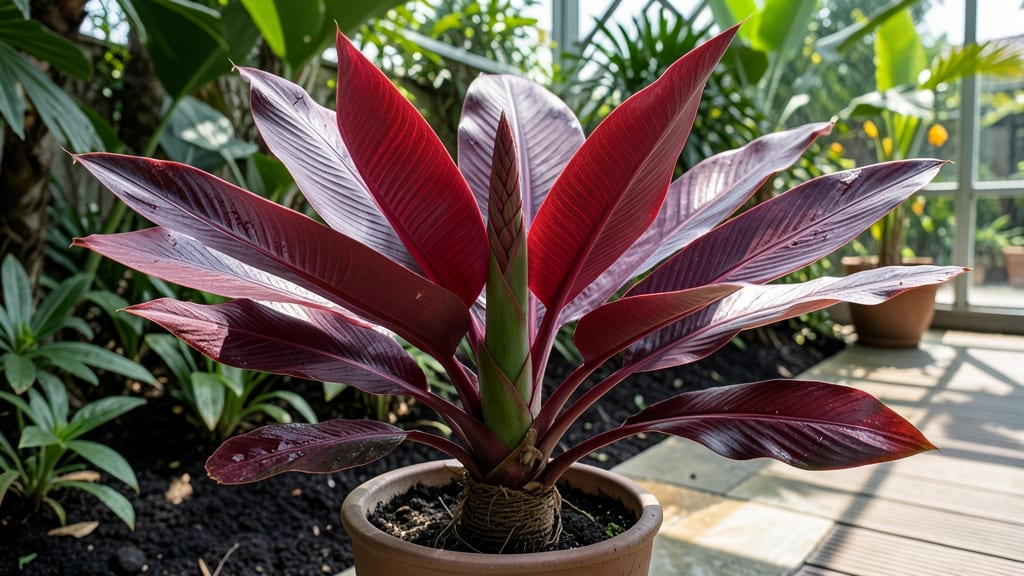
Your living room could look like a tropical paradise with the red banana leaf plant—its bold, velvety leaves bring instant drama. 🌿 I’ve grown these for years, and they’re shockingly low-maintenance once you know the secrets, like the perfect balance of humidity and indirect light that keeps them thriving.
The key is mimicking their natural rainforest habitat: bright, filtered light (no harsh sun), consistently moist but never soggy soil, and humidity levels that’ll make your bathroom feel like the jungle. Most people overwater, which is why their leaves turn yellow—we’ll fix that in a minute.
By summer, you’ll have a plant that grows tall enough to frame your windows, with leaves that shimmer like polished mahogany. The best part? It purifies the air while doing it, making your space feel fresher and more vibrant.
Works equally well in sunrooms, kitchens, or bathrooms—just adjust the light and humidity to match where you place it.
📚 In This Guide
- What you need
- Instructions
- Tips and common mistakes
- Wrapping up and next steps
What you need
- ● Red Banana Leaf Plant (Musa velutina) – A healthy, mature plant (6–12 inches tall) from a nursery or trusted seller. Pro tip: Look for plants with vibrant, deep red-purple leaves and firm stems!
- ● 10–12 inch pot – Use a terracotta or ceramic pot with drainage holes (1–2 per pot). Size matters: Ensure it’s slightly larger than the plant’s root ball for growth room.
- ● Well-draining potting mix – A blend of 50% peat moss or coco coir, 30% perlite or pumice, and 20% compost. Avoid heavy garden soil!
- ● Gravel or pebbles – Small stones (¼–½ inch) for the pot’s drainage layer (1–2 inches deep).
- ● Spray bottle – For gentle misting (especially in dry climates).
- ● Watering can with a narrow spout – To avoid over-saturating the soil.
- ● Humidity tray – A shallow tray with pebbles and water to boost moisture levels (great for dry indoor air!).
- ● Fertilizer – A balanced liquid fertilizer (10-10-10) or organic compost tea for slow feeding.
- ● Plant support stake – If your plant grows tall, a bamboo or metal stake can help stabilize it.
- ● Decorative pot cover – A stylish outer pot (without drainage holes) to match your home decor!
Step-by-Step instructions for growing a red banana leaf plant indoors
Here's how to nurture this stunning tropical plant into a lush, leafy statement piece.
🪴 Step 1: Choose the Right Pot and Soil
Start with a 6-8 inch diameter pot that has drainage holes—red banana plants hate soggy roots. I like terracotta because it breathes and helps prevent rot. Fill the bottom 1 inch with orchid bark mix or perlite to improve drainage, then add high-quality potting soil mixed with 20% peat moss for moisture retention.
Press the soil down gently but firmly—you want it loose enough for roots to spread but compacted enough to support the plant's height. The soil should feel like a damp sponge when squeezed, not dripping wet. If you're repotting an existing plant, choose a pot just 2 inches larger in diameter than its current container to avoid overwhelming the root system.
🌱 Step 2: Plant and Position for Light
Remove the red banana plant from its nursery pot and gently loosen the roots if they're circling. Place it in the center of your new pot and fill in around the sides with the prepared soil mix, pressing lightly to eliminate air pockets. Water thoroughly until water runs out the drainage holes, then let it drain completely.
This plant craves bright, indirect light—think east or west-facing windows, or 6-8 feet from a south window. Direct sun will scorch those gorgeous red leaves, while too little light causes them to lose their vibrant color. If your space is dim, supplement with a grow light kept 12-18 inches away for 12-14 hours daily. You'll know the light is right when the leaves stay a consistent deep red without yellowing.
💧 Step 3: Master the Watering Routine
Water when the top 1-2 inches of soil feel dry—stick your finger in to check. Red banana plants prefer to dry out slightly between waterings, which prevents root rot. When you water, soak the soil until water flows from the drainage holes, then empty the saucer to avoid sitting water. I water mine every 5-7 days in spring/summer, but reduce to every 10-14 days in winter when growth slows.
Here's the thing—this plant is drought-tolerant but hates soggy conditions. If you overwater, the leaves will start yellowing at the edges, then brown. Underwatering causes crispy leaf tips. The sweet spot is when the leaves stay plump and the soil feels like a wrung-out sponge. Mist the leaves occasionally to increase humidity, especially in dry winter months when indoor air gets crisp.
☀️ Step 4: Feed and Prune for Healthy Growth
Start fertilizing in spring with a balanced liquid fertilizer (10-10-10) diluted to half-strength. Feed every 4-6 weeks during the growing season (spring through fall), then reduce to monthly in winter. I always fertilize after watering to prevent root burn. You'll see new growth within 2-3 weeks if the plant is happy.
Prune in late winter or early spring to shape the plant and encourage bushier growth. Use clean, sharp scissors to trim back leggy stems to just above a leaf node. Remove any yellow or brown leaves immediately—they drain energy from the plant. Never cut more than 1/3 of the plant at once, or you'll shock it. After pruning, give it a light feeding to help it recover and produce fresh, vibrant growth.
⏰ Step 5: Monitor and Adjust Year-Round
Watch for pests like spider mites or mealybugs, which love the dusty environment on large leaves. Wipe leaves with a damp cloth weekly to remove dust and deter pests. If you spot pests, treat with neem oil or insecticidal soap immediately. Red banana plants are generally pest-resistant, but neglect leads to infestations.
Every 2-3 years, repot into a container just 2 inches larger to refresh the soil and give roots room. Spring is the best time—new growth will help the plant adjust. If your plant outgrows its space, it's better to propagate a cutting than keep it cramped. Take 4-6 inch cuttings from healthy stems, dip in rooting hormone, and place in moist perlite until roots form (3-4 weeks).
Tips & tricks for perfect red banana leaf plant care
Between us, these tropical beauties are easier to grow than you think—but a few small tweaks make all the difference for that showstopping red foliage.
Soil Mix Secret: Don't just grab any potting soil! The 20% peat moss ratio in Step 1 is key for moisture retention, but I add a handful of worm castings too—it gives that extra boost of nutrients without overwhelming the plant. For repotting, use the 2-inch larger pot rule strictly; anything bigger creates soggy conditions faster. If you notice roots circling in Step 1, gently tease them apart before planting to encourage outward growth.
Lighting Hack: That 12-14 hour grow light recommendation in Step 2 is perfect, but here's what nobody tells you—rotate your plant quarter-turn daily. This prevents the leaves from leaning toward the light source and keeps that vibrant red color even across all leaves. If you're using natural light, east-facing windows give the gentlest morning sun without scorching risk.
Watering Wisdom: The "top 1-2 inches dry" rule in Step 3 is spot-on, but I check moisture by lifting the pot—it should feel light when dry. For winter care, reduce to every 10-14 days, but never let the soil dry out completely. The "wrung-out sponge" test works best when you squeeze a handful of soil; it should hold together but not drip. Pro tip: Use room-temperature water to avoid shocking the roots.
Pruning Pro Tip: When you're trimming those leggy stems in Step 4, look for the leaf node—it's that little bump where leaves attach. Cutting just above it gives the plant energy to grow new branches from that exact spot. And here's my game-changer: After pruning, give the plant a lukewarm shower to wash away dust and pests while it recovers. The leaves will stay vibrant longer!
Pro Tips for Red Banana Leaf Plant
- Between us, these tropical beauties are easier to grow than you think—but a few small tweaks make all the difference for that showstopping red foliage.
- Soil Mix Secret: Don't just grab any potting soil!
- Lighting Hack: That 12-14 hour grow light recommendation in Step 2 is perfect, but here's what nobody tells you—rotate your plant quarter-turn daily.
Frequently asked questions
Got questions about keeping your red banana leaf plant happy and thriving? You’re not alone! Here are some of the most common queries—plus straightforward answers to help you grow with confidence.
How fast does a red banana leaf plant grow?
This tropical beauty grows at a moderate pace, adding 6–12 inches of new fronds per year under ideal conditions. With bright, indirect light and consistent moisture, you’ll see steady growth—though it’s not a speedy climber like some vines. Patience pays off with lush, vibrant foliage!
Why are the leaves turning yellow or brown?
Yellowing or browning leaves usually signal overwatering or underwatering. Check the top 1–2 inches of soil—if it’s soggy, cut back on water. If dry, soak the pot thoroughly. Red banana leaf plants prefer consistently moist but well-draining soil. Adjust your watering routine and monitor humidity (they love 50–70%!).
Can I grow this plant indoors without sunlight?
While this plant loves bright, indirect light, it can survive in low-light spots (like offices) if you supplement with a grow light 12–14 hours daily. Without extra light, growth slows, and leaves may lose their vibrant red hues. A sunny windowsill or grow bulb is your best bet for keeping it thriving indoors!
Is red banana leaf toxic to pets?
The ASPCA lists red banana leaf plants as non-toxic to cats and dogs. However, some pets may still nibble out of curiosity—keep an eye on them if your furry friend is a plant chewer. For extra safety, place it out of reach, especially if your pet has a sensitive stomach.
What’s the best way to propagate red banana leaf?
Propagation is easiest via division or stem cuttings. For division, gently separate the plant at the base during repotting. For cuttings, snip a healthy stem with roots, plant it in moist soil, and keep it humid until new growth appears (4–6 weeks). Pro tip: Use a rooting hormone to boost success!
How cold can a red banana leaf plant tolerate?
These tropical plants hate cold drafts and struggle below 55°F (13°C). Keep them away from AC vents, doors, or windows in winter. If temps drop further, move them indoors or provide a heating mat for container plants. Yellowing leaves in winter? It’s likely a cry for warmth!
Wrapping up and next steps
The red banana leaf plant isn’t just a stunning tropical accent—it’s a low-maintenance, air-purifying superstar for your home! 🌿 With its vibrant foliage and easy-care nature, it’s the perfect way to bring a touch of the jungle indoors without the fuss.
Whether you’re a seasoned plant parent or just starting, this beauty rewards patience with lush, velvety leaves that’ll make your space feel alive.
Ready to level up your plant game? Start by picking up a red banana leaf plant (or propagating one!) and give it a cozy spot near a bright window. Pro tip: Snap a photo of your progress—watching it thrive is half the fun! 📸✨