
Planting
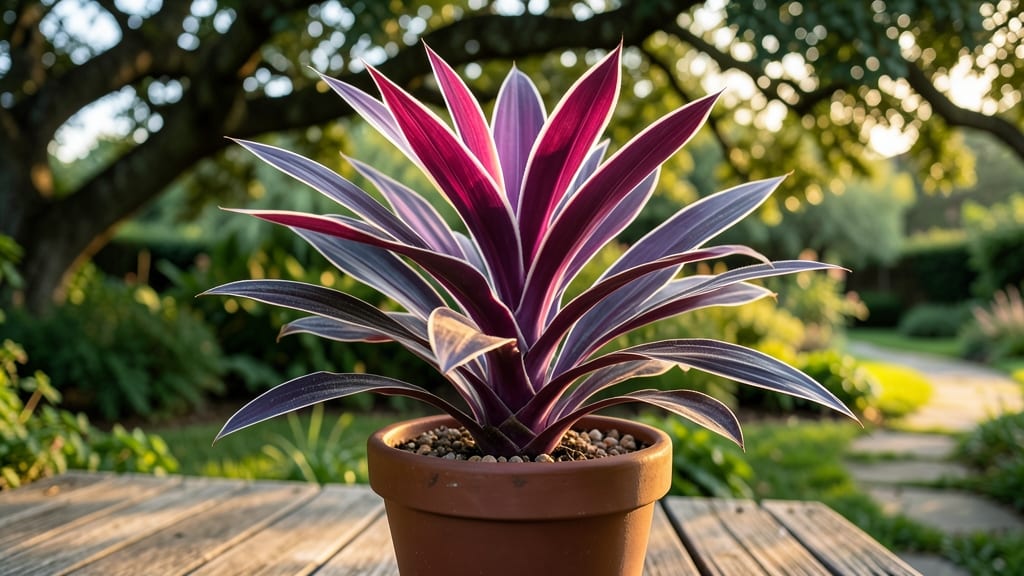
Your home deserves a plant that brings drama without demanding sunlight. 🌿 The purple long-leaf plant—with its striking, velvety foliage—thrives in shady corners where most plants struggle, making it the perfect statement piece for indoor spaces or lightly shaded outdoor spots.
This plant’s secret lies in its adaptability: it handles low light better than most, prefers well-draining soil that stays slightly moist but never soggy, and grows best in temperatures between 60-75°F.
Varieties like Tradescantia pallida (purple heart) or Alocasia polly (elephant ear) bring bold purple hues that transform any room into a lush, vibrant space.
With just a few adjustments—like occasional pruning to encourage bushier growth and propagation through stem cuttings—you’ll watch this plant flourish. The deep purple leaves stay vibrant year-round, offering a rich contrast to green plants and brightening even the dimmest corners.
Whether you’re a beginner or a seasoned plant parent, this low-maintenance beauty proves that stunning foliage doesn’t require a sun-drenched windowsill. Here’s how to keep yours thriving for years to come.
📚 In This Guide
- What you need
- Instructions
- Tips and common mistakes
- Wrapping up and next steps
What you need
- ● Purple long leaf plant: 1 healthy specimen (choose a variety like Dracaena sanderiana ‘Purple’ or Aglaonema ‘Silver Queen’ for striking foliage).
- ● Well-draining potting mix: 1 bag (5-10 quarts) of a peat-based or coconut coir mix blended with perlite or orchid bark (1:1 ratio for aeration). Pro tip: Add a handful of orchid bark (½ cup) to improve drainage!
- ● Pot with drainage holes: 1 container (8–12 inches in diameter) with 3+ drainage holes to prevent root rot. Terracotta or ceramic pots work best!
- ● Watering can or spray bottle: 1 (with a rose nozzle for gentle watering).
- ● Balanced liquid fertilizer: 1 bottle (10-10-10 or 20-20-20 NPK ratio) for monthly feeding during growing season.
- ○ Gloves (optional): 1 pair (to protect hands from sharp leaf edges).
- ● Pruning shears: 1 pair (for trimming yellow leaves or leggy stems).
- ● Humidity tray or pebble tray: 1 (to boost humidity in dry indoor spaces—fill with pebbles and water).
- ○ Grow lights (optional): 1–2 LED full-spectrum bulbs (if natural light is <500 lumens/ft²).
- ○ pH testing kit (optional): 1 (to check soil acidity; ideal range: 5.5–6.5).
Step-by-step guide to growing stunning purple long leaf plants
Here's how to cultivate this striking foliage plant indoors—no green thumb required.
🌱 Step 1: Select the Right Purple Long Leaf Variety
Purple long leaf plants (often Dracaena marginata 'Colorama' or similar cultivars) thrive with minimal fuss. Look for healthy specimens with vibrant purple-red leaves and sturdy stems—avoid plants with brown tips or yellowing foliage, as these signal stress or poor care. I always opt for 6- to 12-inch plants from reputable nurseries, as they've already established strong root systems.
If starting from cuttings, choose a healthy stem with at least 3-4 leaves. Use a clean, sharp knife to make a diagonal cut just below a leaf node, then let the cutting callus over for 24 hours before planting. This prevents rot and encourages root growth.
🪴 Step 2: Prepare the Ideal Container and Soil Mix
Use a well-draining pot with drainage holes—terracotta or ceramic works best. The container should be 2-3 inches wider than the plant's root ball to allow for growth. I like to use a mix of 50% peat-based potting soil and 50% perlite or orchid bark for aeration. This blend prevents soggy roots, which can cause the dramatic purple foliage to fade.
Fill the pot halfway with the soil mix, then gently remove the plant from its nursery container. Loosen the roots if they're tightly bound, and place the plant in the pot so the top of the root ball sits 1 inch below the rim. Fill the remaining space with soil, pressing lightly to eliminate air pockets. Water thoroughly until moisture drains from the bottom holes.
☀️ Step 3: Position for Low-Light Success
Purple long leaf plants tolerate low to bright indirect light, making them perfect for offices or north-facing rooms. Place your plant near a window where it receives 4-6 hours of indirect sunlight daily. Avoid harsh direct sun, which can scorch the leaves and dull their vibrant purple hues.
If your space lacks natural light, supplement with a grow light positioned 12-18 inches away for 12-14 hours daily. You'll notice the leaves staying richly colored and growing upright—any leaning toward the light means it needs to move closer or stay on longer.
💧 Step 4: Master Watering for Long-Term Health
Water when the top 1-2 inches of soil feel dry to the touch. Stick your finger in the soil—if it's damp, wait another day. Overwatering is the #1 killer of these plants, causing root rot and yellowing leaves. I water deeply until moisture runs from the drainage holes, then empty the saucer to prevent soggy roots.
Mist the leaves occasionally to boost humidity, especially in dry indoor air. Dust the leaves with a damp cloth monthly—their glossy foliage traps dust, which blocks light absorption. Purple long leaf plants are drought-tolerant but thrive with moderate moisture, so consistency is key.
✂️ Step 5: Prune and Encourage Bushier Growth
Trim leggy stems to encourage fuller growth. Use clean pruning shears to cut just above a leaf node, where new growth will sprout. I prune in early spring to shape the plant and remove any yellow or damaged leaves. You can also propagate these cuttings—place them in water or fresh soil to root.
Rotate the pot quarter-turn weekly so the plant grows evenly toward the light. Fertilize lightly every 4-6 weeks in spring and summer with a balanced liquid fertilizer (10-10-10). Skip fertilizing in fall and winter, as the plant enters a slower growth phase. This keeps the foliage vibrant without burning the roots.
Tips & tricks for perfect purple long leaf plant care
These pro tips will help you keep your purple long leaf plant thriving with vibrant foliage and minimal effort.
Selection Tip: When choosing a purple long leaf plant, inspect the undersides of leaves for hidden insect activity—a common issue with new plants. I've found that nursery plants often have spider mites on the undersides, so give them a quick wipe with a damp cloth before bringing them home. This simple step prevents future infestations that can dull those stunning purple hues.
Root Health Strategy: The 24-hour callusing period for cuttings is non-negotiable—it's the difference between successful propagation and root rot. After making your diagonal cut, place the cutting on a paper towel in a warm, dry spot. This drying period hardens the cut end, making it more resistant to disease when you eventually plant it in moist soil.
Lighting Hack: For the 4-6 hours of indirect light requirement, position your plant about 2 feet from an east-facing window during winter months when sunlight is weaker. If you notice the leaves losing their vibrant purple color, they're getting too much direct sun—move it back another foot. The goal is to maintain that rich coloration while preventing leaf burn.
Fertilizer Timing: The 4-6 week fertilization schedule is perfect, but here's the secret: always dilute your 10-10-10 fertilizer to half-strength during the first application after repotting. This gives your plant time to adjust to its new environment without chemical shock. I've seen plants develop brown tips when shocked with full-strength fertilizer too soon after repotting.
Pro Tips for Purple Long Leaf Plant
- These pro tips will help you keep your purple long leaf plant thriving with vibrant foliage and minimal effort.
- Selection Tip: When choosing a purple long leaf plant, inspect the undersides of leaves for hidden insect activity—a common issue with new plants.
- Root Health Strategy: The 24-hour callusing period for cuttings is non-negotiable—it's the difference between successful propagation and root rot.
Frequently asked questions
Got questions about caring for your purple long leaf plant? You’re not alone! Here are some of the most common queries—plus expert tips to keep your plant thriving in low-light spaces.
How do I tell if my purple long leaf plant is getting enough light?
The purple long leaf plant (often Dracaena marginata or Aglaonema varieties) thrives in bright, indirect light but can tolerate low-light conditions. Look for dull, pale leaves or stretched-out growth—signs it needs more light. Rotate the pot occasionally to ensure even exposure. If leaves turn yellow or crispy, it may be getting too much direct sun.
How often should I water my purple long leaf plant?
Water when the top 1-2 inches of soil feel dry—typically every 1-2 weeks, depending on humidity and temperature. Overwatering is the #1 killer! Use a pot with drainage holes and avoid letting it sit in soggy soil. Yellow leaves often mean overwatering, while brown, crispy tips could signal underwatering or dry air.
Why are the tips of my purple long leaf plant turning brown?
Brown tips are usually caused by low humidity or fluoride in tap water. Try these fixes:
- Mist leaves 2-3 times a week or use a pebble tray with water.
- Use filtered or distilled water to avoid chemical buildup.
- Trim dead tips with clean scissors and avoid getting sap on your skin (it’s mildly irritating!).
Can I grow a purple long leaf plant from a cutting?
Yes! Propagate using stem cuttings:
- Cut a 4-6 inch section just below a node (where leaves grow).
- Remove lower leaves and let the cutting dry for 1-2 hours.
- Place in water or moist perlite—roots should appear in 2-4 weeks.
- Transplant to soil once roots are 1-2 inches long.
Pro tip: Use a rooting hormone to speed up growth!
What’s the best alternative if I can’t keep my purple long leaf plant alive?
If you’re struggling with low-light care, try these low-maintenance, purple-leaved plants:
- Purple Heart (Tradescantia pallida) – Hardy, trailing, and thrives in indirect light.
- Black Velvet Plant (Alternanthera dentata) – Deep purple foliage, drought-tolerant.
- Snake Plant (Sansevieria) – Nearly indestructible and purplish in some varieties.
All three handle neglect better than Aglaonema or Dracaena!
Wrapping up and next steps
The purple long leaf plant is a stunning, low-maintenance addition that breathes life into dim corners and adds a pop of color to your space. 🌿 With its striking foliage and adaptability, it’s perfect for both beginners and plant enthusiasts looking to elevate their indoor garden effortlessly.
Ready to bring home your own? Start by choosing the right pot and location, then follow the care tips shared here. Your purple long leaf plant will reward you with lush, dramatic growth—just give it a little love and patience! 💜