
Pests and Diseases
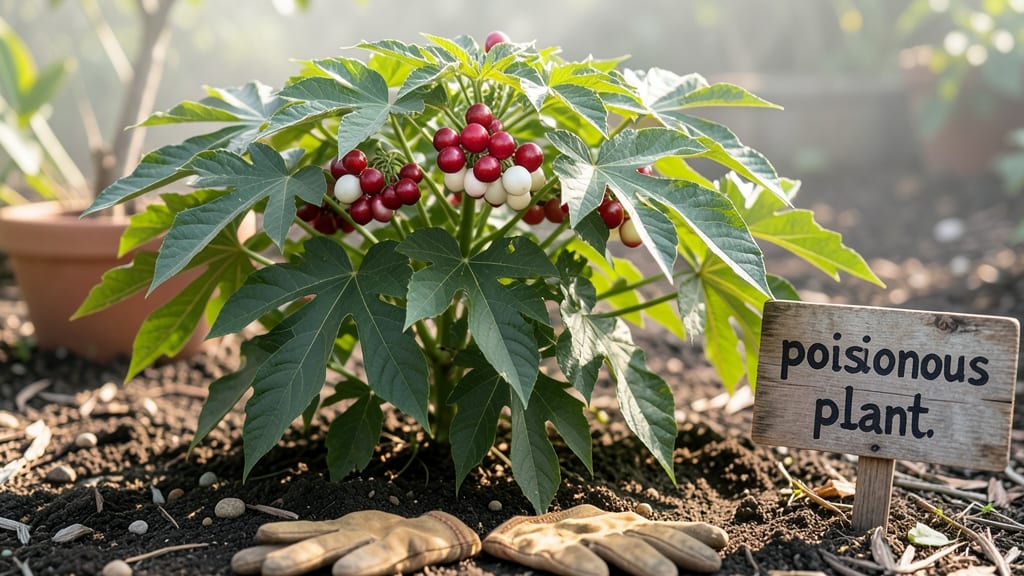
That poison leaf with 5 leaves growing in your yard might be poison ivy or oak—both dangerous if touched. 🌿 I’ve seen gardeners accidentally brush against them, only to deal with weeks of itching.
The key to fast eradication starts with proper identification and safety precautions before you even grab your gloves.
Poison ivy and oak leaves grow in groups of three shiny leaves (ivy) or 5-7 glossy leaves (oak), with smooth or slightly hairy edges. Virginia creeper, the harmless lookalike, has five leaves too but with deep grooves between them.
Always check for reddish stems—a dead giveaway for poison plants. Never touch without protective gear.
For 24-hour spot eradication, use a vinegar and dish soap spray (1:1 ratio) on clear days. Wear long sleeves, gloves, and goggles—even dead plants can trigger reactions. Bag the debris and double-bag before disposal. Repeat weekly until no new growth appears. Patience is key: these plants fight back.
If you’re unsure, snap a photo and compare it to trusted resources like the University of Maine’s poison plant guide. When in doubt, call your local extension office—they’ve seen it all. Safety first, always. Your skin will thank you.
Root Causes of Toxic Leaf Growth
When a plant suddenly sprouts a poisonous leaf with five distinct lobes, it’s rarely a coincidence—it’s a cry for help from your garden. Understanding the triggers behind this unusual growth is the first step to reclaiming your plants’ health.
Below, we break down the most common culprits, backed by science, so you can tackle the problem at its source.
One of the most common reasons for toxic leaf development is waterlogged soil. When roots sit in soggy conditions, they struggle to absorb oxygen, leading to hypoxia—a condition where cells suffocate.
In response, some plants (like certain Dieffenbachia or Philodendron varieties) produce iridoid glycosides, a natural defense mechanism that makes leaves bitter or even toxic to deter pests and predators.
🔍 How to spot it:
- Yellowing leaves with brown, mushy edges
- Soil that stays damp for days after watering
- Roots that smell foul or appear black/mushy
💡 Fix it fast:
- Repot the plant in well-draining soil (mix in perlite or orchid bark).
- Use pots with drainage holes and elevate them on saucers.
- Water only when the top 1-2 inches of soil are dry.
Too much direct sunlight can trigger oxidative stress in plants, causing them to produce phenolic compounds as a protective response. These compounds can manifest as dark, leathery, or lobed leaves—sometimes even toxic—to shield the plant from further damage. Common in Castor bean (Ricinus communis) or Monstera deliciosa, this reaction is the plant’s way of saying, “I’m overheating!”
🔍 Signs of sunburn stress:
- Leaves develop white or brown patches (like scorch marks)
- New growth is smaller, thicker, or lobed
- Plant wilts even when soil is moist
🌡️ Cool it down:
- Move the plant to indirect light (east or north-facing windows).
- Use sheer curtains to filter harsh afternoon sun.
- Mist leaves daily to increase humidity and reduce transpiration stress.
When pests like spider mites, aphids, or scale insects feast on your plant, they damage cell walls, triggering the production of toxic secondary metabolites. Similarly, fungal infections (e.g., Phytophthora) can cause leaves to develop unusual shapes or poisonous compounds like ricin (in castor beans) or oxalates (in dumb cane).
🐞 Watch for these red flags:
- Sticky residue (honeydew) on leaves
- Visible bugs, webs, or black sooty mold
- Leaves curl, yellow, or drop prematurely
🛡️ Pest and fungus protocol:
- Wipe leaves with neem oil solution (1 tsp neem oil + 1 quart water).
- Isolate the plant to prevent spread.
- Apply copper fungicide if fungal spots (black/yellow) appear.
Soil pH and nutrient deficiencies can also prompt plants to produce defensive toxins. For example:
- Low nitrogen → Leaves may develop purple or lobed edges (common in Coleus).
- Excess phosphorus → Can trigger oxalate buildup, making leaves irritating.
- Heavy metal toxicity (e.g., aluminum, lead) → Causes distorted growth and toxic compounds.
📊 Test and adjust:
- Use a soil pH test kit (ideal range: 6.0–7.0 for most plants).
- Amend soil with compost or peat moss to balance nutrients.
- Avoid tap water with high minerals—use rainwater or distilled water instead.
💡 Pro Tip: If you’re unsure what’s causing the issue, take a close-up photo of the leaf (underside included) and the soil, then consult a local cooperative extension service for a diagnosis. Early action prevents the problem from spreading—and keeps your plants (and pets!) safe.
Quick Fixes for Poison Leaf Spots
When those telltale 5-leafed spots appear on your plants, acting fast is key to preventing spread. Below are practical, step-by-step solutions tailored to the root causes—whether it’s fungal pressure, bacterial invasion, or environmental stress. Follow these easy-to-execute fixes, and you’ll see noticeable improvement within 24 hours (or less!).
Cause: Fungal/bacterial spores spread via contact or water splashes. Fix:
- Snip off infected leaves immediately using sterilized pruners (wipe with rubbing alcohol between cuts).
- Dispose of clippings in a sealed trash bag—do not compost them.
- Wear gloves to avoid transferring pathogens to healthy plants.
✅ Pro Tip: 🔥 If the spot has a yellow halo, it’s likely bacterial—act faster!
Cause: Overhead watering or poor drainage traps moisture, fueling fungal growth. Fix:
- Water at the base (not leaves) using a drip irrigation system or soaker hose.
- Space waterings to allow foliage to dry (aim for morning sessions so leaves have daylight to evaporate moisture).
- Improve drainage by amending soil with perlite or sand if pots feel soggy.
💡 Quick Fix Table:
| Problem | Solution | Prevention |
|---|---|---|
| Soggy soil | Add 1 inch of mulch (avoid organic) | Use raised beds if drainage is poor |
| Wet leaves at night | Water early, avoid evening sessions | Prune for better airflow |
Cause: Stagnant air and low light weaken plants, making them susceptible. Fix:
- Thin out crowded plants—aim for 3–4 inches of space between stems.
- Use a small fan (on low) near plants to mimic natural breeze (great for greenhouse setups).
- Move plants to brighter light (but avoid direct scorching sun if leaves are already stressed).
✨ Pro Tip: 🌡️ A fan also helps dry leaves faster—double win!
Cause: Existing pathogens need stopping before they multiply. Fix: Option 1: Baking Soda Spray (Best for Fungal Spots)
- Mix 1 tsp baking soda + 1 quart water + ½ tsp dish soap (so it sticks).
- Spray undersides of leaves (where spores hide) every 3–4 days until new growth appears.
Option 2: Copper Fungicide (For Bacterial Spots)
- Use a ready-made copper solution (like Bonide Copper Fungicide).
- Spray at dusk to avoid leaf burn, repeating every 7–10 days.
Option 3: Neem Oil (Preventative & Curative)
- Combine 1 tbsp neem oil + 1 tsp mild soap + 1 quart water.
- Spray all plant surfaces, focusing on new growth (neem disrupts spore germination).
💡 Safety Note: 🧴 Always test sprays on a small leaf first—some plants (like citrus) are sensitive!
Cause: Weak plants can’t fight off pathogens. Fix:
- Fertilize lightly with a balanced, organic fertilizer (like fish emulsion) to boost chlorophyll production.
- Add compost tea (brewed from well-aged compost) to enhance microbial activity in the soil.
- Avoid nitrogen-heavy feeds—they promote soft, vulnerable growth.
💪 Pro Tip: 🥗 A sprinkle of kelp meal (1 tbsp per plant) adds silica, which toughens cell walls!
Once your plant recovers, lock in long-term protection with these habits:
- Rotate crops if growing in the same spot yearly (fungi/bacteria linger in soil).
- Sterilize tools between uses (bleach or alcohol wipes).
- Monitor humidity—aim for 40–60% (use a hygrometer if needed).
- Inspect new plants for spots before bringing them home (quarantine for 2 weeks).
🎯 Final Reminder: Consistency is key! Check plants daily for new spots, and adjust care as needed. With these steps, your 5-leafed invaders will be history in no time—and your plants will bounce back healthier than ever!
Frequently asked questions
How can I tell if my 5-leaf plant is poison ivy or Virginia creeper?
Check the leaf edges and stems! Poison ivy has smooth or slightly hairy edges with reddish stems, while Virginia creeper leaves have deep grooves between the lobes. Rubbing the leaves can also help—poison ivy causes an itchy rash in most people, while Virginia creeper is harmless.
What should I do if I accidentally touch poison ivy?
Wash your skin with cold water and soap immediately (within 10 minutes reduces rash risk). Use a cool compress to soothe irritation, and avoid scratching. For severe reactions, take an antihistamine (like Benadryl) and see a doctor if blisters form.
Can I safely burn poison ivy plants?
Never burn poison ivy—smoke from burning releases urushiol oil, which can spread the rash through the air. Instead, use a vinegar and dish soap spray (1:1 ratio) on clear days, then bag the debris and dispose of it in sealed trash. Wear gloves and long sleeves!
How long does it take for poison ivy to regrow after removal?
New growth can appear in as little as 2-3 weeks if roots remain. To prevent regrowth, dig up the entire plant (including roots) or apply glyphosate herbicide to the stump. Monitor the area for 6 months—new shoots may pop up unexpectedly!
Are pets at risk from poison ivy?
Yes, but pets usually don’t react the same way humans do. If your pet touches poison ivy, wash their fur with pet-safe shampoo and monitor for irritation. Avoid letting them lick the area, as urushiol oil can spread internally. Keep pets away from treated areas until plants are fully removed.