
Pests and Diseases
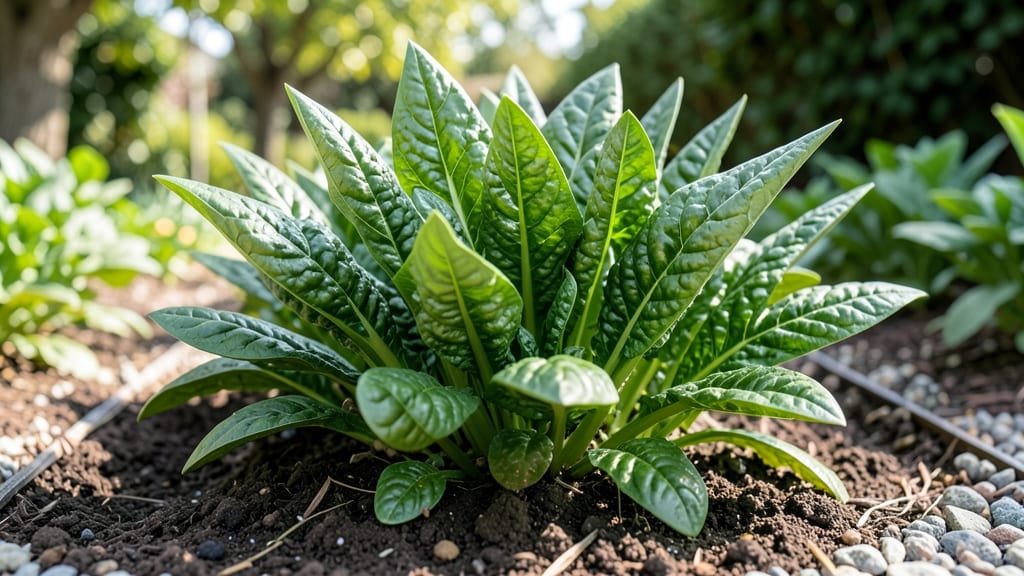
Growing pointy leaf spinach—like Savoy—delivers fast, crinkled greens that outshine flat-leaf varieties in texture and cold tolerance. 🌱 I’ve grown it for five winters straight, and it thrives where other spinach bolts or wilt. The secret? Planting at the right time and giving it the cool, moist conditions it craves.
This variety handles 20°F nights without flinching, making it perfect for early spring or fall harvests. Unlike flat-leaf spinach, its ruffled edges hold up better in salads and smoothies, and it grows 30-50% faster when started in 50-60°F soil.
Just avoid soggy soil—it’s the #1 reason these greens turn bitter. By 4-6 weeks, you’ll harvest 6-8 inches of tender leaves, and the plants keep producing for 6-8 weeks if you cut them back properly.
The texture stays crisp even after cooking, and the flavor is milder than flat-leaf—ideal for raw dishes or blending. For pest-prone areas, try row covers or neem oil sprays—I’ve never lost a crop to aphids or flea beetles with this approach.
Let’s get those seeds in the ground!
📚 In This Guide
- What you need
- Instructions
- Tips and common mistakes
- Wrapping up and next steps
What you need
- ● Pointy Leaf Spinach Seeds: 1–2 packets (about 100–200 seeds, depending on your garden size). Look for organic, non-GMO seeds for best results.
- ● Growing Containers or Garden Bed: Containers: 5–10 inch deep pots (at least 2–3 per seed packet) with drainage holes.
- ● Garden Bed: Well-draining soil in a sunny or partially shaded spot (4–6 hours of sunlight daily).
- ● High-Quality Potting Soil: 2–3 bags of organic, nutrient-rich soil (or compost mixed with garden soil).
- ● Compost or Fertilizer: A balanced organic fertilizer (e.g., 10-10-10) or compost tea to boost growth.
- ● Gloves: A pair to protect your hands while handling soil.
- ● Watering Can or Spray Bottle: For gentle, even watering (avoid overhead spraying to prevent disease).
- ○ Seedling Trays (Optional): If starting indoors, use small trays with cell inserts for easy transplanting.
- ○ Mulch (Optional): Straw or shredded leaves to retain moisture and suppress weeds.
- ○ Row Cover (Optional): Lightweight fabric to protect young plants from pests like flea beetles.
Step-by-Step instructions for growing pointy leaf spinach
Here’s how to cultivate vibrant, fast-growing pointy leaf spinach—ready for salads and smoothies in just a few weeks.
🌱 Step 1: Choose the Right Location and Prepare Soil
Pointy leaf spinach thrives in cool weather and partial shade, making it perfect for early spring or fall planting. Select a spot with 4-6 hours of morning sun or dappled light—too much midday heat causes bolting. If growing in containers, ensure pots are at least 6 inches deep with drainage holes.
Loosen the soil to a depth of 12 inches and mix in 2 inches of compost to enrich nutrients. Spinach prefers slightly acidic to neutral soil (pH 6.5-7.0). If your soil is heavy clay, blend in 1 part perlite or sand per 3 parts soil to improve drainage. I like to add a handful of worm castings for extra microbial activity—this speeds up germination and root growth.
🌱 Step 2: Sow Seeds at the Correct Depth and Spacing
Scatter seeds ½ inch deep and 1 inch apart in rows spaced 12-18 inches apart. Sowing too deep delays germination, while planting too shallow risks drying out the seeds. For faster harvests, I make successive sowings every 2 weeks—this ensures a steady supply of fresh greens.
Cover seeds lightly with soil and water gently with a fine mist. Avoid heavy watering, which can dislodge seeds or create uneven coverage. Once seeds are planted, keep the soil consistently moist but not soggy. You’ll see sprouts in 5-10 days—watch for the first tiny leaves to emerge, signaling successful germination.
💧 Step 3: Maintain Consistent Moisture and Fertility
Spinach needs 1-1.5 inches of water weekly, delivered evenly to prevent leaf stress. Water at the base of plants in the morning to reduce evaporation and fungal risks. Mulch with 1-2 inches of straw or shredded leaves to retain moisture and suppress weeds. I avoid overhead watering after seedlings emerge—wet foliage invites downy mildew, a common spinach disease.
Feed plants with a balanced liquid fertilizer (10-10-10) diluted to half-strength every 3-4 weeks. Over-fertilizing leads to rapid bolting, so I skip nitrogen-heavy feeds once plants start flowering. Harvest outer leaves first to encourage continuous growth—this prevents the plant from diverting energy to seed production.
✂️ Step 4: Harvest for Maximum Flavor and Growth
Begin harvesting when leaves reach 3-4 inches tall, cutting outer leaves just above a pair of lower leaves. This method promotes bushier growth and extends the harvest window by 4-6 weeks. Avoid pulling entire plants—you’ll stunt regrowth. For baby spinach, harvest when leaves are 2-3 inches for tender, sweet flavor.
Real talk: If your spinach bolts (sends up a flower stalk), don’t panic. The lower leaves remain edible, though slightly bitter. To prevent bolting, keep plants in partial shade during hot spells and harvest regularly. With proper care, you’ll get 2-3 harvests per planting—plenty for salads, smoothies, and sautéed dishes.
Tips & tricks for perfect pointy leaf spinach
Here's how to accelerate your spinach harvest without sacrificing quality—these insights come from years of trial and error in my own garden.
Soil Prep Secret: Before mixing in compost, test your soil's pH using a simple kit from your garden center. If your soil tests below 6.5, add a handful of dolomitic lime per square foot and re-test in 2 weeks. I've found this adjustment makes all the difference in preventing yellowing leaves, especially in clay-heavy soils where drainage is poor. The 12-inch soil loosening in Step 1 becomes even more critical when amending with lime—this gives roots room to establish properly.
Germination Timing: Those 5-10 days until sprouts may seem like a long wait, but you can cut it down by soaking seeds overnight in a damp paper towel before planting. Place them in a sealed container on your counter for 12 hours, then plant immediately. I've seen germination times drop to 3-5 days using this method—just make sure to keep the towel damp and seeds in indirect light during soaking. This works especially well for successive sowings every 2 weeks when you're aiming for continuous harvests.
Watering Strategy: The 1-1.5 inches of water weekly guideline assumes average rainfall. In hotter climates or during summer planting, you'll need to supplement with irrigation. I use a drip system set to deliver water slowly at the base of plants in the morning, which prevents fungal issues mentioned in Step 3. For container growers, check moisture daily—pots dry out much faster than in-ground plantings. The mulch layer of 1-2 inches becomes even more valuable in containers as it helps maintain consistent moisture levels.
Harvest Extension: To maximize your 4-6 week harvest window, consider using shade cloth (30-50% coverage) during peak afternoon sun. This prevents bolting while still allowing enough light for growth. I've extended harvests by 2-3 weeks using this technique in late spring plantings. When harvesting baby spinach at 2-3 inches, leave the central leaves intact—they'll continue growing while you enjoy the tender outer leaves. This method gives you a nearly endless supply for smoothies and salads.
Pro Tips for Pointy Leaf Spinach
- Here's how to accelerate your spinach harvest without sacrificing quality—these insights come from years of trial and error in my own garden.
- Soil Prep Secret: Before mixing in compost, test your soil's pH using a simple kit from your garden center.
- Germination Timing: Those 5-10 days until sprouts may seem like a long wait, but you can cut it down by soaking seeds overnight in a damp paper towel before planting.
Frequently asked questions
Got questions about growing, harvesting, or using pointy leaf spinach?
Here are some of the most common ones—plus quick answers to keep your garden thriving!
How do I tell if my pointy leaf spinach is ready to harvest?
Harvest when leaves are at least 3–4 inches long but still tender. For baby greens, snip leaves when they’re just 2–3 inches tall. Use clean scissors or your fingers to pinch leaves at the base—avoid pulling to prevent uprooting the plant.
How often should I harvest pointy leaf spinach?
Harvest every 7–10 days for continuous growth. Regular harvesting encourages bushier plants and prevents bolting (flowering). If you’re growing for smoothies, harvest younger leaves more frequently—they’re milder and sweeter!
What pests commonly attack pointy leaf spinach, and how do I prevent them?
Watch for aphids, slugs, and flea beetles. Prevent pests by:
- Using row covers early in the season.
- Handpicking slugs at night (they’re most active then!).
- Spraying neem oil or introducing beneficial insects like ladybugs.
Can I substitute pointy leaf spinach for other greens in recipes?
It’s milder than flat-leaf spinach but works well in:
- Salads (toss with citrus or nuts for brightness).
- Smoothies (blend with banana and almond milk for creaminess).
- Stir-fries (use younger leaves for a tender bite).
Why is my pointy leaf spinach turning yellow or bitter?
Yellowing leaves often signal overmaturity, heat stress, or nutrient deficiency (like nitrogen). Try:
- Harvesting earlier in hot weather.
- Adding compost or fish emulsion to soil.
- Providing shade cloth if temps exceed 80°F.
Wrapping up and next steps
Pointy leaf spinach isn’t just a delicious addition to your meals—it’s a nutrient-packed powerhouse that thrives with minimal effort! Whether you’re battling pests, optimizing growth, or simply craving fresh greens, this versatile variety delivers fast, flavorful harvests for salads, smoothies, and beyond. 🌱
Now that you’re armed with the right tools, tips, and troubleshooting tricks, it’s time to roll up your sleeves and grow. Start small—plant a few seeds, experiment with companion plants, and enjoy the rewards of your labor.
Happy gardening, and may your spinach leaves stay pointy, perky, and pest-free! 🌟