
Pests and Diseases
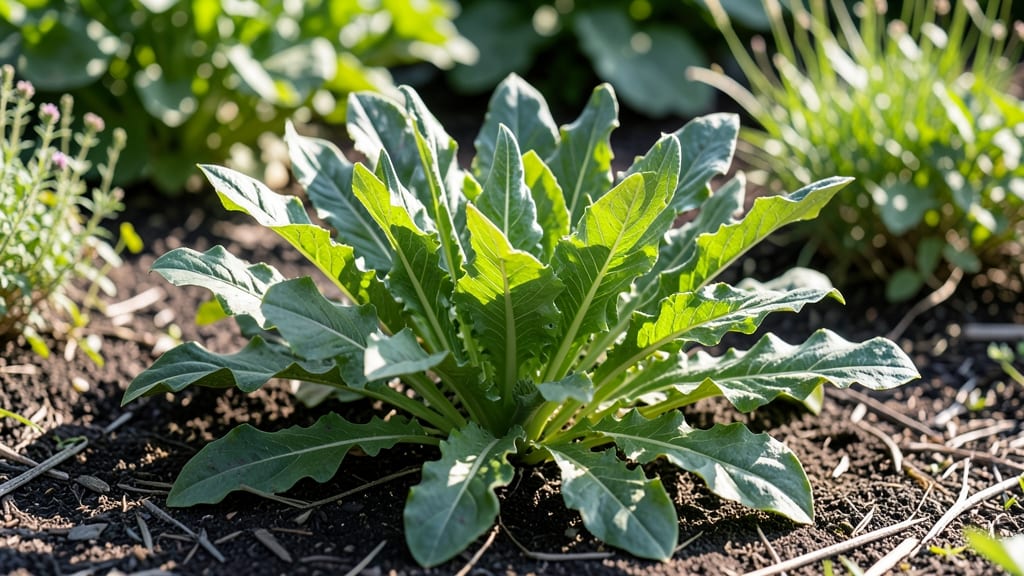
Growing crisp pointy leaf lettuce in 30 days without bolting starts with the right timing and cool-season conditions. 🌱 I learned the hard way that summer heat turns tender leaves bitter—so we’ll focus on spring and fall planting for perfect, crunchy heads.
The secret? Fast growth in 50-65°F soil and consistent moisture to keep those leaves plump and sweet.
You’ll need a sunny spot with 4-6 hours of light daily, loose soil mixed with compost, and a flat bed or containers with drainage. Space plants 12 inches apart to prevent crowding, and keep the soil damp—not soggy.
Romaine thrives in cool weather but wilts under midday summer sun, so choose your planting window carefully.
Bolting is the enemy, but you can outsmart it with shade cloth on hot days and a steady watering routine. Harvest the outer leaves first to encourage continuous growth, and you’ll enjoy fresh salads straight from your garden.
The first harvest happens in just 3-4 weeks, with full heads ready in 30 days if conditions are ideal.
Pair your lettuce with carrots, radishes, or strawberries to deter pests naturally, and avoid planting near aromatic herbs like dill. With these steps, you’ll go from seed to salad in no time—no greenhouse or fancy equipment needed. Let’s get those crisp heads growing!
📚 In This Guide
- What you need
- Instructions
- Tips and common mistakes
- Wrapping up and next steps
What you need
- ● Seeds: 1 packet (50-100 seeds) of Lactuca sativa (pointy leaf variety, like 'Black Seeded Simpson' or 'Salad Bowl').
- ● Growing Containers or Garden Bed: For containers: 4-6" deep pots (minimum 6" diameter per plant) or a shallow tray (12"x24") for sowing.
- ● For in-ground: A well-draining, partial-shade spot with loose, fertile soil (pH 6.0-7.0).
- ● Growing Medium: Potting mix (sterile, seed-starting blend) or compost-amended garden soil.
- ○ Optional: Perlite or vermiculite (10-20% by volume) for aeration.
- ● Watering Can or Spray Bottle: With a fine mist nozzle for gentle watering.
- ● Fertilizer: Balanced liquid fertilizer (5-5-5 or 10-10-10, diluted to half-strength).
- ● OR slow-release granular fertilizer (e.g., 10-10-10, 1 tbsp per sq ft).
- ● Hand Trowel or Transplant Spade – For sowing seeds or transplanting.
- ● Garden Gloves – To keep hands clean while handling soil.
- ● Row Cover or Shade Cloth (30-50%) – Protects seedlings from harsh sun and pests (especially in hot climates).
- ● Organic Mulch (Straw or Grass Clippings) – Retains moisture and suppresses weeds.
- ● Pest Control: Neem oil spray (for aphids/slugs).
- ● Diatomaceous earth (food-grade, for crawling pests).
- ● pH Test Kit – Ensures soil is in the ideal range (6.0-7.0).
- ● Climate: Cool-season crop (ideal temps: 45-75°F / 7-24°C). Avoid planting when daytime temps exceed 80°F (27°C).
- ● Sunlight: Partial shade (3-6 hours of morning sun) or dappled sunlight.
- ● Water Access: Consistent moisture (keep soil evenly damp, not soggy).
- ● Patience: 30-45 days to harvest (depending on variety and conditions).
Step-by-Step instructions for growing crisp pointy leaf lettuce
Here’s how I grow tender, bolting-resistant pointy leaf lettuce in just 30 days—no heat stress, no bitter surprises.
🌱 Step 1: Start Seeds Indoors or Direct-Sow in Cool Soil
Pointy leaf lettuce thrives when soil stays between 50-65°F—too warm and it bolts. I start seeds indoors 4-6 weeks before last frost using sterile seed-starting mix in 2-inch cells. Press seeds ¼ inch deep (they’re tiny, so I use a toothpick to mark rows). Keep them moist under a humidity dome until sprouts appear in 5-10 days.
For direct sowing, wait until nighttime temps drop below 70°F. Scatter seeds ½ inch apart in rows 12 inches apart—they’re so small that I sprinkle them over damp soil and barely cover them. A light misting keeps them from drying out before germination. Real talk: if you plant too deep, seedlings will struggle to reach the surface.
☀️ Step 2: Provide Consistent Light and Cool Conditions
Lettuce hates heat and legginess. After sprouts emerge, move them to bright, indirect light (a south-facing window works, but I supplement with a grow light for 14-16 hours daily). Without enough light, stems stretch and leaves turn pale. You’ll know it’s right when seedlings have thick, dark green leaves spaced 1 inch apart.
Keep soil evenly moist but never soggy—lettuce roots rot faster than they bolt. I water at the base, avoiding leaves to prevent fungal diseases. If you notice yellowing lower leaves, it’s usually overwatering or poor drainage. Cool nights (below 60°F) keep growth steady and crisp.
🌿 Step 3: Thin Seedlings and Harden Off
When seedlings reach 2 inches tall, thin them to 4 inches apart—this prevents competition and encourages larger leaves. Use scissors to snip unwanted plants at soil level (pulling risks disturbing roots). I harvest the thinned seedlings for salads—they’re still tender and flavorful.
Two weeks before transplanting outdoors, harden off seedlings by placing them in a shaded spot for 1 hour daily, gradually increasing time. Watch for wilting—if leaves droop, they’re not ready. Transplant on a cool, overcast day to reduce shock. Space mature plants 6-8 inches apart in rows 12 inches apart for airflow.
💧 Step 4: Maintain Moisture and Shade Through Maturity
Pointy leaf lettuce matures in 30-40 days, but it needs consistent moisture to stay crisp. Water deeply every 2-3 days (check the top inch of soil—it should feel damp but not wet). Mulch with straw or shredded leaves to retain moisture and block weeds. Avoid overhead watering after noon to prevent mildew.
If temps rise above 75°F, provide afternoon shade with a floating row cover or shade cloth. You’ll see heat stress as leaves turn bitter or yellow—remove affected leaves immediately. Harvest outer leaves first to encourage continuous growth. Once the core tightens, the whole head is ready.
✂️ Step 5: Harvest and Extend the Season
Harvest leaves when they reach 3-4 inches long—young leaves are sweeter and more tender. Cut with clean scissors just above the next set of leaves. For a continuous supply, harvest 1-2 outer leaves per plant weekly. This method keeps plants productive for 6-8 weeks before bolting.
To extend the season, succession-sow seeds every 2 weeks in early spring and late summer. In hot climates, use shade cloth or grow lettuce in partial shade. I’ve kept pointy leaf lettuce producing well into fall by protecting it from frost with a lightweight row cover. The key is staying ahead of heat—once it bolts, you’ve lost your crisp, tender harvest.
Tips & tricks for perfect pointy leaf lettuce cultivation
A few strategic moves will help you avoid the most common pitfalls when growing crisp pointy leaf lettuce—especially if you're working with limited space or unpredictable weather.
Seed Placement Precision: When you're pressing those tiny seeds just ¼ inch deep in Step 1, use a toothpick to make shallow furrows—this ensures consistent depth without compacting the soil. I've found that seeds planted too deep (over ½ inch) often fail to emerge, while those barely covered with soil sprout within 5-10 days. For direct sowing, mark your rows with a small stick before scattering seeds to maintain that ½ inch apart spacing mentioned in the instructions.
Light Management for Optimal Growth: The 14-16 hours daily of light requirement in Step 2 is non-negotiable for preventing leggy seedlings. If you don't have a grow light, position your seedlings on a rotating schedule near a south-facing window—rotate them quarter-turn daily so all sides receive equal light. You'll notice the difference immediately: seedlings under proper light develop thick, dark green leaves spaced 1 inch apart, while those with insufficient light stretch and develop pale, weak stems.
Heat Stress Prevention: The 50-65°F soil temperature range mentioned in Step 1 is your best defense against bolting. If you're growing in summer, consider using black plastic mulch to absorb heat and keep roots cool. When nighttime temperatures approach 70°F (the direct sowing threshold), move your containers to a shaded area during peak afternoon heat. I've seen lettuce bolt within days when exposed to consistent temperatures above 75°F—the threshold mentioned for providing afternoon shade in Step 4.
Harvesting Strategy: When harvesting those 3-4 inch long leaves in Step 5, use clean scissors to make precise cuts just above the next set of leaves. This clean cut prevents damage to the growing point and encourages continuous production. For maximum yield, harvest 1-2 outer leaves per plant weekly—this method can keep your plants productive for 6-8 weeks before bolting, rather than the typical 4-5 weeks you might get with less careful harvesting.
Pro Tips for Pointy Leaf Lettuce
- A few strategic moves will help you avoid the most common pitfalls when growing crisp pointy leaf lettuce—especially if you're working with limited space or unpredictable weather.
- Seed Placement Precision: When you're pressing those tiny seeds just ¼ inch deep in Step 1, use a toothpick to make shallow furrows—this ensures consistent depth without compacting the soil.
- Light Management for Optimal Growth: The 14-16 hours daily of light requirement in Step 2 is non-negotiable for preventing leggy seedlings.
Frequently asked questions
Got questions about growing pointy leaf lettuce?
You’re not alone! Here are answers to the most common queries to help you cultivate crisp, delicious heads without stress.
How do I prevent pointy leaf lettuce from bolting too early?
Bolting happens when lettuce senses heat or stress. To delay it, plant in cool seasons (spring/fall), use shade cloth (30-50%) in hot climates, and keep soil consistently moist. Avoid over-fertilizing with nitrogen—opt for balanced organic fertilizer instead. Pro tip: Choose bolt-resistant varieties like 'Black Seeded Simpson' or 'Arctic King' for extra heat tolerance!
How long does it take for pointy leaf lettuce to mature?
Most varieties reach harvest in 30–45 days from transplanting, depending on conditions. Check seed packets for specific timelines, but expect crisp leaves when outer leaves reach 6–8 inches tall. For baby greens, harvest as early as 21 days by snipping outer leaves!
What pests or diseases commonly affect pointy leaf lettuce, and how do I stop them?
Watch for aphids, slugs, and downy mildew—the biggest threats. Prevent pests with row covers or neem oil spray. For mildew, improve airflow, water at the base (not leaves), and rotate crops annually. Early intervention is key: Remove infected leaves immediately to stop spread. Hot tip: Companion plant with radishes or carrots to deter pests naturally!
Can I grow pointy leaf lettuce in containers, and what’s the best setup?
Use deep containers (8+ inches) with drainage holes and well-draining soil. A 12-inch pot can fit 2–3 plants. Place in partial sun (4–6 hours/day) and keep soil moist. Containers dry out faster, so check daily in hot weather. Bonus: Regrow scraps by placing the base in water—sprouts appear in 3–5 days!
What’s the best alternative if pointy leaf lettuce doesn’t thrive in my climate?
Try loose-leaf lettuces like 'Salad Bowl' or 'Buttercrunch' for similar texture but faster growth. For heat, switch to heat-tolerant greens like Swiss chard, kale, or arugula. If your area is too hot, grow lettuce in winter or use a cold frame to extend the season.
Wrapping up and next steps
Pointy leaf lettuce is a rewarding and low-maintenance crop that delivers crisp, flavorful greens in just 30 days—without the dreaded bolting!
By choosing the right variety, providing consistent care, and staying vigilant against pests and diseases, you’ll enjoy a bountiful harvest even in warm climates. Your green thumb is closer than you think!
Ready to dive in? Start by sketching your garden layout this weekend—mark your planting spots, gather your supplies, and get those seeds ready to sprout. Happy growing! 🌱✨