
Leaf Blower
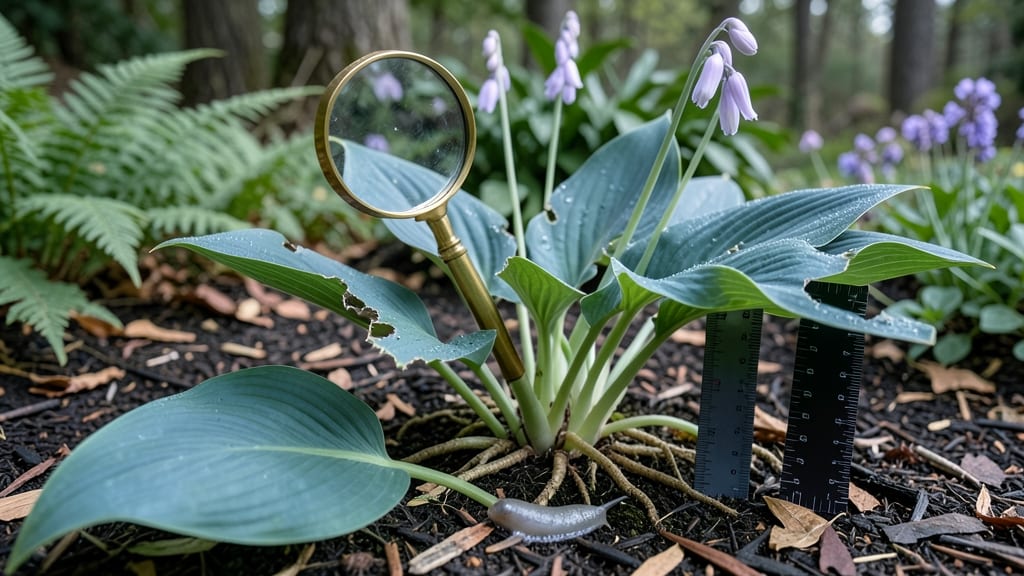
See those pictures of hosta leaf damage where the edges look like they’ve been singed by a blowtorch? 🌿 That’s your plant screaming for help—and copper spray is the fast fix you need to turn those ragged leaves back into lush, velvety green.
I’ve seen this damage every summer: one minute your hostas are thriving, the next they’re looking like they’ve been through a drought and a heatwave. The good news? This isn’t a death sentence.
With the right diagnosis and a little copper spray magic, you can revive them in just 2-3 weeks. The culprits are usually slugs, fungal infections, or environmental stress—and they all leave their own telltale marks.
Slugs chew jagged edges, fungi create brown, crispy patches with yellow halos, and stress (like inconsistent watering) turns leaves brittle and papery. The key is catching it early: once the damage spreads past the leaf’s center, recovery slows down.
That’s why I keep a bottle of copper fungicide on hand—it stops the spread in its tracks while the plant recovers. What you’ll end up with is hostas that look embarrassingly healthy again, with new growth pushing out strong and crispy-free. The secret?
Spraying every 7-10 days until the damage stops spreading, paired with proper watering (deep but infrequent) and a little shade relief if your garden gets scorching afternoons. No more sad, crunchy leaves—just thriving foliage that makes your shade garden the envy of the neighborhood.
Works for all hosta varieties, from giant blues to tiny miniatures, and tackles both fungal issues and slug damage. Here’s how to spot the difference—and fix it fast before your plants throw in the towel.
Root Causes of Leaf Damage
Understanding why your hosta leaves develop unsightly damage—whether it’s crispy edges, holes, or discoloration—starts with identifying the culprits. Hostas are resilient, but they’re also susceptible to a mix of environmental stressors, pests, and diseases.
Below, we break down the most common reasons your hosta leaves might be suffering, backed by science and actionable insights to help you diagnose the issue.
Hostas thrive in partial to full shade, but push them beyond their comfort zone, and you’ll see damage fast. Here’s how environmental factors play a role:
- ❄️ Extreme Heat or Cold Hostas are hardy, but prolonged heatwaves (especially above 90°F/32°C) or freezing temperatures can cause leaf scorch (brown, crispy edges) or cold damage (blackened, mushy spots).
Heat stress often starts at the leaf margins and works inward, while cold damage may appear as water-soaked patches before turning brown.
- 💧 Watering Woes: Over or Under - Underwatering: Leaves may curl, yellow, or develop crispy edges as the plant conserves moisture.
The tips and margins dry out first. - Overwatering or Poor Drainage: Leaves can develop yellowing (chlorosis) or mushy, blackened spots due to root rot (Phytophthora or Pythium fungi). Check for soggy soil—hostas hate "wet feet."
- ☀️ Sunburn from Too Much Light If your hosta suddenly gets more sunlight than it’s used to (e.g., after a tree is removed), the leaves may develop bleached, white, or brown patches—a condition called sun scald.
This is common in variegated hostas, where the white tissue lacks chlorophyll and burns faster.
Pests don’t just nibble—they chew, suck, or burrow, leaving behind telltale damage. Here’s how to spot them:
- 🐛 Slugs and Snails: The Silent Leaf Munchers These nocturnal pests leave large, irregular holes with silver slime trails on leaves. They target soft, tender new growth and often strike at night. Look for chewed edges that look like they’ve been sliced with scissors.
- 🐞 Hostas’ Worst Nightmare: Nematodes Root-knot nematodes (Meloidogyne spp.) or lesion nematodes (Pratylenchus spp.) attack the roots, causing stunted growth, yellowing leaves, and wilting.
The damage above ground often looks like nutrient deficiency (yellowing between veins), but the roots are the real giveaway—galls, lesions, or a rotten smell.
- 🐛 Leaf Miners and Sawfly Larvae - Leaf miners (Phytomyza spp.) lay eggs on leaves, and their larvae tunnel between leaf layers, creating blistered, serpentine trails. - Sawfly larvae (Caliroa cerasi) chew notches along leaf edges, leaving ragged, jagged holes.
These pests are often green or black and can strip a plant quickly.
- 🕷️ Spider Mites: The Tiny Web Spinners These microscopic pests suck sap, causing stippling (tiny white/yellow dots), bronzing (silver-gray leaf surfaces), and fine webbing on the undersides of leaves. Severe infestations lead to leaf drop.
Fungi and bacteria thrive in moist conditions and can spread rapidly if left unchecked. Here’s how to identify them:
- 🍄 Fungal Leaf Spots (Alternaria, Septoria, or Rhizoctonia) These cause dark, circular spots with yellow halos, often with tiny black dots (fungal fruiting bodies) in the center. Wet foliage accelerates spread. Alternaria loves hot, humid weather, while Septoria thrives in cool, damp conditions.
- 💀 Bacterial Leaf Blight (Xanthomonas campestris) This bacteria causes water-soaked, greasy-looking spots that darken and ooze when wet. Leaves may yellow and die quickly. It spreads via splashing water or contaminated tools.
- 🍄 Powdery Mildew (Erysiphe cichoracearum) A white, powdery coating on leaves (especially topsides) that stunts growth. Unlike other fungi, it doesn’t need wet conditions—just high humidity and poor airflow. Infected leaves may yellow and crisp.
- 🍄 Anthracnose (Colletotrichum spp.) Causes sunken, dark lesions with pink or orange centers. It’s common in shady, damp gardens and can kill leaf tissue quickly, leaving shotgun-like holes.
Hostas are heavy feeders, and deficiencies show up in specific patterns:
- 🟡 Yellowing Between Veins (Chlorosis)
- Magnesium deficiency: Yellow patches between veins (older leaves first), leading to necrotic spots. This is often called "lime-induced chlorosis."
Pro Tip: 💡 If your hosta shows multiple symptoms, rule out environmental stress first (water, light, soil pH). Then check for pests or disease before blaming nutrients—many issues mimic deficiencies!
Fixing Hosta Leaf Damage Fast
Now that you’ve identified the culprit behind your hosta’s crispy, ragged, or discolored edges, it’s time to take action! Whether it’s slugs, fungal infections, environmental stress, or pests like aphids, each issue requires a targeted approach.
Below, we’ll break down the most effective fixes—plus prevention tips to keep your hostas thriving.
If your hosta leaves look like they’ve been chewed by tiny drunken gardeners, slugs and snails are likely the culprits. These slimy pests love tender hosta foliage, leaving behind jagged holes and silvery slime trails.
How to Fix It: 🔹 🍳 Set Up Physical Barriers
- Create a copper tape barrier around your hosta plants. Slugs hate copper because it gives them a mild electric shock. Wrap it around the base of the plant or lay it flat in a circle.
- Use crushed eggshells, diatomaceous earth, or coarse sand as a natural deterrent. Refresh after rain.
🔹 👨🍳 Use Organic Baits - Iron phosphate-based baits (like Sluggo) are pet-safe and effective. Sprinkle around the base of plants in the evening when slugs are most active. - Beer traps work too!
Bury a shallow dish filled with beer near your hostas. Slugs crawl in and drown—bonus: you get a free drink.
🔹 ⏰ Handpick & Remove
- After rain or at dusk, search under leaves and mulch for slugs. Drop them in soapy water or relocate them far from your garden.
💡 Prevention Tips: ✔ Water in the morning so slugs aren’t attracted to damp soil at night. ✔ Remove hiding spots like thick mulch, boards, or dense foliage near hostas. ✔ Plant slug-resistant companions like lavender, thyme, or marigolds nearby to repel them.
If your hosta leaves show brown, crispy edges with powdery spots or black, tar-like streaks, fungal diseases like anthracnose, leaf spot, or blight are likely to blame. Fungi thrive in humid, shady conditions—perfect for hostas!
How to Fix It: 🔹 🔪 Prune & Dispose of Infected Leaves
- Remove and destroy severely damaged leaves immediately. Do not compost them—bag and trash them to prevent spread.
- Thin out foliage to improve airflow, reducing humidity around the plant.
🔹 🍎 Apply Fungicide (Organic or Chemical) - Copper fungicide sprays (like Bonide Copper Fungicide) are highly effective against fungal diseases.
Spray early in the morning on a dry, wind-free day. - For a DIY option, mix 1 tsp baking soda + 1 quart water + a few drops of dish soap and spray weekly. - Neem oil (1 tbsp per quart of water) can also help, but it works best as a preventive measure.
🔹 🌿 Adjust Growing Conditions
- Avoid overhead watering—water at the base of the plant instead.
- Improve drainage by amending soil with compost or sand if your garden stays soggy.
- Space plants properly to allow sunlight and airflow.
💡 Prevention Tips: ✔ Plant hostas in partial shade (not deep shade) to reduce humidity. ✔ Mulch with pine needles or gravel instead of thick organic mulch to deter fungi. ✔ Rotate crops—don’t plant hostas in the same spot year after year.
If your hosta leaves are yellowing, curling, or developing crispy edges without obvious pests or disease, environmental factors like too much sun, improper watering, or poor soil are likely the issue.
How to Fix It: 🔹 🌳 Adjust Sun Exposure
- Most hostas prefer partial shade (3–6 hours of morning sun). If your hostas are getting hot afternoon sun, move them to a shadier spot or provide dappled shade with a sheer cloth.
- Variegated hostas need even more shade—their white or yellow stripes can scorch in direct sunlight.
🔹 💧 Master Watering Techniques - Overwatering causes root rot and crispy edges, while underwatering leads to wilting and browning. - Water deeply but infrequently—aim for 1–1.5 inches per week, including rainfall.
Use a soaker hose to water at the base. - Check soil moisture by sticking your finger 1–2 inches deep. If it’s dry, water; if it’s soggy, hold off.
🔹 🌱 Improve Soil & Nutrition - Test your soil for pH (hostas prefer 6.5–7.5).
Amend with compost or peat moss if needed. - Feed in early spring with a balanced fertilizer (10-10-10) or a slow-release organic option. - Avoid high-nitrogen fertilizers in summer—they encourage leafy growth but weaken roots.
💡 Prevention Tips: ✔ Mulch with 2–3 inches of organic mulch (like shredded bark) to retain moisture and regulate soil temperature. ✔ Group hostas with other shade-loving plants (like ferns, astilbe, or heuchera) for a microclimate that stays moist and cool. ✔ Monitor weather shifts—hostas are sensitive to sudden heatwaves or drought.
Tiny pests like aphids, spider mites, or scale insects can cause yellowing, curled leaves, or sticky residue (honeydew). These pests thrive on hosta sap and multiply quickly if left unchecked.
How to Fix It: 🔹 🔍 Inspect & Isolate Infested Plants
- Check the undersides of leaves for clusters of pests. Use a magnifying glass if needed.
- Isolate heavily infested plants to prevent spreading to others.
🔹 🍳 Blast Off Pests with Water - Strong spray from a hose can knock off aphids and spider mites.
Do this early in the day so leaves dry quickly. - For stubborn pests, mix 1 tsp mild dish soap + 1 quart water and spray directly on infested areas.
🔹 🌿 Introduce Beneficial Insects
- Ladybugs, lacewings, and parasitic wasps love aphids. Release them in the evening when they’re most active.
- Neem oil spray (1 tbsp per quart of water) disrupts pests’ life cycles—apply every 5–7 days until they’re gone.
🔹 🔪 Severe Cases: Systemic Insecticide
- If pests persist, use a systemic insecticide like imidacloprid (follow label instructions carefully).
💡 Prevention Tips: ✔ Encourage biodiversity—plant dill, fennel, or yarrow to attract beneficial insects. ✔ Remove garden debris where pests hide over winter. ✔ Rotate pesticides if you use chemical treatments to prevent resistance.
Final Thought: 🎯 Act fast—the sooner you address hosta leaf damage, the quicker your plants will bounce back! With the right mix of prevention, proper care, and targeted treatments, your hostas will stay lush, vibrant, and pest-free for years to come. 🌿✨
Frequently asked questions
What are the most common signs of slug damage on hosta leaves?
Look for large, irregular holes with silver slime trails along leaf edges. Slugs often target new growth and leave jagged, uneven edges that resemble scissor cuts. Check under leaves and mulch at night when they're most active.
How can I tell if my hosta's crispy edges are from sunburn or fungal disease?
Sunburned edges appear dry and papery with bleached or brown patches, often on leaves exposed to sudden sunlight. Fungal damage shows dark spots with yellow halos and may have black fruiting bodies in centers. Test by checking leaf undersides for fungal growth.
Is copper spray safe to use around pets and children?
When used as directed, copper fungicide sprays are generally safe but should be applied carefully. Avoid spraying when pets or children will come into contact with treated areas for 24-48 hours. Opt for organic copper-based products labeled pet-safe, and always rinse produce before consumption.
Why do some hosta leaves develop crispy edges even with proper watering?
This could indicate nutrient deficiencies (like magnesium or potassium) or environmental stress from temperature fluctuations. Test your soil pH (6.5-7.5 is ideal) and consider a balanced fertilizer in early spring. Check for root rot if soil stays soggy despite proper watering.
Can I save a hosta plant if most of its leaves are severely damaged?
Yes! Prune all severely damaged leaves (down to healthy tissue) and focus on new growth. Apply copper fungicide if fungal issues are present, and adjust care (watering, light, soil). Healthy roots can produce fresh foliage—just be patient and monitor for new damage signs.