
Leaf Blower
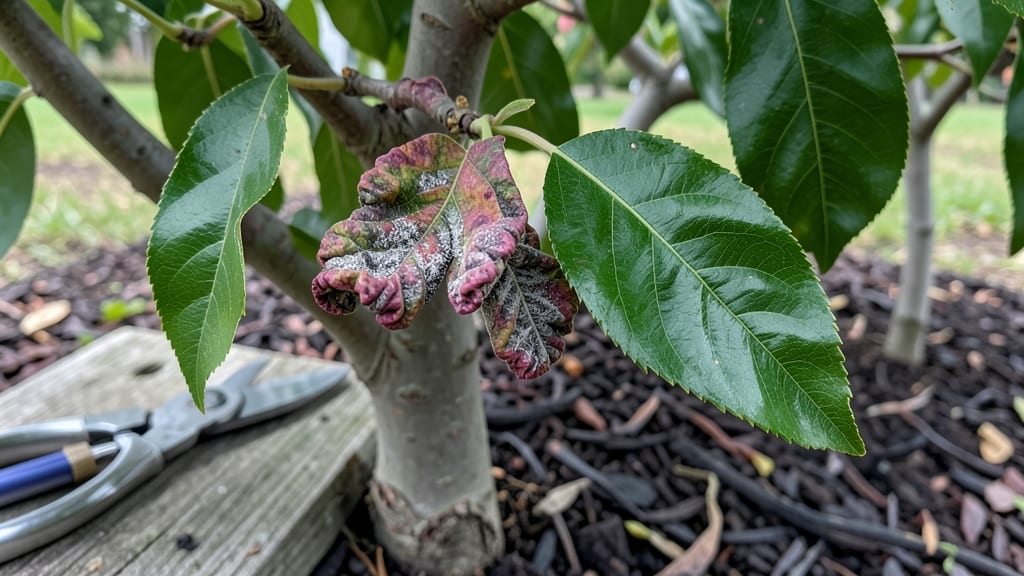
Your peach tree’s crisp, green leaves could be hiding a sneaky enemy—leaf curl fungus. 🌿 I’ve battled this stubborn problem, and copper spray isn’t just a cure; it’s the secret weapon for a full revival. The key is acting fast before the fungus twists your tree’s future.
Most gardeners wait too long, but early intervention means your tree can bounce back with vibrant new growth. You’ll need copper fungicide, pruners, and a clear day to apply the spray—no fancy equipment, just elbow grease. The results?
A tree that looks like it just woke up from a long winter nap. What you’ll get is a peach tree that produces more fruit and stays healthier all season. The copper spray works on existing infections while preventing new ones, and the best part?
It’s safe for your tree once it dries. Let’s get that tree back to its best.
This fungus thrives when trees are stressed, so proper pruning and watering make all the difference. Thin out crowded branches to improve airflow, and water deeply but infrequently to avoid soggy soil.
The goal is to give your tree the strength to fight back naturally while the copper does its job. You’ll notice the difference within weeks—new leaves unfurling without the curled, distorted edges.
The fruit won’t be affected if you treat early, and your tree will reward you with a bountiful harvest. Think of it as a reset button for your peach tree’s health.
For long-term success, combine copper sprays with preventive care like mulching and regular inspections. I’ve seen trees fully recover after just one season of consistent treatment, and the best part? You won’t need to repeat the process every year once the tree is strong again.
This method works for home gardeners and orchard owners alike. The key is patience and persistence—your peach tree will thank you with lush foliage and sweet fruit. Let’s turn that leaf curl around!
How Fungal Pathogens Invade Peach Trees
Peach tree leaf curl isn’t just a random blight—it’s a highly strategic attack by a tenacious fungal pathogen called Taphrina deformans. Understanding why this fungus thrives helps you outsmart it before it ruins your harvest.
Here’s how it happens, broken down by the key culprits and conditions that turn your lush peach tree into a curled, weakened mess.
The fungus doesn’t disappear when winter rolls in—it hibernates in your tree’s bark. Taphrina deformans produces microscopic spores that embed themselves in the lenticels (tiny pores on branches) and bud scales. When spring arrives, these spores reactivate as temperatures rise and moisture levels increase, launching a full-blown infection cycle.
- 🔍 Why it’s sneaky: Even if you prune infected branches, spores can linger for years in dormant buds, waiting for the perfect moment to strike.
- 🌡️ Trigger conditions: Spores germinate best at 40–60°F (4–15°C) with high humidity—common in early spring.
- 💡 Pro tip: Scrape and burn infected bark in late winter to reduce spore reservoirs. Use a 10% copper sulfate solution (like Bordeaux mix) to kill lingering spores before buds swell.
Leaf curl fungus loves wet, warm conditions—think of it as the fungal equivalent of a tropical vacation. When Taphrina deformans spores land on fresh peach tree foliage, they need free moisture (like dew, rain, or overhead watering) to swell, germinate, and infect the leaves.
Once inside, the fungus hijacks the tree’s cells, causing them to pucker and thicken in a misguided attempt to “protect” themselves.
| Condition | Fungal Response | Your Defense |
|---|---|---|
| 🌧️ Rain or overhead irrigation | Spores splash onto new leaves, increasing infection rates by 500%. | ✅ Use drip irrigation and water at the base of the tree. |
| 🌡️ 50–70°F (10–21°C) temps | Fungus grows 2–3x faster in this “sweet spot.” | ✅ Apply copper fungicide before buds break (late winter/early spring). |
| 🌿 New leaf growth | Young, tender leaves are 10x more susceptible than mature ones. | ✅ Monitor for curled edges early and prune heavily infected leaves immediately. |
A healthy peach tree has natural chemical and physical barriers to fight off pathogens. But when your tree is stressed, those defenses crumble. Leaf curl thrives when trees are:
- 💧 Underwatered or overwatered: Poor moisture balance weakens cell walls, making them easier targets.
- 🍃 Nutrient-deficient: Low nitrogen or potassium levels reduce chlorophyll production, leaving leaves vulnerable.
- 🪓 Physically damaged: Pruning wounds or hail scars create entry points for spores.
- 🐛 Pest-ridden: Aphids or mites excrete honeydew, which can fertilize fungal growth.
💡 Actionable fix: Boost tree resilience with a balanced fertilizer (10-10-10) in early spring and mulch to retain moisture. Prune in late winter (when the tree is dormant) to minimize stress.
Peach trees in dense plantings or orchards with poor airflow are fungal hotspots. Spores drift easily from tree to tree on wind or splashing water, creating an epidemic. Even a single infected tree can contaminate an entire grove within a season.
- 🌳 Why spacing matters: Trees need 15–20 feet apart for airflow; closer plantings trap humidity.
- 🍃 Sanitation is key: Remove and destroy (don’t compost!) fallen leaves and mummified fruit, which harbor spores.
- 🌬️ Windbreaks help: Plant wind-resistant species (like pine) on the north side to reduce spore spread.
Here’s the kicker: Leaf curl weakens the tree year after year. Infected trees produce smaller, fewer fruits and are more prone to secondary infections (like brown rot). The fungus re-infects the same buds season after season if left unchecked, creating a self-perpetuating cycle.
🚨 Break the cycle:
- ✅ Spray copper fungicide before bud break and again after petal fall.
- ✅ Remove all infected leaves in fall and sterilize your pruners with rubbing alcohol.
- ✅ Rotate fungicides to prevent resistance (e.g., alternate copper with potassium bicarbonate).
Reviving Your Tree: Step-by-Step Fixes
If your peach tree is showing signs of leaf curl fungus—think curled, thickened leaves and stunted growth—don’t panic! With the right approach, you can help your tree bounce back to its vibrant, fruit-bearing glory.
Below, we’ll break down the most effective fixes, tailored to the root causes of the problem, plus some pro tips to keep your tree healthy long-term.
The sooner you act, the easier the recovery. If you spot symptoms like:
- Reddish-purple, curled leaves in early spring
- Thick, leathery foliage that doesn’t unfurl properly
- Reduced fruit production or small, deformed peaches
…you’ve got a window to intervene before the fungus takes over. Act fast!
Copper-based fungicides are the gold standard for treating leaf curl fungus. They disrupt the fungus’s ability to infect your tree and are safe for organic gardens when used correctly.
#### 🍳 How to Apply Copper Spray Effectively 1. Timing is Everything ⏰ - Apply the first spray as soon as buds swell in late winter or early spring (before leaves emerge). - Follow up with a second application 4–6 weeks later to cover new growth. - A third spray in late spring can help protect against reinfection. 2. Choose the Right Product 🛒 - Look for copper fungicides labeled for peach trees, such as: - Copper sulfate (e.g., TriBasic Copper) - Copper hydroxide (e.g., Kocide 3000) - Copper octanoate (e.g., Badge X2) - Avoid homemade mixtures (like Bordeaux mixture) unless you’re experienced—they can burn leaves if misapplied. 3. Mix and Spray Like a Pro 👨🍳 - Follow the label instructions for concentration and dilution. Overdoing it can harm your tree! - Spray thoroughly, covering both sides of leaves, stems, and even the ground beneath the tree (fungus spores lurk there!). - Use a hose-end sprayer for large trees or a backpack sprayer for precision. 4. Safety First! 🛡️ - Wear gloves, long sleeves, and goggles to avoid skin or eye irritation. - Apply on a calm, dry day to prevent drift or runoff. - Keep pets and kids away until the spray dries.Infected leaves and branches are breeding grounds for spores. Pruning helps reduce the fungus’s spread and improves airflow, which deters future infections.
#### ✂️ How to Prune for Maximum Impact 1. Cut Out the Culprits 🔪 - Remove all visibly infected leaves and branches, even if they’re not fully curled. Burn or trash them—do not compost! - Focus on suckers, dead wood, and crossing branches, as these trap moisture and encourage fungus. 2. Sterilize Your Tools 🧼 - Disinfect pruners with rubbing alcohol or a 10% bleach solution between cuts to prevent spreading spores. 3. When to Prune ⏳ - Late winter or early spring (before buds break) is ideal. - Avoid pruning during wet or windy conditions, as this can stress the tree.A healthy tree is far less susceptible to leaf curl fungus. Focus on these key areas to help your peach tree fight back:
#### 💡 Pro Tips for a Resilient Tree - Water Wisely 💧 - Water deeply but infrequently (1–2 inches per week) to encourage deep root growth. - Avoid overhead watering, which can splash spores onto leaves. - Feed the Right Way 🍎 - Apply a balanced fertilizer (10-10-10 or 6-6-6) in early spring to support new growth. - Avoid high-nitrogen fertilizers in late summer, as they promote tender new growth that’s vulnerable to fungus. - Mulch Properly 🌿 - Use 2–4 inches of organic mulch (wood chips or straw) around the base, but keep it 6 inches away from the trunk to prevent rot. - Improve Airflow 🌬️ - Space trees 12–15 feet apart to reduce humidity and shade, which fungus loves. - Thin out nearby shrubs or overgrown grass that blocks airflow.The best cure is prevention. Once you’ve treated your tree, take these steps to keep leaf curl fungus at bay:
#### ✨ Long-Term Prevention Strategies - Annual Copper Sprays 🛡️ - Even if your tree looks healthy, apply preventative copper sprays in late winter and early spring for 2–3 years in a row. - Monitor for Stress 🌡️ - Watch for signs of drought stress, nutrient deficiencies, or pest damage, which weaken the tree’s defenses. - Rotate Fungicides 🔄 - If you use copper sprays year after year, consider rotating with other fungicides (like neem oil or sulfur-based products) to prevent resistance. - Buy Resistant Varieties 🌱 - If you’re planting a new peach tree, choose leaf curl-resistant cultivars like Redhaven, Elberta, or Relenta.If your tree is severely infected (e.g., most branches are dead, or the trunk shows signs of decay), it may be time to consult an arborist or extension service. They can assess whether your tree is salvageable or if removal is the best option.
Frequently asked questions
Can peach tree leaf curl fungus spread to other fruit trees?
Yes, while Taphrina deformans primarily targets peach trees, it can infect other stone fruit trees like plums, apricots, and nectarines. The fungus doesn’t spread to citrus, apples, or pears, but it’s wise to treat nearby stone fruits preventively if your peach tree is infected.
How long does it take to see improvement after treating leaf curl?
With proper copper spray applications and pruning, you should see new, healthy leaves within 4–6 weeks. However, complete recovery may take 1–2 growing seasons, especially if the tree was severely infected. Consistency is key—don’t skip follow-up sprays!
Is copper spray safe for bees and pollinators?
Copper fungicides are generally safe for bees once dry, but avoid spraying when flowers are open (especially during peach tree bloom). Apply early morning or late evening when pollinators are least active. For extra safety, choose organic options like potassium bicarbonate during bloom season.
Will my peaches still be safe to eat if the leaves have leaf curl?
The fruit itself isn’t directly infected, but severely affected trees may produce smaller, lower-quality peaches due to reduced energy. If you treat early, your harvest should remain safe and tasty. Always wash fruits thoroughly before eating, regardless of leaf health.
Can I use household vinegar as a substitute for copper spray?
No, vinegar is ineffective against leaf curl fungus and can actually burn leaves if used undiluted. Stick to label-approved copper fungicides or organic alternatives like neem oil. Vinegar’s acidity won’t penetrate the fungal cell walls to provide real protection.