
Pests and Diseases
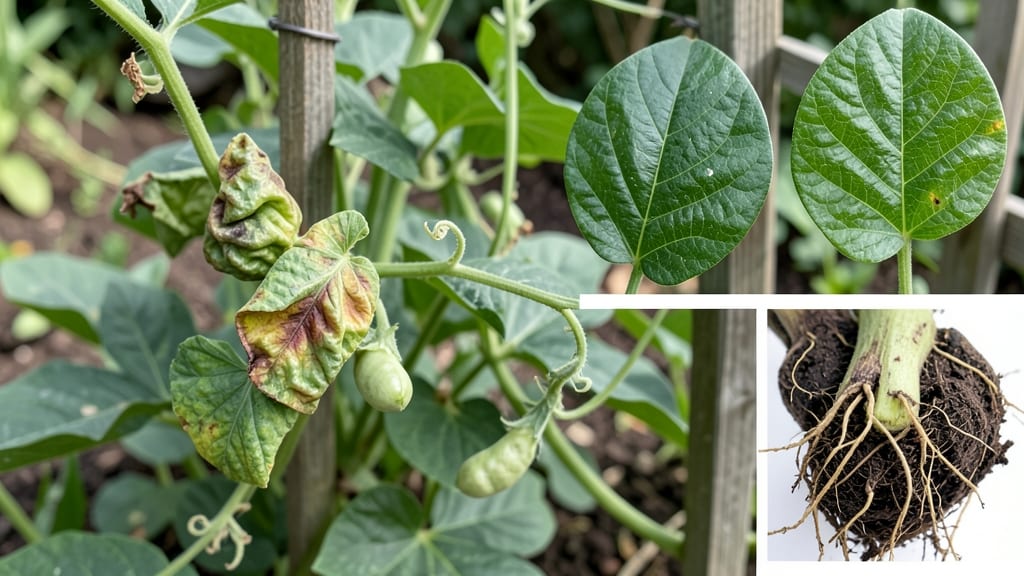
When your pea plants develop stunted growth and crinkled, upward-rolling leaves, pea leaf roll virus might be the culprit—and it spreads faster than you think. 🌱 I’ve seen this stubborn virus turn lush pea vines into sad, twisted shadows, and the worst part?
There’s no cure. But knowing how to spot it early and stop its spread can save your entire garden from becoming a virus buffet. The symptoms start subtle: leaves curl upward like tiny green boats, and new growth stays stunted.
Later, you’ll notice yellowing between veins and a general lack of vigor. The virus spreads through infected seed or aphids, so if you’ve had problems before, start with certified disease-free seed and monitor aphid populations like a hawk.
Once infected, plants can’t be saved, but removing them immediately prevents the virus from hitching a ride to your next crop. Focus on organic control—neem oil sprays, reflective mulch to deter aphids, and companion planting with garlic or onions.
Prevention is your best bet, and these methods work without harsh chemicals. If you’re still unsure, send samples to your local extension office for testing. They’ll confirm it’s not a nutrient deficiency or another disease, giving you peace of mind—and a fighting chance for next season’s peas.
The Hidden Triggers Behind Plant Decline
Understanding why pea plants suddenly develop stunted growth, curled leaves, and a general "sickly" appearance requires peeling back the layers of plant pathology. The pea leaf roll virus (PLRV) is primarily transmitted through specific pathways, each with distinct biological mechanisms.
Here’s a breakdown of the key culprits and how they contribute to infection:
The primary vector for PLRV is the **green peach aphid (Myzus persicae), though other aphid species can also transmit the virus. Here’s how it works:
- Piercing-Sucking Feeding: Aphids insert their stylets into plant phloem to feed on sap.
While feeding, they can acquire the virus from an infected host (even if asymptomatic) and transmit it to healthy pea plants within 30 minutes to a few hours of feeding. - Non-Persistent Transmission: PLRV sticks to the aphid’s mouthparts but isn’t circulated within its body.
This means the virus is transmitted immediately during feeding—no incubation period is needed in the aphid. - High Mobility: Aphids are winged and can travel miles on wind currents, spreading the virus rapidly across fields or gardens.
Actionable Insight**: 🔍 Monitor aphid populations early in the season, especially near legume crops or weeds like chickweed (a known aphid host). Use yellow sticky traps to catch migrating aphids before they infect your peas.
PLRV can persist in infected seed or planting stock, leading to systemic infection before symptoms even appear. The mechanics:
- Seedborne Transmission: The virus replicates in the embryo and seed coat, meaning even certified "disease-free" seeds can carry PLRV if the parent plant was infected.
- Tuber or Corm Carriage: In some cases, the virus overwinters in pea tubers or corms (if applicable to your region), ensuring reinfection the following season.
- Asymptomatic Carriers: Some pea varieties may show no visible symptoms but still harbor the virus, acting as silent spreaders.
Actionable Insight: 🌱 Source seeds from reputable suppliers that test for virus-free stock. If growing from saved seeds, test a few plants for symptoms before full-scale planting.
Weeds and volunteer pea plants (those that self-sow unintentionally) act as virus reservoirs, maintaining PLRV between cropping seasons. How?
- Alternative Hosts: Weeds like chickweed, vetch, and clover can host PLRV without showing severe symptoms, serving as a permanent food source for aphids.
- Survival Over Winter: In temperate climates, weeds or infected plant debris can overwinter, allowing aphids to pick up the virus early in spring.
- Crop Rotation Loopholes: If pea crops are planted in the same spot year after year, leftover infected plant material in the soil can reinfect new plantings.
Actionable Insight: ✂️ Maintain a strict weed-free buffer zone around pea patches, especially in early spring. Rotate crops with non-legumes (like brassicas or cereals) to break the virus cycle.
While PLRV itself isn’t directly caused by environmental factors, stress conditions can weaken pea plants, making them more susceptible to aphid attacks and virus uptake. Key stressors include:
- Drought or Overwatering: Both extremes disrupt plant phyloem integrity, making it easier for aphids to feed and transmit the virus. - Nutrient Deficiencies: Low phosphorus or potassium levels weaken plant defenses, while excess nitrogen attracts more aphids. - Temperature Fluctuations: Aphids thrive in warm (60–80°F) but not hot conditions.
Cooler springs followed by sudden heat waves can explode aphid populations overnight.
Actionable Insight: 💡 Use mulch to regulate soil moisture and temperature. Apply balanced organic fertilizers (like compost tea or fish emulsion) to bolster plant resilience.
Many gardeners turn to neem oil, insecticidal soap, or companion planting to manage PLRV—but these are reactive, not preventive. Here’s why:
- Aphids Rebound Quickly: Chemical-free controls (like ladybugs or pyrethrin sprays) may reduce aphid numbers but don’t eliminate the virus already in the plant.
- Virus Already Inside: Once PLRV infects a plant, there’s no cure—only management through removal of infected plants and breaking the aphid cycle.
- Hidden Spread: Aphids can transmit PLRV before you even see them, making early intervention critical.
Actionable Insight: 🚨 Combine preventive measures (crop rotation, weed control) with early monitoring (weekly inspections for aphids and symptoms). Remove and destroy infected plants immediately to limit spread.
How to Treat and Prevent It
Dealing with a viral infection like pea leaf roll can feel overwhelming, but with the right strategies, you can protect your garden and minimize damage. Since viruses can’t be cured once they’ve infected plants, the focus shifts to removal, prevention, and strengthening your garden’s defenses.
Below, we break down practical solutions based on the most common causes and how to fix them—plus tips to keep your peas thriving.
Cause: Viral spread through aphids or contaminated seeds. Fix:
- 🔥 Pull and destroy infected plants as soon as you spot symptoms (rolled leaves, stunted growth, yellowing). Do not compost them—burn or bag them to prevent reinfection.
- 👨🍳 Check neighboring plants (especially peas, beans, and other legumes) for early signs. Isolate healthy plants if possible.
- 🌱 Replace infected crops with non-host plants (like brassicas or herbs) in the same bed to break the virus cycle.
💡 Pro Tip: If aphids are the culprit, trap crops (like nasturtiums) can lure them away from your peas.
Cause: Aphids transmit the virus while feeding. Fix:
- 🌿 Plant companion crops like garlic, chives, or marigolds near peas—their strong scents repel aphids.
- 🕷️ Encourage beneficial insects: Ladybugs, lacewings, and parasitic wasps devour aphids. Attract them with dill, fennel, or yarrow.
- 💦 Use sticky traps or soapy water sprays (1 tsp mild soap per quart of water) to reduce aphid populations before they spread the virus.
✨ Prevention Hack: Spray plants with neem oil (1 tbsp per gallon of water) weekly to deter aphids—it’s organic and safe for edibles.
Cause: Soilborne viruses or contaminated gardening tools. Fix:
- 🔄 Follow a 3-year crop rotation—never plant peas (or other legumes) in the same spot annually. Viruses linger in soil and debris.
- 🧼 Sterilize tools between uses with rubbing alcohol or a 10% bleach solution (rinse well). Viruses can hitch rides on pruners and shovels.
- 🌱 Solarize soil in late summer: Cover beds with clear plastic for 4–6 weeks to heat-kill viruses and pests.
🎯 Long-Term Strategy: Keep detailed garden maps to track where you’ve grown peas and other susceptible plants.
Cause: Weak or stressed plants are easier targets. Fix:
- 💪 Boost soil health with compost and organic matter to help plants recover faster from mild infections.
- 💧 Water deeply but less frequently to prevent stress. Shallow watering encourages aphids.
- 🌱 Choose resistant varieties like ‘Green Arrow’ or ‘Little Marvel’ peas, which tolerate viruses better than others.
🌡️ Heat Tip: Mulch with straw to regulate soil temperature—extreme heat stress can weaken plants and make them more vulnerable.
Cause: Unchecked viral spread or poor garden hygiene. Fix:
- 🛒 Buy certified disease-free seeds from reputable suppliers. Avoid seeds from infected plants.
- 🌱 Test new plants before transplanting: Isolate them for 2–3 weeks to monitor for symptoms.
- 🧹 Clean up debris thoroughly after harvest—burn or remove old plant material to starve viruses.
🔥 Emergency Measure: If aphids are rampant, spray with a strong stream of water to knock them off plants (do this in the morning to avoid nighttime chilling).
Final Reminder: While pea leaf roll virus is stubborn, prevention is your best weapon. Combine removal, natural pest control, and smart gardening practices to keep your garden healthy and productive. 🌱💚
Frequently asked questions
Can pea leaf roll virus affect other plants besides peas?
Yes, while peas are the primary host, this virus can also infect other legumes like beans and clover. However, it rarely causes severe symptoms in non-pea hosts. The biggest risk comes from aphids carrying the virus between plants, so monitor all legumes in your garden for early symptoms like stunted growth or leaf curling.
How do I know if my pea plants have pea leaf roll virus instead of just nutrient deficiency?
Look for these key differences: leaf roll virus causes upward-curling leaves and stunted new growth at the tips, while nutrient deficiencies (like nitrogen) typically show as yellowing between veins or overall stunting without curling. Test your soil pH—if it's balanced but symptoms persist, it's likely viral.
Will removing infected plants completely stop the virus from spreading?
Removing infected plants is crucial, but it won't stop the virus if aphids are present. You must also control aphid populations with neem oil or companion plants (like garlic) and sterilize tools between uses. The virus can survive in soil or on weeds, so combine removal with crop rotation and weed control for best results.
Can I still harvest peas from plants that show early symptoms?
No, once symptoms appear, the entire plant is infected. The virus doesn't affect the edibility of existing peas, but it can spread to new growth and contaminate your entire crop. Remove infected plants immediately and destroy them (don't compost) to prevent further spread.
Are there any chemical treatments that can cure pea leaf roll virus?
No chemical treatments exist to cure this virus once a plant is infected. The only effective approach is prevention: use certified disease-free seeds, control aphids with organic sprays (like insecticidal soap), and rotate crops annually. Chemical pesticides won't stop the virus—they only reduce aphid numbers temporarily.