
Leaf Blower
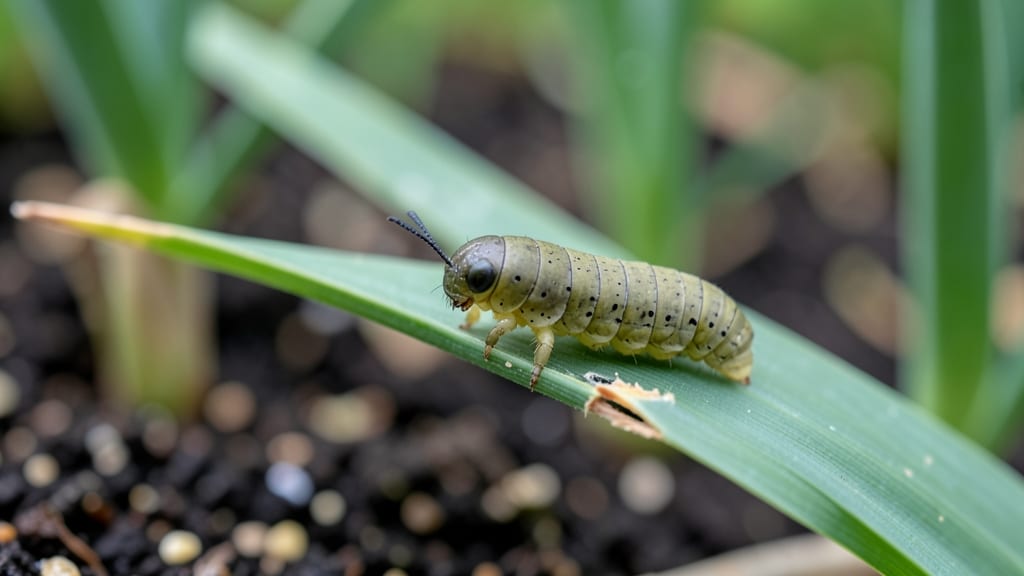
My onions were turning into skeleton leaves overnight—and the culprit was the onion leaf-eating caterpillar, tiny and striped, munching their way through. 🌱 These pests (often Acronicta lepusculina) can wipe out a crop if you don’t catch them early, but the good news?
You can stop them without harsh chemicals.
First, learn their lifecycle: eggs hatch into fuzzy caterpillars that grow into pale moths. Look for chewed leaves with frass (caterpillar poop) and tiny holes—those are your first warning signs. The key is acting fast: handpick caterpillars, use row covers, or introduce beneficial nematodes to break their cycle.
By midseason, your onions will stay lush and productive if you combine prevention (neem oil sprays) with habitat tweaks (planting dill nearby to attract predator wasps). The payoff? A garden where onions thrive instead of get devoured.
Works for home gardens, small farms, or even container-grown onions. Let’s get those leaves back in shape before harvest season!
Caterpillars Hunger Explained
When you spot a caterpillar munching away on your prized onion leaves, it’s not just bad luck—it’s biology in action. These tiny pests don’t just eat for fun; they’re following instinct, survival needs, and even environmental cues.
Understanding why they target your plants is the first step to outsmarting them. Below, we break down the key drivers behind their leaf-devouring behavior, so you can address the root causes (literally!).
Caterpillars are the larval stage of moths and butterflies, and their primary goal is to grow big enough to transform into their adult forms. Onion plants, with their tender, nutrient-rich leaves, are a perfect buffet for them. Here’s why:
- Rapid Growth = Rapid Feeding: Caterpillars need to consume massive amounts of food in a short time—sometimes doubling their weight daily. A single onion leaf-eating caterpillar (like the Onion Moth or Loopers) can skeletonize a plant in just a few days if left unchecked.
- High Protein & Moisture: Onion leaves are packed with nitrogen and water, which caterpillars crave for muscle development. Their saliva contains enzymes that break down the tough fibers, making digestion easier.
- Safety in Numbers: Many caterpillar species (like the Beet Armyworm) thrive in groups. When one finds a food source, it releases pheromones to attract others, turning your garden into an all-you-can-eat caterpillar café.
💡 Pro Tip: If you notice chewed leaves and tiny silk webbing, you’re likely dealing with a colony. Act fast—these pests multiply quickly!
Not all plants are equally tempting to caterpillars. Onions, leeks, and garlic are especially attractive because of their:
- Soft, Succulent Leaves: Unlike woody stems, onion leaves are easy to penetrate. Caterpillars avoid plants with thick waxy coatings or hairy textures (like some native wild onions).
- Volatile Compounds: Onions release sulfur-containing chemicals when damaged, which can attract more caterpillars. Think of it like a dinner bell!
- Stress Signals: Stressed plants (from drought, overcrowding, or poor soil) often produce more sugars and proteins in their leaves, making them even more appealing to hungry caterpillars.
🔥 Actionable Fix: Strengthen your plants by ensuring they’re well-watered, spaced properly, and grown in nutrient-rich soil. Healthy plants can better resist pest attacks.
Caterpillars don’t eat randomly—they follow the calendar and weather patterns. Here’s how climate influences their appetites:
| Season | Why They Strike | Peak Risk Period |
|---|---|---|
| Spring | Warmth wakes up overwintering eggs. Caterpillars emerge hungry after a long nap and target early-season crops like onions. | April–May (varies by region) |
| Summer | High humidity and temperatures speed up their metabolism. They shed skins (molting) and need extra food to fuel growth. | June–August |
| Fall | Cool nights and warm days create ideal conditions. Many species (like the Onion Moth) lay eggs late in the season for a spring hatch. | September–October |
✨ Seasonal Strategy: Monitor your plants closely during these windows. Use row covers in spring or traps (like pheromone lures) to disrupt mating cycles before eggs hatch.
Caterpillars don’t just rely on sight—they’re guided by invisible chemical signals:
- Plant Odors: Onions emit specific volatile organic compounds (VOCs) that caterpillars can detect from feet away. These act like a scent trail, leading them straight to your garden.
- Fecal Trails: Some species, like the Beet Armyworm, leave droppings that mark their territory and attract more caterpillars to the same plant.
- Mating Pheromones: Adult moths release pheromones to find mates, but these same chemicals can sometimes indirectly signal to caterpillars that a good food source is nearby.
🎯 Disrupt the Signals: Interrupt their chemical communication by:
- Planting traps like mustard greens or radishes far from your onions to lure pests away.
- Using neem oil or kaolin clay, which disrupts their ability to detect plant odors.
How to solve it
H2: Quick Fixes for Garden Pests
Discovering that an onion leaf-eating caterpillar has moved into your garden can be frustrating, but the good news is that you can take action—naturally and effectively—to remove them and protect your plants.
Below, we’ve mapped out practical solutions based on the most common causes of infestations, from early detection to long-term prevention.
🔍 If You Spot Chewed Leaves or Frass (Caterpillar Poop)
Your first clue is often the damage: ragged holes in onion leaves, silken webbing, or tiny black droppings. Here’s how to act fast:
- Handpick the culprits: Early morning is the best time—caterpillars are sluggish and easier to spot. Wear gloves and drop them into a bucket of soapy water (🔥 1 tablespoon dish soap per gallon of water).
- Inspect thoroughly: Check the undersides of leaves, stems, and even the soil surface where caterpillars hide. A magnifying glass helps spot tiny larvae.
- Dispose of properly: Never release caterpillars back into the garden. Seal them in a plastic bag or flush them down the toilet to prevent reinfestation.
💡 Pro Tip: If you’re squeamish about handling pests, use a damp paper towel to gently scoop them off leaves and transfer them to your soapy water bucket.
🌿 If Your Plants Are Heavily Infested
When caterpillars have already caused significant damage, you’ll need a more aggressive (but still gentle) approach:
- Neem oil spray: Mix 1 tablespoon neem oil with 1 teaspoon mild liquid soap and 1 quart of water. Spray the solution directly on the leaves, focusing on the undersides where caterpillars hide. Reapply every 5–7 days until the infestation clears. ✨ Why it works: Neem oil disrupts caterpillars’ feeding and growth hormones.
- Bacillus thuringiensis (Bt): This natural bacteria is toxic only to caterpillars and safe for humans and pets. Sprinkle Bt powder on leaves or mix it with water for a spray. It’s especially effective for young larvae. 🌡️ Best for: Organic gardens where chemical pesticides are off-limits.
- Row covers: If your garden is a hotspot, protect your onions with floating row covers (lightweight fabric that allows sunlight and water through but blocks pests). Secure the edges with soil or bricks to keep caterpillars out.
🔥 Warning: Avoid overusing chemical pesticides, as they can harm beneficial insects like ladybugs and bees that help control pest populations naturally.
🛡️ Prevent Future Infestations
The best defense is a strong offense. Here’s how to keep caterpillars from returning:
| Cause | Solution |
|---|---|
| Attracting adult moths (their parents) | Plant marigolds, dill, or fennel nearby—their strong scents repel moths. Avoid planting onions too close to other alliums (like garlic or chives), which can attract the same pests. |
| Overcrowded plants | Thin your onion seedlings to 2–3 inches apart to improve airflow and reduce hiding spots for caterpillars. |
| Weedy garden beds | Remove weeds and debris regularly—caterpillars love to hide in them. Mulch with straw or grass clippings to deter them from burrowing near roots. |
| Lack of natural predators | Encourage birds, parasitic wasps, and ground beetles by adding a small water source (like a shallow dish with pebbles) and planting native flowers. Avoid pesticides that kill these helpers! |
🎯 Long-Term Strategy: Rotate your crops annually—don’t plant onions in the same spot every year. This breaks the caterpillar’s life cycle and reduces their chances of finding your garden.
🕒 When to Call in Reinforcements
If your garden is overwhelmed by caterpillars despite your efforts, it may be time to bring in a professional. Extension offices or local gardening clubs often have volunteers who can help identify and treat severe infestations. For large-scale gardens, consider contacting a certified organic pest control service for targeted solutions.
Frequently asked questions
What do onion leaf-eating caterpillars look like?
These caterpillars are typically striped or fuzzy, measuring about 1-1.5 inches long when fully grown. They often appear green, brown, or black with distinctive markings. Look for tiny black droppings (frass) near chewed leaves—this is a dead giveaway!
Are these caterpillars harmful to humans or pets?
No, they’re not dangerous to touch or eat. While their saliva can irritate some people’s skin, the caterpillars themselves pose no health risks. Just avoid ingesting their frass or contaminated soil. Always wash hands after handling garden pests!
How quickly can caterpillars destroy my onion crop?
Surprisingly fast! A single caterpillar can skeletonize an entire onion leaf in just 24-48 hours. If you have multiple caterpillars, your plants could be severely damaged within a week. Early detection is key—check leaves daily during peak season (spring to early summer).
Will neem oil work if I already see damage?
Neem oil can still help, but it works best as both a preventive and early-stage treatment. For existing damage, combine it with handpicking and row covers. Spray in the evening when caterpillars are active, focusing on leaf undersides where they hide. Reapply every 5-7 days for best results.
Can I save my onions if they're already heavily infested?
It depends on the severity. If only outer leaves are damaged, your onions may still produce bulbs. Remove all caterpillars immediately and use protective measures. For severe cases, consider replanting with row covers. Healthy plants can often recover if you act quickly and maintain good garden hygiene.