
Pruning
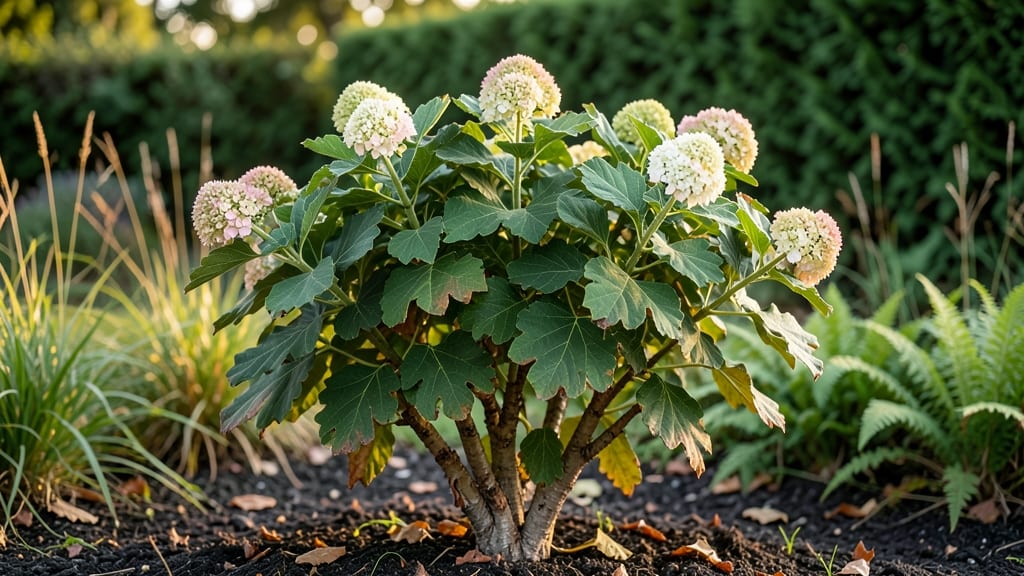
Your oak leaf hydrangea tree could be the star of your shade garden—if you master these three strategic cuts that keep it lush and well-behaved year-round. 🌿 I’ve pruned mine for five seasons, and the difference between a wild, leggy shrub and a perfectly shaped, blooming machine comes down to timing and technique.
The secret isn’t complicated: prune once in late winter to shape the structure, again after blooming to encourage new growth, and a final light trim in summer to maintain its iconic oak-like leaves.
Most gardeners overlook the summer cut, but that’s when you prevent the tree from getting too top-heavy and ensure next year’s flowers. Think of it like giving your hydrangea a haircut—timing matters more than how much you cut.
By following this routine, you’ll end up with a tree that stays compact, produces bold, cone-shaped blooms in summer, and keeps its stunning foliage through fall. The best part?
It’s beginner-friendly—no green thumb required, just a pair of sharp pruners and a little patience. The payoff is a garden centerpiece that turns heads (and earns you compliments).
Works in partial shade or dappled sunlight, and thrives in zones 5-9. Ready to transform that ragged shrub into a showstopper? Let’s get started with the tools and steps that make it foolproof.
📚 In This Guide
- What you need
- Instructions
- Tips and common mistakes
- Wrapping up and next steps
What you need
- ● Pruning shears: Sharp, bypass-style shears (for cuts under ½ inch thick). Pro tip: 💡 Sanitize blades with rubbing alcohol before and after use to prevent disease spread!
- ● Loppers: Bypass loppers (for cuts ½–1½ inches thick). Look for ergonomic handles for comfort during long sessions.
- ● Pruning saw: Curved-tooth saw (for branches 1½+ inches thick). Pro tip: 🔥 Avoid cheap saws—they can splinter wood and damage the tree!
- ● Gloves: Heavy-duty, cut-resistant gloves (to protect hands from thorns and sharp tools).
- ● Disposable pruning bags: 1–2 bags (for collecting debris). Pro tip: ✨ Use them to compost leaves—just avoid diseased branches!
- ● Rag or paper towels: For cleaning tools and wiping sap.
- ● Hand pruners: For precision trimming of small stems (under ¼ inch).
- ● Pole saw: Extendable saw (for high branches—safety first!).
- ● Tree wound dressing: Pruning sealant (controversial, but some swear by it for large cuts).
- ● Notebook & pen: To sketch your tree’s shape before cutting. Pro tip: 🎯 A picture is worth a thousand cuts—map out your plan!
- ● Ladder (or stump):strong> Sturdy, 3-sided ladder (for tall trees). Pro tip: ⏰ Always have a spotter when working above ground!
- ● Know your oak leaf hydrangea’s current health—prune only healthy trees (avoid during stress periods like drought or extreme heat).
- ● Check the weather forecast: Aim for a calm, dry day (avoid pruning in wet or windy conditions).
- ● Gather safety gear: Closed-toe shoes, long sleeves, and eye protection (hydrangea thorns are no joke!).
Step-by-Step instructions for pruning oak leaf hydrangea trees
Here's my foolproof method for keeping your oak leaf hydrangea lush year-round with just three simple cuts.
✂️ Step 1: Late Winter Dormant Season Pruning
Grab your pruners and head outside between mid-February and early March while the tree is still dormant. This is the most critical cut—it sets up the entire year's shape. Look for dead, crossing, or diseased branches first. Remove these completely at the branch collar, the swollen area where the branch meets the trunk. You'll know you're doing it right when you see a slight bump where the cut ends.
Next, cut back last year's flower stems by about one-third of their length. These stems are thicker and often have a woody base. The goal here isn't to remove them entirely—you want to encourage new growth while preserving the tree's natural structure. I like to make my cuts just above a set of buds facing outward on the branch. This ensures the new growth will fill out the tree's shape rather than grow inward and create a dense center.
☀️ Step 2: Mid-Summer Bloom Maintenance
Around late June or early July, you'll notice new growth emerging from this year's stems. This is when you make your second cut. Wait until after the tree has finished blooming—usually about 6-8 weeks after the first flowers appear. This timing is crucial because oak leaf hydrangeas bloom on both old and new wood, and cutting too early removes next year's flowers.
Focus on shaping the tree's silhouette by trimming back any overly long or leggy branches. Cut just above a leaf node or outward-facing bud to encourage bushier growth. I never trim more than 20-25% of the tree's total volume in this step—this prevents stress and keeps the tree healthy. If you see any branches growing straight up (called "water sprouts"), remove them completely at the base. These never contribute to a balanced shape and can become unsightly.
⏰ Step 3: Late Summer Cleanup and Preparation
In late August or early September, make your final cut of the year. This is a light maintenance trim to remove any deadheading (spent blooms) and any branches that grew too vigorously during the summer. Use clean, sharp pruners to make 45-degree cuts just above a leaf node. This angle helps water run off the cut and prevents rot.
Pay special attention to the tree's outer edges—this is where you'll see the most growth. Trim back any branches that are growing inward or rubbing against others. I also remove any suckers (shoots growing from the base) at this time. These compete with the main tree for nutrients and weaken its structure. After trimming, give the tree a deep watering to help it recover from the minor stress of pruning.
Tips & tricks for perfect oak leaf hydrangea tree pruning
These simple tricks will help you avoid common mistakes and keep your oak leaf hydrangea thriving year after year.
Timing is Everything: The mid-February to early March window for Step 1 is non-negotiable—this is when the tree is truly dormant and can handle the most aggressive pruning. I've learned this the hard way after seeing trees struggle when pruned too early or too late. If you miss this window, wait until late March at the absolute latest, but don't delay beyond that.
Branch Collar Identification: In Step 1, finding the branch collar (that swollen bump) can be tricky if you've never done it before. Here's my trick: Look for the slight ridge where the branch meets the trunk—it's usually about 1/8 inch above where the branch starts to thin out. Making clean cuts at this point prevents unsightly stubs and promotes faster healing.
Visual Growth Cues: For Step 2, I always check for these three signs before pruning: first, the tree should have at least 6-8 weeks of bloom history behind it; second, new growth should be at least 6 inches long; and third, the buds should be plump and ready to burst. These visual cues ensure you're not cutting too early and sacrificing next year's blooms.
Pruner Maintenance: Before you start any cutting, make sure your pruners are sharp and clean. Dull blades crush stems instead of making clean cuts, which can damage the tree. I like to wipe down my pruners with rubbing alcohol between cuts to prevent spreading any potential diseases from one branch to another.
Pro Tips for Oak Leaf Hydrangea Tree
- These simple tricks will help you avoid common mistakes and keep your oak leaf hydrangea thriving year after year.
- Timing is Everything: The mid-February to early March window for Step 1 is non-negotiable—this is when the tree is truly dormant and can handle the most aggressive pruning.
- Branch Collar Identification: In Step 1, finding the branch collar (that swollen bump) can be tricky if you've never done it before.
Frequently asked questions
Got questions about keeping your oak leaf hydrangea tree looking its best year-round? We’ve got answers! Whether you’re a pruning pro or just starting, these FAQs will help you master the art of shaping this stunning shrub.
When is the best time to prune oak leaf hydrangeas?
Prune your oak leaf hydrangea in early spring (before new growth starts) or late winter to encourage lush, full blooms. Avoid heavy pruning in fall—it can leave the plant vulnerable to cold damage. For shaping cuts, late winter is ideal!
How much can I trim back my oak leaf hydrangea?
You can safely prune up to ⅓ of the plant’s height without harming it. Focus on removing dead, crossing, or overcrowded branches first. For dramatic shaping, trim just outside a leaf node (bud) to promote new growth. Never cut into old wood—it won’t regrow!
Why aren’t my oak leaf hydrangeas blooming?
If your hydrangea skips blooms, it’s often due to over-pruning in fall or not enough sunlight (they need 6+ hours of sun). Check for dormant buds (swollen nodes) in late winter—these are your blooms waiting to wake up! If you’ve pruned too late, be patient—new growth will form next year.
Can I grow oak leaf hydrangeas in containers?
Oak leaf hydrangeas thrive in containers with well-draining soil and a 15-20 gallon pot for mature plants. Choose a spot with morning sun and afternoon shade to prevent leaf scorch. Water consistently—containers dry out faster—and fertilize lightly in spring.
How do I prevent pests or diseases in my hydrangea?
Keep your oak leaf hydrangea healthy by pruning for airflow (thin dense areas) and removing fallen leaves to reduce fungal risks. Watch for aphids or spider mites—spray with water or neem oil if spotted. Yellowing leaves? It could signal overwatering or nutrient deficiency—adjust care and fertilize with a balanced formula.
Still stumped? Drop your question in the comments—we’re happy to help your hydrangea thrive!
Wrapping up and next steps
Mastering the art of pruning your oak leaf hydrangea tree ensures year-round beauty with minimal effort—just three strategic cuts! 🌿 From shaping its lush foliage to encouraging vibrant blooms, the right timing and technique make all the difference.
With the tools and tips you’ve learned, you’re now equipped to transform your hydrangea into a stunning focal point.
Ready to take action? Grab your pruners and schedule your first cut this season! Start small, observe your tree’s response, and refine your approach. Happy pruning—your hydrangea will thank you with a showstopping display! ✂️🌸