
Shrubs
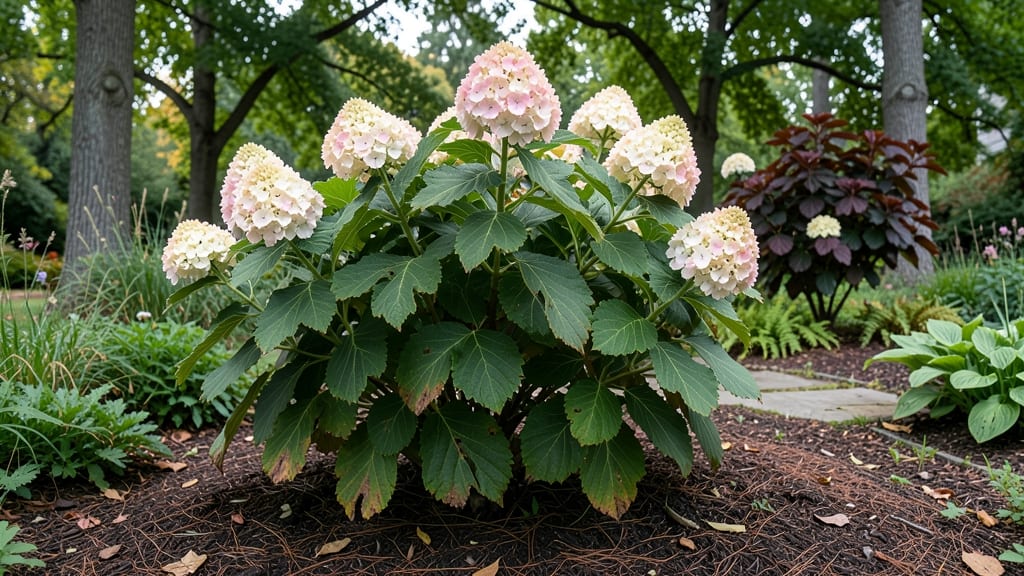
Oak leaf hydrangea thrives in sun or shade 🌿, but the right balance is the secret to those stunning foliage colors and abundant blooms.
Struggling to decide whether your oak leaf hydrangea thrives better in sun or shade? The right light conditions can transform its foliage from dull green to fiery reds and purples—while ensuring those iconic blooms stay vibrant all season.
Too much direct afternoon sun can scorch leaves, while too little light weakens stems and reduces flowering. In USDA Zone 6a, morning sun with afternoon shade is ideal, but regional adjustments matter—hotter climates need more shade, while cooler ones can handle more sun.
Below, I break down how to read your plant’s light needs, adjust care based on exposure, and avoid common mistakes that dull those signature colors.
 Best Window Placement
Optimal sunlight requirements for oak leaf hydrangeas: morning sun vs full shade
Oak leaf hydrangeas (Hydrangea quercifolia) are famous for their stunning foliage and long-lasting blooms, but their sunlight needs can be confusing. Unlike some hydrangeas that prefer deep shade, oak leaf varieties actually thrive with morning sun exposure while benefiting from afternoon shade—especially in hotter climates.
The key is balancing light to prevent leaf scorch while maximizing vibrant foliage colors.
Young seedlings require gentler light conditions—think dappled shade or morning sun only—to avoid stress. Mature plants, however, can handle more direct sunlight, but their care shifts based on your USDA hardiness zone.
In zones 7-9, afternoon shade is almost essential, while cooler zones (4-6) can tolerate more full sun.
Here’s how to match your oak leaf hydrangea’s light needs to your climate and growth stage:
In hot climates like USDA zones 7-9, oak leaf hydrangeas often suffer from leaf scorch when exposed to afternoon sun. Look for crispy, brown edges on leaves—this is your plant’s way of saying, "I’m overheating!"
To fix it, prune nearby trees or install a lightweight shade cloth (30-50% coverage) during peak sun hours (11 AM–3 PM).
Conversely, if your hydrangea’s leaves stay dull green and stems grow weak, it’s likely not getting enough light. In cooler zones (4-6), these plants can handle full sun, but their foliage may fade without proper nutrients.
Boost growth by adding compost-rich mulch and a balanced fertilizer in early spring to support vibrant colors.
Pro tip: Observe your hydrangea’s foliage color changes—deep reds and purples develop best with 4-6 hours of morning sun. If your plant isn’t showing its signature hues, try moving it to a sunnier spot (but avoid harsh afternoon rays).
For container-grown oak leaf hydrangeas, rotate the pot every few weeks to ensure even light exposure.
One common mistake is assuming "shade" means deep darkness. Oak leaf hydrangeas need bright, indirect light—think under high tree branches or near a north-facing wall.
If your garden is fully shaded, consider a south-facing location with reflected light or supplement with a grow light during winter months when natural light dips.
Adjusting your hydrangea’s light exposure isn’t just about sun vs. shade—it’s about seasonal shifts. In summer, provide more shade; in winter, allow more sunlight to encourage bud formation. Watch for weak stems or sparse blooms as clues to tweak your approach.
With the right balance, your oak leaf hydrangea will reward you with bold foliage and abundant flowers for years to come.
🌿
How to adjust care for oak leaf hydrangeas based on sun exposure
Your oak leaf hydrangea can handle both sun and shade, but the care adjustments make all the difference. Too much direct sun without proper hydration leads to crispy leaf edges, while too little light dulls those stunning fall foliage colors.
Let’s break down how to tailor your watering, pruning, and soil care based on whether your plant basks in morning rays or thrives in dappled shade.
First, assess your plant’s current light situation. If it’s in full sun (6+ hours daily), expect more frequent watering and potential afternoon shade protection. In partial shade (3-6 hours), focus on soil moisture retention and pruning to encourage bushier growth.
The key is adapting without stressing the plant—especially during summer heatwaves or winter dormancy.
- 1
- 2
- 3
- 4
- 5
Transitioning your oak leaf hydrangea between sun and shade? Do it slowly! If moving from shade to sun, start with morning sun only and gradually increase exposure.
For sun-to-shade moves, place it in filtered light first to avoid sudden stress. Always monitor the plant’s response—leaf color and growth rate are your best indicators.
In hot climates, afternoon shade is non-negotiable for sun-loving hydrangeas. Use lightweight shade cloth (30-50%) if natural shade isn’t available. For cooler regions, morning sun can boost foliage color intensity while preventing winter damage. The goal? Balance light, water, and care to keep those showstopping blooms year-round.
Pro tip: Group oak leaf hydrangeas with complementary plants like azaleas or fothergilla for a low-maintenance, shade-tolerant garden. Or pair them with sun-loving perennials like black-eyed Susans for contrast. Your plant’s care routine should evolve with its environment—just like its stunning foliage!