
Pests
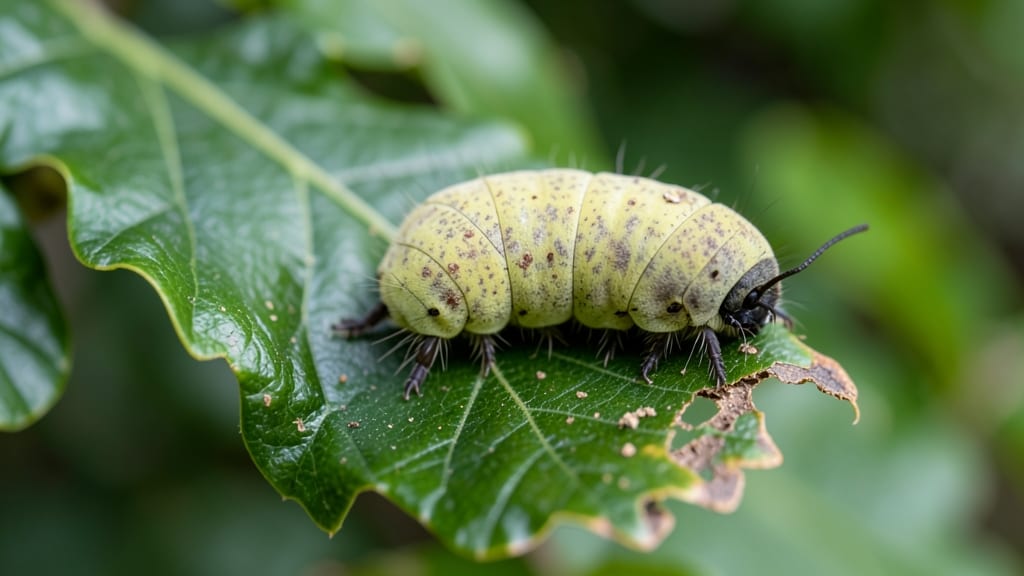
Oak leaf caterpillars can strip your trees bare in weeks if you don’t act fast. 🌳 I’ve watched these fuzzy orange caterpillars turn a healthy oak into a skeleton in just a few days—until I learned these three simple steps to stop them naturally.
The damage starts with skeletonized leaves, then moves to defoliation, and finally weakens the tree’s ability to fight disease. But here’s the good news: you don’t need harsh chemicals. A mix of manual removal, natural predators, and organic sprays keeps your oak thriving without harming the ecosystem.
By following these steps, you’ll see fewer caterpillars within 2-3 weeks, and your tree will bounce back stronger. The key is catching them early—before they multiply—and working with nature’s balance, not against it. Works for all oak varieties, from young saplings to mature trees.
Let’s get your oak back to full, lush green.
The Hidden Triggers Behind Outbreaks
Oak leaf caterpillars—often the fall cankerworm or gypsy moth larvae—don’t just appear out of nowhere. Their sudden presence is usually the result of a mix of environmental factors, tree health, and even human activity.
Understanding these triggers can help you predict and prevent future infestations before they spiral out of control. Here’s why these leaf-munching pests decide your oak trees are an all-you-can-eat buffet.
Healthy trees naturally resist pests, but when oaks are stressed, they become prime targets. Here’s how it happens:
- Nutrient Deficiencies: Trees lacking essential nutrients (like nitrogen, potassium, or magnesium) produce weaker leaves—easier for caterpillars to devour. Test your soil and amend it with compost or slow-release fertilizer if needed. 🔗 See our soil health checklist.
- Drought or Overwatering: Both extremes stress trees. Drought weakens roots, while soggy soil suffocates them. Water deeply but infrequently (1–2 inches per week) to encourage strong root systems.
- Disease or Pest Damage: Previous infestations (e.g., spider mites, borers) or fungal infections (like oak wilt) leave trees vulnerable. Prune dead branches and treat fungal issues with copper-based fungicides to restore resilience.
Pro Tip: 💡 Mulch properly! A 3-inch layer of organic mulch (wood chips, bark) retains moisture, regulates soil temperature, and improves nutrient uptake—giving your oak a fighting chance.
Caterpillars thrive when conditions are just right—warmth, moisture, and shelter. These factors turn your yard into their ideal nursery:
| Factor | How It Helps Pests | What You Can Do |
|---|---|---|
| 🌡️ Mild Winters | Cold winters kill eggs and larvae, but unusually warm temperatures let them survive and multiply. Gypsy moth eggs, for example, hatch earlier in warm springs. | Monitor weather forecasts. If winters are mild, inspect trees in early spring for egg masses. |
| 💧 High Humidity | Moisture keeps eggs from drying out and helps caterpillars stay hydrated. Heavy dew or rain also washes predators (like birds) away. | Improve drainage around tree bases to reduce standing water. Install birdhouses to attract natural predators. |
| 🌿 Dense Canopy | Thick foliage provides shelter from predators and retains moisture, creating a caterpillar-friendly microclimate. | Thin out overgrown branches to increase airflow and reduce hiding spots. |
Pro Tip: ✨ Timing is everything! If your area has a history of early springs, apply natural predators (like BTK bacteria) in late winter to target eggs before they hatch.
In a balanced ecosystem, caterpillars face a gauntlet of predators—birds, parasitic wasps, and even fungi. But when these natural controls disappear, outbreaks explode. Here’s why:
- Habitat Loss: Urbanization and pesticide use eliminate predator habitats (e.g., songbirds nesting in shrubs or wasps hunting in undisturbed soil).
- Overuse of Broad-Spectrum Pesticides: Chemicals like malathion kill caterpillars and their predators (e.g., ladybugs, lacewings). This creates a vacuum effect, letting survivors reproduce unchecked.
- Monoculture Landscaping: Planting only oaks (or one type of tree) removes diversity, starving predators of alternative food sources.
Actionable Fix: 🎯 Encourage biodiversity!
- Plant native flowering shrubs (e.g., serviceberry, elderberry) to attract birds and insects.
- Avoid neonicotinoid pesticides—they’re linked to predator declines.
- Install nesting boxes for bluebirds and chickadees, which eat 100+ caterpillars per day.
Sometimes, we’re the reason caterpillars move in. Unintentional actions can introduce or worsen infestations:
- Firewood or Nursery Plants: Eggs or larvae can hitchhike on contaminated firewood or infested nursery trees. Always inspect new plants and buy from reputable sources.
- Landscaping Practices:
- Topping trees removes protective bark and exposes fresh growth—caterpillar candy!
- Over-fertilizing with high-nitrogen lawn treatments can attract pests by making leaves more palatable.
- Ignoring Early Signs: Tiny chewed notches on leaf edges or silken webs in branches are red flags. Waiting until trees are defoliated gives caterpillars a head start.
Pro Tip: 🔥 Quarantine new plants! Keep nursery purchases separate for 2 weeks and monitor for signs of pests before integrating them into your yard.
Quick Fixes for Leaf Munchers
Now that you know why those ravenous leaf chewers are showing up, let’s tackle them head-on with targeted, eco-friendly solutions. Oak leaf caterpillars (and their kin) may be tiny, but they pack a punch—stripping trees bare in no time.
The good news? You don’t need harsh chemicals to win this battle. Below, we’ll match common causes to practical fixes, plus prevention tips to keep your trees thriving long-term.
If your oak’s leaves are already skeletonized or covered in silk tents, act now to stop further damage.
🍳 Handpick & Destroy (Best for Small Infestations)
- Why it works: Caterpillars are slow-moving and easy to spot on young leaves or bark.
- How to do it:
- Wear gloves and inspect branches early in the morning when caterpillars are sluggish.
- Drop them into soapy water (1 tsp dish soap per gallon) or a sealed bag to drown.
- Focus on eggs (tiny yellow clusters) and larvae hiding under leaves.
- Pro tip 💡: Use a flashlight at dusk—caterpillars are more active then and easier to spot.
👨🍳 Diatomaceous Earth (DE) Barrier (Non-Toxic & Long-Lasting)
- Why it works: DE is a natural powder made from fossilized algae that dehydrates insects without harming plants or pets (once settled).
- How to apply:
- Sprinkle a thin layer on soil beneath trees and along branches after dew has dried (morning or late afternoon).
- Reapply after rain or every 2–3 weeks.
- Avoid using on windy days—it can irritate lungs.
- Pro tip 🌡️: Mix DE with kaolin clay (1:1 ratio) for extra protection against eggs.
For larger infestations, predatory insects and microbes can be your secret weapon.
🐞 Introduce Beneficial Insects (Best for Long-Term Defense)
- Who to recruit:
- Parasitic wasps (like Braconid or Trichogramma) lay eggs inside caterpillars, killing them from within.
- Ladybugs and lacewings devour eggs and young larvae.
- How to attract them:
- Plant native flowers (e.g., dill, fennel, yarrow) near your oak to lure predators.
- Purchase wasps or ladybugs from garden centers and release them at dusk (they’re less active during the day).
- Pro tip ✨: Skip pesticides entirely—neonicotinoids kill these helpful insects too!
🦠 Bacillus thuringiensis (Bt): The Safe Bacteria Bomb
- Why it works: Bt is a soil-dwelling bacterium that targets caterpillars’ digestive systems, killing them within 48 hours—harmless to humans, pets, and other wildlife.
- How to use:
- Mix Bt powder or spray with water and apply to both sides of leaves (focus on new growth).
- Reapply every 7–10 days or after rain.
- Best time: Early morning or late evening to avoid harming bees.
- Pro tip 🎯: Combine Bt with neem oil (1 tsp per gallon) to deter eggs from hatching.
An ounce of prevention is worth a pound of cure. Here’s how to outsmart caterpillars before they arrive.
🍃 Prune Strategically (Remove Hiding Spots)
- When: Late winter or early spring (before eggs hatch).
- How:
- Trim dense foliage to improve airflow—caterpillars love shady, humid spots.
- Remove dead branches where silk tents often form.
- Bag and dispose of pruned branches (don’t compost—they may still harbor eggs).
- Pro tip 🔥: Prune in dry weather to avoid spreading fungal diseases.
🛡️ Physical Barriers (For Young Trees)
- Wrap trunks with tree guards or fine mesh netting to block egg-laying moths.
- Shake branches over a tarp in early spring to dislodge overwintering eggs.
- Pro tip 💡: Use copper tape around trunks—some moths avoid it!
🌿 Soil & Tree Health (Weak Trees Attract Pests)
- Fertilize with compost or organic matter to boost tree resilience.
- Water deeply but infrequently—stressed trees are more vulnerable.
- Avoid over-pruning—healthy foliage deters caterpillars.
- Pro tip 🌱: Mulch with wood chips (not plastic) to retain moisture and deter pests naturally.
Final Reminder: Consistency is key! Check your trees weekly during peak caterpillar season (spring to early summer), and act at the first sign of damage. With these methods, you’ll protect your oak without chemicals—and maybe even restore its lush canopy faster than you think!
Frequently asked questions
What do oak leaf caterpillars look like?
Oak leaf caterpillars vary by species but are typically fuzzy or hairy with distinct colors. Gypsy moth caterpillars are pale blue with red and black spots, while fall cankerworms are grayish with stripes. Look for their telltale silken webs or chewed leaf edges—a sure sign they're munching nearby.
Are oak leaf caterpillars harmful to humans or pets?
Most oak leaf caterpillars are harmless to humans and pets, but some—like gypsy moth caterpillars—can cause skin irritation if handled. Avoid touching them bare-handed, especially if you have sensitive skin. Pets may be curious but won’t be harmed by ingesting a few caterpillars accidentally.
How do I tell if my oak tree has a caterpillar infestation?
Watch for skeletonized leaves (leaves with chewed edges but veins intact), silken webs in branches, or frass (black droppings) on leaves. If you see these signs, act fast—caterpillars can defoliate a tree in just 2-3 weeks if left unchecked.
Can I use chemical pesticides on my oak tree?
Chemical pesticides like malathion can kill caterpillars but also harm beneficial insects and disrupt ecosystems. For most cases, natural methods (like Bacillus thuringiensis or handpicking) work just as well. If you choose chemicals, use them as a last resort and follow label instructions carefully.
Will my oak tree recover if it loses all its leaves?
Yes, but it needs time! A healthy oak can regrow leaves in 4-6 weeks after defoliation. To help recovery, keep the tree well-watered and avoid stressing it further. If defoliation happens yearly, take preventive steps to strengthen the tree’s resilience.