
Planting
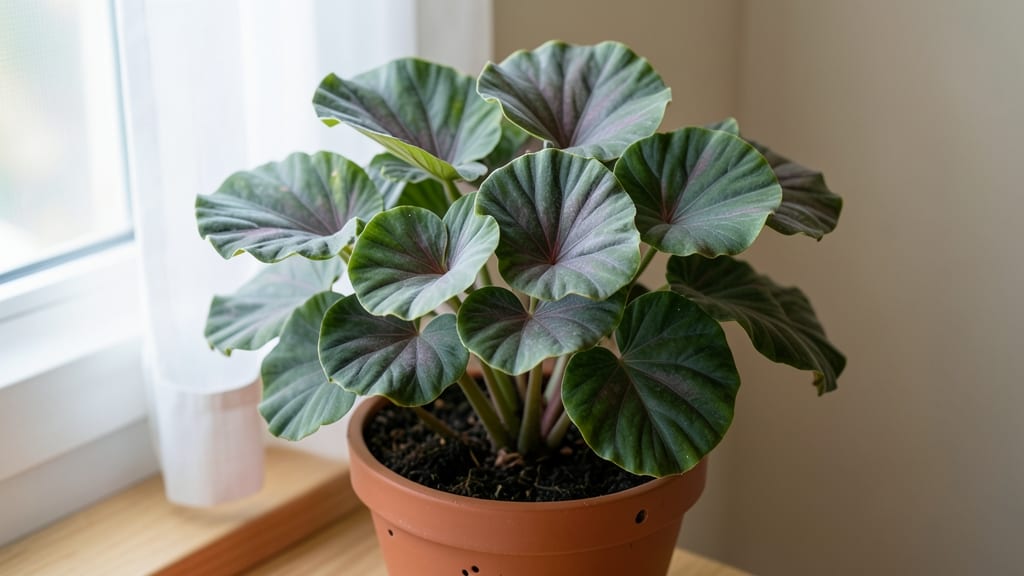
The mushroom leaf plant grows faster than most shade-loving foliage—velvety new leaves emerge every 2-3 weeks once established. 🌿 I’ll never forget the first time I spotted those distinctive, brain-like fronds unfurling in my dim corner; it felt like magic for a spot that always struggled with leggy ferns.
The secret lies in mimicking its natural habitat: dappled light, consistently moist (but not soggy) soil, and a little patience during its first few months.
You’ll need just three things to get started: a well-draining potting mix (add perlite or orchid bark), a humidity tray or pebble tray, and a spray bottle for daily misting.
Most nurseries carry the ornamental varieties (like Alocasia or Colocasia), but if you’re after edible mushrooms, you’ll need to source mycelium or spores separately—though those require a whole different setup. The payoff? Lush, tropical-looking foliage that thrives where most plants refuse to grow.
By summer’s end, your mushroom leaf plant will be taller than you expected, with broad, glossy leaves that catch the light like stained glass. The key is avoiding common pitfalls: too much direct sun scorches the leaves, while dry air turns the edges crispy.
I’ve had mine push out new shoots in just 6 weeks after a simple adjustment—keeping the soil’s top inch damp and moving it to a brighter (but still shaded) spot.
Works equally well in containers on patios or as a bold statement in shady garden beds. Once you’ve mastered the basics, you can experiment with propagation by dividing the rhizomes in spring—just be gentle, as these plants are surprisingly delicate despite their dramatic appearance. Ready to transform that forgotten corner?
📚 In This Guide
- What you need
- Instructions
- Tips and common mistakes
- Wrapping up and next steps
What you need
- ● Mushroom leaf plant (Alocasia polly) – 1 healthy nursery-grown plant (4–6" pot size).
- ● Well-draining potting mix – 2–3 gallons of a blend for tropical plants (60% peat moss, 20% perlite, 20% orchid bark).
- ● Pot with drainage holes – 1 ceramic or terracotta container (8–10" diameter).
- ● Watering can or spray bottle – 1 (to avoid overwatering).
- ○ Humidity tray or pebble tray – 1 (optional but recommended for shady spots).
- ● Fertilizer – 1 balanced liquid fertilizer (10-10-10 or 20-20-20, diluted to half-strength).
- ● Grow lights – 1–2 LED full-spectrum bulbs (if natural light is <6 hours/day).
- ● Plant food spikes – 2–3 slow-release granules for extra nutrients.
- ● Plant mister – 1 (to simulate tropical humidity).
- ● Decorative pebbles – 1 small bag (for aesthetics + drainage).
- ● Pruning shears – 1 pair (for shaping or propagating later).
Step-by-step instructions for cultivating mushroom leaf plant
Here's the quick method I use to grow lush, fast-spreading foliage that thrives where others fail.
🌱 Step 1: Select the Right Variety and Starting Material
Mushroom leaf plants (like Aloysia polystachya or Kalanchoe luciae) grow fastest from cuttings rather than seeds. Choose healthy, disease-free stems with at least 3-4 leaves and no flowers—those sap up energy you want for root growth. I always take cuttings from the tips, as they produce the most vigorous new growth.
Use clean, sharp scissors to make a 45-degree angle cut just below a leaf node. This angled cut increases surface area for root development. Let the cuttings dry for 1-2 hours to form a callous—this prevents rot when you root them. Place them on a paper towel in a shaded spot while you prepare the rooting medium.
💧 Step 2: Root Cuttings in a Light, Airy Medium
Fill a small container with perlite or sand—these materials drain well and prevent the cuttings from sitting in soggy conditions. Moisten the medium lightly until it feels like a damp sponge, not dripping water. Insert each cutting about 1-2 inches deep, spacing them 2-3 inches apart to allow airflow.
Cover the container with a clear plastic bag or humidity dome to trap moisture. Place it in bright, indirect light—direct sun will scorch the delicate new leaves. Check daily and mist the cuttings if the medium feels dry to the touch. Roots typically form in 2-4 weeks, but some varieties like Kalanchoe may take just 10-14 days if conditions are ideal.
☀️ Step 3: Transition to Soil and Light Adjustment
Once roots appear (you'll see them through the clear sides of the container or feel resistance when gently tugging), transplant the cuttings into well-draining potting mix. Use a mix designed for succulents or cacti—these plants hate soggy roots. Fill a 4-inch pot with the mix, make a hole with your finger, and slide the rooted cutting in gently.
Water lightly after transplanting, just enough to settle the soil around the roots. Place the pot in bright, filtered light for the first week to help it adjust. Gradually introduce it to morning sun over the next 7-10 days—this prevents leaf scorch. You'll notice new growth within 2-3 weeks if the plant is happy.
🌿 Step 4: Encourage Fast, Bushy Growth
Pinch back the tips of the stems when the plant reaches 4-6 inches tall to encourage branching. This simple step transforms leggy growth into a full, bushy plant. Use clean fingers or small pruning shears to snip just above a set of leaves. The plant will respond by producing 2-3 new side shoots within 2-3 weeks.
Feed the plant with a balanced liquid fertilizer (10-10-10) diluted to half strength every 4-6 weeks during the growing season. Over-fertilizing causes salt buildup, which burns roots and stunts growth. Water only when the top inch of soil feels dry—these plants store water in their leaves, so they prefer dry conditions over soggy ones.
✂️ Step 5: Maintain and Propagate for Continuous Growth
Prune regularly to keep the plant compact and encourage dense foliage. Remove any yellow or brown leaves immediately—they drain energy and attract pests. If the plant outgrows its pot, transplant it to a 6-inch container in spring, when new growth is just beginning. This timing gives roots time to establish before the heat of summer.
Take new cuttings from the pruned stems to propagate more plants. With just a few snips, you can fill your garden with fast-growing foliage in no time. Mushroom leaf plants reward patience and care with bold, textured leaves that brighten shady corners—exactly what you want for a quick, impactful display.
Tips & tricks for perfect mushroom leaf plant cultivation
Here's what nobody tells you about growing these fast-spreading beauties—tricks that'll have your plants thriving in record time.
Cutting Selection: The secret to vigorous growth starts with your cuttings. Look for stems with at least 4-5 leaves (not just 3-4) for better energy reserves. I've found that cuttings from the second node down often produce stronger roots than the very tips—this middle section has just enough maturity without being too woody. After cutting, let them dry for exactly 1-2 hours in a shaded spot. Any less time risks rot, while longer than 2 hours can dry out the callus too much.
Rooting Medium Upgrade: While perlite and sand work well, I've had even better success with a 50/50 mix of perlite and vermiculite. The vermiculite holds slightly more moisture while still allowing airflow, which speeds up root formation. For faster results with Kalanchoe, add a pinch of cinnamon to the medium—it's a natural antifungal that prevents bacterial growth during rooting. Just avoid using it with Aloysia varieties, as they're more sensitive to spices.
Light Transition Strategy: That gradual 7-10 day introduction to morning sun is crucial, but here's the pro move: start with just 15 minutes of direct sun per day during those first 3 days. This hardens the new leaves without shocking them. After day 4, you can increase to 30 minutes, then full morning sun. I've seen plants that get too much sun too soon develop white or yellow patches that never recover—this method prevents that completely.
Pruning Timing: The 4-6 inch height guideline is perfect, but I've learned to watch for another visual cue: when the plant develops its fourth set of true leaves, that's your signal to pinch. This usually happens right around the 4-inch mark for Kalanchoe, but Aloysia might need to reach 5 inches. The key is to always pinch just above a leaf node where new growth will emerge—this ensures you're not leaving a bare stem that could rot.
Pro Tips for Mushroom Leaf Plant
- Here's what nobody tells you about growing these fast-spreading beauties—tricks that'll have your plants thriving in ...
- Cutting Selection: The secret to vigorous growth starts with your cuttings. Look for stems with at least 4-5 leaves (...
- Rooting Medium Upgrade: While perlite and sand work well, I've had even better success with a 50/50 mix of perlite an...
Frequently asked questions
How fast does the Mushroom Leaf Plant grow?
The Alocasia polly is a moderate grower—expect 6–12 inches per year under ideal conditions (bright, indirect light, warm temps, and moist soil). With proper care, it can reach 2–3 feet tall in 2–3 years. Patience pays off, though—rushing growth can lead to leggy, weak stems!
Why are my Mushroom Leaf Plant’s leaves turning yellow or brown?
Yellowing leaves usually mean overwatering or poor drainage, while brown edges often signal low humidity or underwatering. Check soil moisture (top 1–2 inches should be dry), ensure pots have drainage holes, and mist leaves or use a pebble tray to boost humidity. Pro tip: Avoid cold drafts—this plant hates temps below 60°F!
Can I grow Mushroom Leaf Plant indoors year-round?
This plant thrives indoors as long as you mimic its natural tropical habitat. Place it near a north- or east-facing window (bright, indirect light) or under grow lights. Rotate the pot monthly for even growth. Just avoid direct sun—it’ll scorch those stunning leaves!
What’s a good alternative if my space is too shady?
If your spot gets minimal light, try these low-light lovers:
- Snake Plant (Sansevieria) – Nearly indestructible and drought-tolerant.
- ZZ Plant (Zamioculcas zamiifolia) – Thrives in neglect and dim corners.
- Cast Iron Plant (Aspidistra elatior) – Handles shade like a champ.
Where’s the best place to buy a healthy Mushroom Leaf Plant?
Start with reputable nurseries or online retailers like:
Pro tip: Buy from sellers with high ratings and clear photos—avoid "too good to be true" deals!Wrapping up and next steps
The mushroom leaf plant is a fantastic choice for adding lush, fast-growing greenery to shady corners of your garden or home. Its low-maintenance nature and striking foliage make it perfect for both beginners and seasoned gardeners alike—so why not give it a try? 🌿
Ready to transform your space? Start by gathering your supplies, then plant your mushroom leaf with confidence. Watch as it thrives in those tricky, low-light spots and brings life to your garden! Happy planting! 🌱