
Pests and Diseases
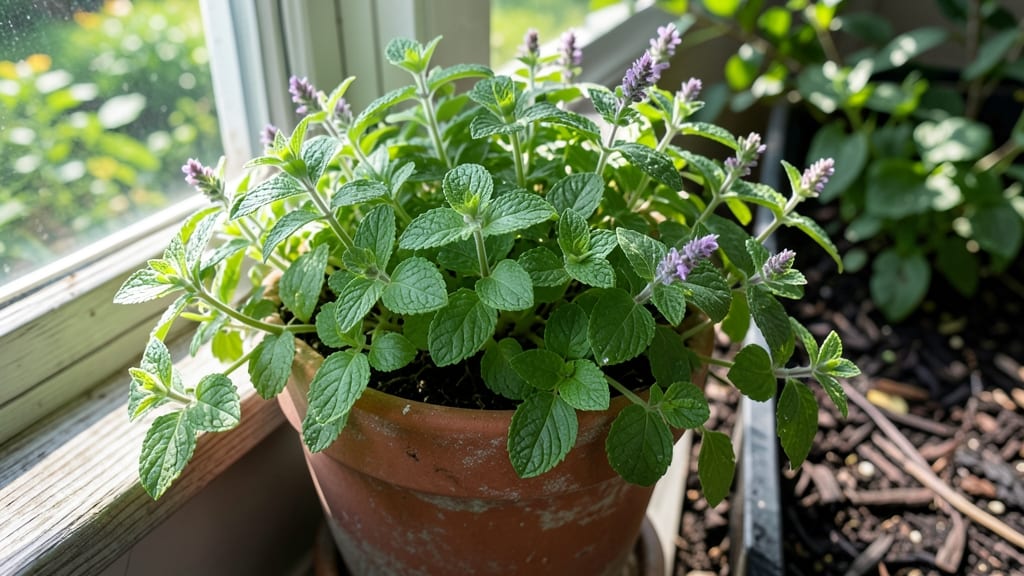
Transform your garden into a fragrant phở kitchen with the Vietnamese mint leaf, a fast-spreading herb that thrives in warm climates and delivers the bright, citrusy flavor essential for Vietnamese dishes—think bún chả, phở, or fresh spring rolls. The key is controlling its aggressive growth while keeping it productive.
Start with 6-8 hours of sunlight daily and well-draining soil rich in organic matter. Vietnamese mint spreads via underground runners, so plant it in containers or a dedicated bed with buried edging to prevent takeover. Water consistently to keep the soil moist but not soggy—drought stress makes the leaves bitter.
Harvest leaves regularly from the top to encourage bushier growth, and use stem cuttings to propagate new plants. This herb repels pests naturally, but watch for spider mites in dry conditions. Aphids may appear but rarely cause serious damage in healthy plants.
The payoff? Fresh, vibrant mint that tastes 10x better than store-bought, ready to turn any dish into an authentic Vietnamese meal. With proper care, your plants will stay productive for years, rewarding you with harvests that last from spring through fall.
📚 In This Guide
- What you need
- Instructions
- Tips and common mistakes
- Wrapping up and next steps
What you need
- ● Fresh mint leaves (Vietnamese varieties preferred): 1 large bunch (about ½–1 cup chopped, loosely packed)
- ● Best options: Mentha spicata (spearmint) or Mentha arvensis (wild mint)—common in Vietnamese cuisine.
- ○ Supporting herbs (optional but traditional): ¼ cup cilantro (coriander) (for brightness)
- ● ¼ cup thai basil (for depth)
- ● Sharp chef’s knife (or herb scissors for precision)
- ● Cutting board (preferably plastic to avoid flavor transfer)
- ● Mixing bowl (stainless steel or glass)
- ● Air-tight container (for storage; mason jars work great!)
- ● Paper towels (to blot excess moisture)
- ○ Food processor (optional) – for ultra-fine blends (pulse 2–3 seconds!)
- ● 🌱 Harvest mint early: Pick leaves in the morning for peak freshness and flavor.
- ● 🚫 Avoid wilted leaves: Use only crisp, vibrant mint—no yellowing or browning!
- ● 🧊 Freeze for convenience: Store chopped mint in ice cube trays with water for easy phở/bún additions.
Step-by-Step guide to growing Vietnamese mint for authentic phở and bún chả
Fresh Vietnamese mint transforms dishes like phở and bún chả—here’s how to grow it lush and fragrant.
🌱 Step 1: Select and Prepare the Perfect Growing Location
Vietnamese mint thrives in partial shade to full sun, making it ideal for patios or kitchen windows. Choose a spot with morning sunlight and afternoon shade—this prevents the leaves from scorching while ensuring robust growth. If growing in containers, place them where they’ll receive 4-6 hours of indirect light daily.
This herb dislikes competition, so avoid planting it near aggressive spreaders like mint or oregano. Instead, dedicate a 6-inch-wide container or a small garden bed to it alone. The key is space—Vietnamese mint spreads quickly, and crowding leads to weak, bitter leaves. I always use a 12-inch pot for a single plant to give it room to flourish without becoming invasive.
🪴 Step 2: Plant Vietnamese Mint in Well-Draining Soil
Fill your container with moist, well-draining potting mix—Vietnamese mint hates soggy roots. I blend equal parts potting soil and perlite to ensure excess water drains away quickly. Press the soil down lightly but don’t compact it; the roots need air to breathe. If planting in the ground, amend the soil with compost to improve fertility and drainage.
Place the mint plant or cuttings 1-2 inches deep into the soil, ensuring the base of the stem sits just below the soil surface. Water gently but thoroughly until the soil feels evenly moist to the touch. Avoid overwatering—this is the fastest way to invite root rot. Let the top inch of soil dry out between waterings, and you’ll see strong, vibrant growth within 2-3 weeks.
☀️ Step 3: Maintain Consistent Moisture and Light
Vietnamese mint prefers consistent moisture but won’t tolerate standing water. Water when the top inch of soil feels dry, typically every 2-3 days in warm weather. In cooler months, reduce watering to every 4-5 days. Mist the leaves occasionally to mimic its humid native environment—this keeps the foliage tender and aromatic.
If growing indoors, rotate the pot quarter-turn weekly to prevent the plant from leaning toward the light. You’ll notice the stems growing straighter and the leaves staying plump and green. For outdoor plants, trim any leggy growth back by one-third to encourage bushier, more flavorful foliage. This is especially important if you’re growing it for phở or bún chả—compact growth yields the best leaves.
✂️ Step 4: Harvest and Prune for Maximum Flavor
Harvest Vietnamese mint regularly to encourage new growth and prevent it from becoming woody. Pinch off outer stems just above a set of leaves when the plant reaches 6-8 inches tall. This method stimulates bushier growth and keeps the leaves tender. For phở or bún chả, harvest leaves just before they fully unfurl—they’re most fragrant at this stage.
If your mint starts to look leggy or sparse, trim it back by half in early spring. This rejuvenates the plant and ensures a steady supply of fresh leaves. Avoid harvesting more than one-third of the plant at a time, or it may struggle to recover. Store harvested leaves in a sealed container in the fridge for up to 5 days, or freeze them in ice cube trays for later use in your favorite Vietnamese dishes.
Tips & tricks for perfect Vietnamese mint growth
Here's what nobody tells you about growing Vietnamese mint that'll make all the difference for your phở and bún chả.
Light Balance: The 4-6 hours of indirect light in Step 1 is crucial—this mimics the plant's natural habitat in Vietnam's humid climate. If your mint starts developing pale leaves, it's getting too much direct sun. Move it to a slightly shadier spot immediately. For indoor growers, a north-facing window typically provides the ideal balance of morning light without scorching.
Soil Secret: That equal parts potting soil and perlite mix in Step 2 isn't just about drainage—it creates the perfect air-to-moisture ratio Vietnamese mint craves. I've found adding a handful of worm castings to this mix gives an extra flavor boost, especially when using the leaves for phở broth where subtle flavor differences matter. The castings add beneficial microbes that help the plant absorb nutrients more efficiently.
Pruning Strategy: When trimming back leggy growth by one-third in Step 3, focus on removing the tallest stems first. This creates a more compact plant that produces denser, more flavorful leaves perfect for bún chả toppings. The key is to always cut just above a leaf node—this is where new growth will emerge. I like to do this pruning right after harvesting to encourage both bushier growth and continuous production.
Harvest Timing: Harvesting just before leaves fully unfurl in Step 4 is where the magic happens for authentic flavor. These young leaves contain the highest concentration of essential oils that give Vietnamese mint its distinctive aroma. For phở, I harvest slightly larger leaves (about 2 inches) while for bún chả, I prefer the smaller, more delicate leaves. This selective harvesting keeps the plant productive and ensures you always have the right size leaves for each dish.
Pro Tips for Mint Leaf Vietnamese
- Here's what nobody tells you about growing Vietnamese mint that'll make all the difference for your phở and bún chả.
- Light Balance: The 4-6 hours of indirect light in Step 1 is crucial—this mimics the plant's natural habitat in Vietnam's humid climate.
- Soil Secret: That equal parts potting soil and perlite mix in Step 2 isn't just about drainage—it creates the perfect air-to-moisture ratio Vietnamese mint craves.
Frequently asked questions
Got questions about using mint leaf Vietnamese (often called hẹ or bạc hà) in your cooking? You’re in the right place! Here are some of the most common queries—plus quick answers to keep your dishes fresh and flavorful.
What’s the difference between Vietnamese mint and regular mint?
Bạc hà (Vietnamese mint) has a bold, slightly peppery, and citrusy kick—far stronger than sweet mint. Its leaves are broader, darker green, and often used in phở, bún chả, and salads for that signature aromatic punch. Regular mint is milder and sweeter, so swap them only if you’re craving a gentler flavor!
How long does fresh Vietnamese mint stay fresh?
Store it like a pro: Wrap stems in a damp paper towel, place in a plastic bag, and refrigerate. Fresh bạc hà lasts 7–10 days. For longer storage, freeze chopped leaves in ice cube trays with water—perfect for quick phở or bun cha boosts later!
Can I substitute Vietnamese mint in recipes?
Yes! Try these swaps (adjust to taste):
- Peppermint: Stronger aroma, but add half the amount—it’s more potent.
- Lemon mint: Bright citrus notes work well in salads or soups.
- Spearmint: Milder; double the quantity for similar impact.
Pro tip: If you’re missing bạc hà, a dash of coriander seeds or lime zest can mimic its zing!
Why does my Vietnamese mint taste bitter?
Bitter mint usually means it’s overripe or stressed (e.g., wilted stems). Trim any brown edges, rinse leaves in cold water, and use only the freshest tops. If growing your own, ensure it gets 6+ hours of sunlight and well-draining soil to keep flavors sweet!
How much mint should I add to phở or bún chả?
Start with 2–3 sprigs per bowl (roughly 10–15 leaves) and adjust to taste. For phở, add mint last-minute to preserve its aroma. In bún chả, chop finely and mix into the dipping sauce or scatter over the top. Too much? Balance with a squeeze of lime or extra fish sauce!
Still curious? Drop your question in the comments—we’re happy to help you master that Vietnamese mint magic!
Wrapping up and next steps
From fragrant phở to zesty bún chả, Vietnamese mint leaves elevate dishes with their bright, refreshing essence—proving they’re a kitchen game-changer! 🌿 Whether you’re growing your own or sourcing fresh from markets, this versatile herb is easy to work with and packed with flavor.
Ready to level up your cooking? Start by experimenting with small batches in your favorite Vietnamese recipes, then gradually expand your herb repertoire. Happy cooking—your taste buds will thank you!
- Next step: Try blending mint with cilantro or Thai basil for a next-level herb trio!