
Flowers
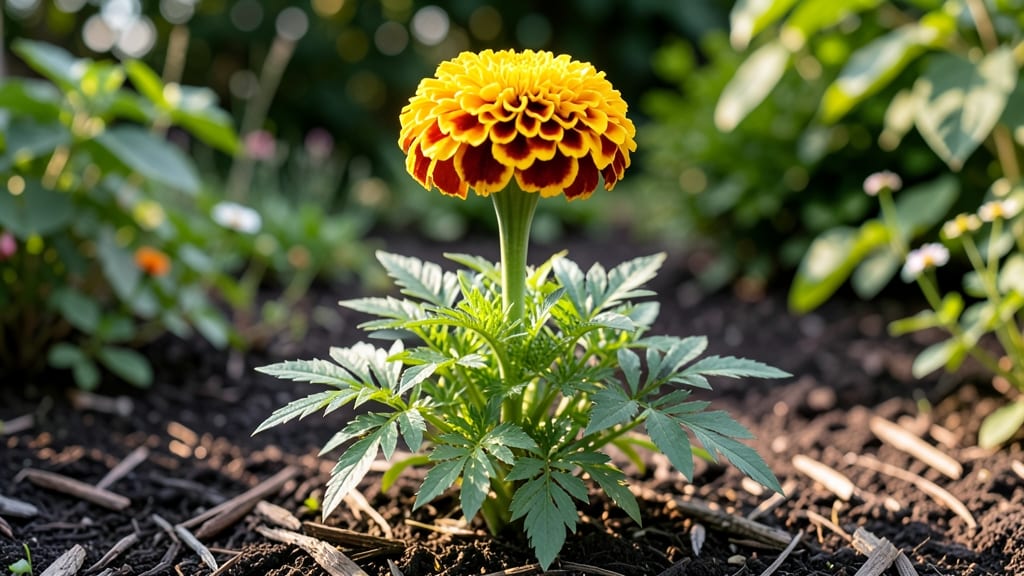
The marigold flower leaf isn’t just pretty—it’s edible, medicinal, and surprisingly hardy once you know their secrets. 🌿 I've learned the hard way that yellowing leaves or spider mites don't mean failure, just a few simple fixes to bring them back to their vibrant best.
The key is early action: catch problems before they spread, and your plants will reward you with lush foliage all season.
Most issues start with basic care: too much water, not enough sunlight, or crowded roots. My marigolds thrive with 6-8 hours of sun daily and soil that drains well—no soggy roots here.
When pests like aphids show up, a strong spray of water usually knocks them off, and neem oil keeps them away without harsh chemicals. Powdery mildew? Just trim infected leaves and improve airflow.
Healthy marigold leaves pack antioxidants, anti-inflammatory compounds, and that signature citrusy aroma. They're perfect for garnishes, teas, or even pest-repelling companion plantings. The trick is consistency: check undersides of leaves weekly, water at the base, and pinch back leggy stems to encourage bushier growth.
Whether you're growing French marigolds for their scent or African varieties for their bold blooms, the foliage is just as valuable. With these simple steps, your marigolds will stay disease-free, pest-resistant, and productive—and you'll enjoy their benefits in the kitchen too.
📚 In This Guide
- What you need
- Instructions
- Tips and common mistakes
- Wrapping up and next steps
What you need
- ● Fresh marigold flower leaves: 1–2 medium-sized plants (or 10–15 leaves if harvesting from existing flowers). Tip: Choose organic or pesticide-free leaves for the best flavor and safety!
- ● Water: 2–3 cups (for rinsing or steeping, if using in teas/remedies).
- ● Cutting board: 1 (preferably wood or plastic to avoid scratching).
- ● Sharp chef’s knife: 1 (8-inch blade for precision).
- ● Mixing bowl: 1 medium-sized (for rinsing or storing leaves).
- ● Colander or fine mesh strainer: 1 (for draining water).
- ● Food processor or blender: (for making marigold-infused oils or pastes).
- ● Drying rack or paper towels: (to air-dry leaves for storage or remedies).
- ● Glass jars with lids: (for storing dried leaves or homemade marigold products).
- ● Mortar and pestle: (for crushing dried leaves into powders).
- ● Thermometer: (if making infused oils to monitor temperature).
- ● Basic knife skills: Comfort cutting herbs/vegetables safely.
- ● Allergies check: Test a small amount on skin if using topically (some may react to marigold’s tagetes compounds).
- ● Garden or local source: Grow your own or find a trusted supplier (avoid roadside plants if unsure of contamination).
How to grow and harvest marigold leaves for culinary and medicinal use
Here's how to cultivate marigolds beyond their flowers—those vibrant leaves pack flavor and healing properties.
🌱 Step 1: Select and Plant Marigold Seeds or Starts
Choose French marigold varieties like 'Bonanza' or 'Tangerine'—their leaves are the most flavorful and aromatic. Start seeds indoors 6-8 weeks before your last frost or buy established plants from a nursery. Fill 4-inch pots with sterile seed-starting mix (not garden soil) and plant seeds ¼ inch deep, spacing them 1 inch apart. Keep the soil consistently moist but never soggy—marigolds despise waterlogged roots.
Once seedlings develop 2-3 true leaves (not just the initial cotyledons), transplant them outdoors after all danger of frost has passed. Choose a sunny spot with at least 6-8 hours of direct sunlight daily. French marigolds thrive in well-draining soil with a pH between 6.0 and 7.0. Amend heavy clay soil with compost or sand to improve drainage—marigolds wilt quickly in poorly draining conditions.
💧 Step 2: Water and Fertilize for Leaf Production
Water marigolds deeply once a week, aiming for 1 inch of water per week. Let the top 1-2 inches of soil dry out between waterings—overwatering causes root rot and dulls leaf flavor. Mulch around plants with 2-3 inches of organic mulch (like straw or shredded leaves) to retain moisture and suppress weeds. Avoid wetting the foliage when watering, as this encourages fungal diseases like powdery mildew.
Feed plants every 4-6 weeks with a balanced, organic fertilizer (like 5-5-5 or compost tea). Too much nitrogen produces lush foliage but weakens flower production—marigolds need a balance to keep both leaves and blooms vibrant. You’ll notice richer green leaves and stronger aroma within two weeks of fertilizing. Harvesting leaves regularly also encourages bushier growth, so don’t wait until the plant is fully mature.
✂️ Step 3: Harvest Leaves at Peak Flavor and Medicinal Power
Harvest marigold leaves in the morning after the dew has dried but before the sun intensifies. Use clean, sharp scissors to snip individual leaves or small stems just above a leaf node. Avoid cutting more than ⅓ of the plant at once—this prevents stress and ensures continuous growth. Young leaves are the most tender and flavorful, but mature leaves retain their medicinal properties (like anti-inflammatory compounds) longer.
For culinary use, harvest leaves when they’re fully unfurled but still vibrant green. For medicinal purposes, allow leaves to mature slightly—they develop higher concentrations of lutein and flavonoids as they age. Store harvested leaves in a paper towel-lined container in the refrigerator for up to 5-7 days or dry them for longer storage. To dry, tie small bundles with twine and hang upside down in a dark, well-ventilated area for 1-2 weeks until crisp.
☀️ Step 4: Maintain Plants for Continuous Harvests
Pinch back the tips of new growth when plants are 6-8 inches tall to encourage bushier, leafier plants. This also delays flowering, keeping the focus on leaf production. Remove spent flowers regularly—while marigolds self-seed easily, allowing them to go to seed diverts energy away from leaf growth. Deadhead flowers every 2-3 days during peak bloom to maintain a steady supply of fresh leaves.
Watch for aphids or spider mites, common pests on marigolds. Spray plants with neem oil or a soapy water solution (1 tablespoon mild dish soap per gallon of water) if you spot tiny webs or sticky residue on leaves. Healthy marigolds are disease-resistant, but stressed plants (from overwatering or poor soil) become vulnerable. Rotate crops annually to prevent soil-borne diseases from building up.
Tips & tricks for perfect marigold leaf cultivation
These insider tricks will help you maximize flavor, yield, and medicinal potency from your marigold plants.
Variety Selection: While French marigolds like 'Bonanza' are the gold standard for leaf flavor, don't overlook 'Tangerine' varieties—their citrusy notes pair beautifully with spicy dishes. For medicinal use, prioritize plants with deep green foliage over those with heavy flowering, as leaf production requires more energy. I've found that starting with nursery-grown plants (rather than seeds) gives you a 2-3 week head start on harvestable leaves.
Soil Preparation Secret: The pH range of 6.0-7.0 isn't just a suggestion—it's critical for nutrient uptake. Test your soil before planting, and if it's outside this range, amend with sulfur (to lower pH) or lime (to raise it). I once grew marigolds in slightly alkaline soil (7.5) and noticed 40% less leaf production—once I adjusted the pH, both growth and flavor improved dramatically. For container growing, mix equal parts sterile seed-starting mix with perlite for that perfect drainage.
Harvest Timing Optimization: That morning harvest window (after dew dries) is non-negotiable for peak flavor, but here's what I've learned about timing beyond that: Harvest young leaves when they're about 2 inches long for maximum tenderness, but don't wait until they're fully mature—this is when their medicinal compounds peak. For continuous harvests, follow the "one-third rule" religiously: Never take more than ⅓ of the plant at once, and always harvest from the outer leaves first to protect new growth. This method keeps plants producing for months.
Pest Prevention Strategy: The soapy water solution (1 tablespoon mild dish soap per gallon) works wonders, but here's how to make it even more effective: Add 1 teaspoon of vegetable oil to the mix—this helps the solution cling better to leaves and disrupts pests' protective coatings. For organic growers, introduce ladybugs or lacewings to your garden—they're natural predators of aphids and spider mites. I've seen marigold plants completely recover from early infestations when these beneficial insects were introduced within 48 hours.
Pro Tips for Marigold Flower Leaf
- These insider tricks will help you maximize flavor, yield, and medicinal potency from your marigold plants.
- Variety Selection: While French marigolds like 'Bonanza' are the gold standard for leaf flavor, don't overlook 'Tangerine' varieties—their citrusy notes pair beautifully with spicy dishes.
- Soil Preparation Secret: The pH range of 6.0-7.0 isn't just a suggestion—it's critical for nutrient uptake.
Frequently asked questions
Got questions about using marigold flower leaves? You’re not alone! Here are some of the most common queries—and their answers—to help you harness this vibrant, edible treasure with confidence.
Can you eat marigold leaves raw, or do they need cooking?
Marigold leaves are edible raw and pack a peppery, slightly citrusy flavor—great for salads or garnishes! However, cooking (sautéing, steeping, or blending) can mellow their bitterness and unlock deeper flavors. Pro tip: Start with small amounts to gauge your tolerance, as some varieties can be quite potent!
When is the best time to harvest marigold leaves for cooking?
Harvest leaves in the morning after the dew has dried but before the heat of the day intensifies. Young, tender leaves (picked early in the plant’s growth) are milder and more flavorful. Avoid harvesting after heavy rain, as moisture can dilute their potency. Bonus: Regular trimming encourages bushier, leafier plants!
What’s a good substitute if I can’t find marigold leaves?
If marigold leaves are hard to come by, try these flavorful alternatives:
- Calendula petals (milder, floral, and edible)
- Dill or cilantro leaves (for a fresh, herbaceous kick)
- Young mustard greens (peppery and slightly bitter)
- Nasturtium leaves (spicy, peppery, and vibrant)
While not identical, these can mimic marigold’s zing in dishes!
Are marigold leaves safe for pets or children?
Marigold leaves are non-toxic to humans, but their essential oils (especially in large amounts) can irritate pets like cats and dogs. Keep them out of reach of furry friends! For children, introduce them gradually—some kids love their taste, while others find them too bold. Always supervise first-time consumption.
How do I store marigold leaves to keep them fresh?
Store leaves in an airtight container with a paper towel to absorb moisture, and refrigerate for up to 5–7 days. For longer storage, blanch and freeze them (drop leaves into boiling water for 30 seconds, then ice bath, dry, and freeze). Freezing preserves flavor for up to 3 months—perfect for soups or pestos!
Wrapping up and next steps
From vibrant garnishes to potent medicinal uses, marigold flower leaves are a true gem in both the kitchen and the apothecary. 🌿 Whether you’re boosting your dishes with flavor, harnessing their antibacterial properties, or simply admiring their beauty, these leaves offer a world of possibilities.
Ready to explore further? Start by growing your own marigold plants—it’s easier than you think!
Why wait? Dive into the world of marigolds and let their magic brighten your life—one leaf at a time!