
Neem Oil
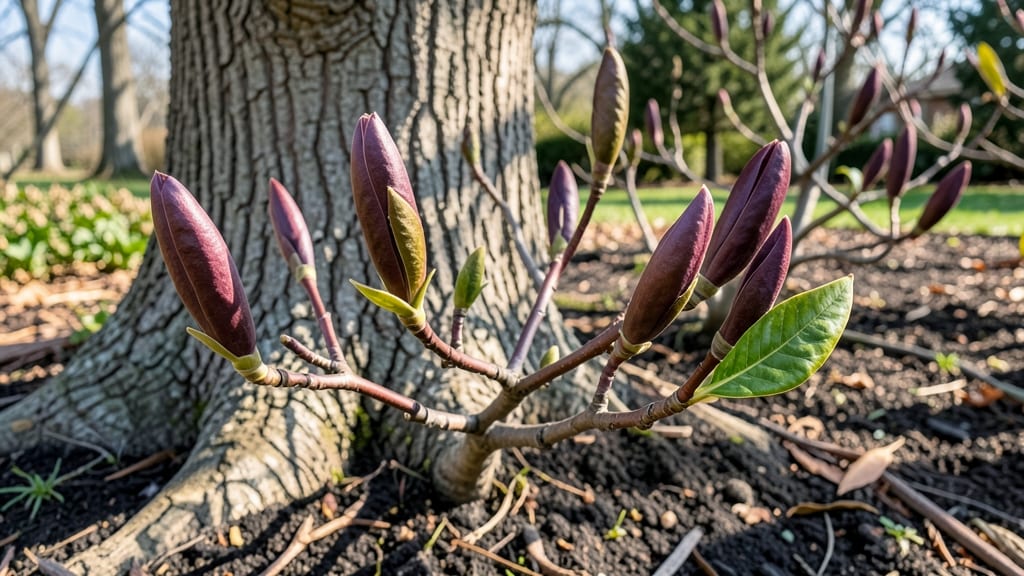
Your magnolia’s leaf buds hold the secret to next year’s stunning blooms—and neem oil can save them from fungal rot. 🌿 I’ve watched these plump, red-tipped buds transform from fuzzy little knots into glossy green leaves, but fungal diseases like anthracnose can turn them into sticky, blackened messes before they even open.
The best time to act is late winter, when buds are swollen but dormant. A 2% neem oil solution sprayed every 2-3 weeks creates a protective barrier without harming bees or beneficial insects.
Think of it as armor for your tree’s future foliage—one spray now means fewer brown spots and more vibrant leaves by spring. You’ll notice buds plumping up in late winter to early spring, right before the first flush of new growth.
Healthy buds feel firm to the touch and smell faintly sweet when crushed. If they’re soft or oozing, it’s too late for neem oil—you’ll need to prune them off entirely to prevent spread.
This isn’t just about saving buds; it’s about stronger growth, bigger blooms, and a tree that thrives for decades. The neem oil method works for all magnolia varieties, from saucer magnolias to star magnolias—just adjust timing based on your local frost dates.
📚 In This Guide
- What you need
- Instructions
- Tips and common mistakes
- Wrapping up and next steps
What you need
- ● Magnolia leaf buds: Freshly harvested (or still on the tree) from a healthy magnolia plant. Aim for at least 50 buds for noticeable results.
- ● Neem oil (100% cold-pressed): 1–2 tablespoons (organic, food-grade preferred). Avoid pesticides or additives.
- ● Water: 1 quart (32 oz) of lukewarm water (not hot or cold).
- ○ Horticultural oil or vegetable oil (optional): 1 teaspoon to help emulsify neem oil if needed.
- ● Spray bottle (8–16 oz): With a fine mist nozzle for even coverage.
- ● Gloves (nitrile or rubber): A pair to protect your skin from neem oil.
- ● Pruning shears (sterilized): For trimming affected buds or branches (if necessary).
- ● Mixing container: A glass or stainless-steel bowl (avoid plastic—neem oil can degrade it).
- ● Wooden or silicone spoon: For stirring the solution (metal can react with neem oil).
- ● Labeling tape & marker: To mark your spray bottle with the date and mixture.
- ● Damp cloth or paper towels: For quick cleanups (neem oil stains!).
- ○ Safety goggles (optional): If you’re sensitive to fumes or working in windy conditions.
- ● Weather check: Apply on a calm, dry day (avoid rain for 24 hours before/after).
- ● Timing: Best applied in early morning or late afternoon to reduce sun exposure.
- ● Plant health: Remove severely damaged buds or leaves before treatment.
- ● Neem oil sensitivity test: Spot-test a small branch 24 hours before full application.
Step-by-Step guide to reviving magnolia leaf buds with neem oil
Here's how I restore vitality to struggling magnolia buds using neem oil—simple, effective, and safe for your tree.
🌿 Step 1: Assess Bud Health and Prune Damaged Growth
Examine the leaf buds closely for signs of fungal infection—look for dark, mushy spots or buds that appear swollen and discolored. Healthy buds should feel firm and have a tight, unbroken surface. Use sharp pruning shears to remove any buds showing clear signs of disease or damage, cutting back to just above a healthy bud or lateral branch.
I always prune in the late winter or early spring before new growth begins. This timing gives the tree a clean start and prevents fungal spores from spreading to fresh buds. Sterilize your pruning tools with rubbing alcohol between cuts to avoid cross-contamination.
💧 Step 2: Apply Neem Oil Solution to Fungal Hotspots
Mix 1 tablespoon of neem oil with 1 quart of water and ½ teaspoon of mild liquid soap (like Castile soap) in a spray bottle. The soap helps the solution stick to the leaves and buds. Shake well before each use—neem oil separates from water. Apply the mixture directly to the buds and surrounding foliage, focusing on areas with visible fungal signs.
Spray in the early morning or late afternoon when temperatures are below 85°F to avoid stressing the tree. Avoid spraying when rain is forecast within 24 hours, as it can wash off the treatment. I like to apply this solution every 7-10 days for 4 weeks to build resistance and clear existing infections.
☀️ Step 3: Improve Airflow and Light Exposure Around the Tree
Fungal issues often thrive in dense, shaded areas with poor airflow. Thin out any overgrown branches or nearby plants that might be blocking sunlight or trapping moisture. Aim for at least 6 feet of clearance around the base of the magnolia to allow air to circulate freely.
If your magnolia is planted in a shady spot, consider gradually introducing more sunlight by pruning nearby trees or relocating it to a sunnier area over time. Magnolias generally prefer partial shade to full sun, but they need airflow to dry out quickly after rain—this is key to preventing fungal reinfection.
✂️ Step 4: Fertilize and Mulch for Long-Term Bud Health
Spread a balanced, slow-release fertilizer (like 10-10-10) around the base of the tree, keeping it 6 inches away from the trunk. Water the area thoroughly to help the fertilizer absorb into the soil. This boosts the tree's overall health, making it more resilient to fungal attacks. I fertilize in early spring and again in mid-summer for best results.
Add a 2-3 inch layer of organic mulch (like shredded bark or wood chips) around the base, but avoid piling it against the trunk. Mulch helps retain moisture, regulates soil temperature, and reduces competition from weeds. Replenish the mulch layer as it breaks down to maintain its protective benefits.
🌱 Step 5: Monitor and Repeat Treatments as Needed
Check the buds and leaves weekly for new signs of fungal growth or bud damage. If you notice any recurrence, repeat the neem oil treatment immediately. Healthy buds will start to plump up and show signs of new growth within 4-6 weeks of consistent care.
I keep a small notebook by the tree to track treatments and observations. Note the dates of applications, weather conditions, and any changes in bud appearance. This helps me adjust my approach for future seasons. With patience and consistency, your magnolia should bounce back with strong, vibrant buds ready for spring blooms.
Tips & tricks for reviving magnolia buds
Here's what nobody tells you about getting your magnolia back to full, healthy bloom—these tricks make all the difference.
Precision Pruning: When removing damaged buds in Step 1, cut just above a healthy bud or lateral branch at a 45-degree angle. This encourages new growth from the right spot. I use a clean, sharp pair of pruners for each cut to prevent spreading disease. The goal is to remove only what's infected while preserving the tree's natural shape.
Neem Oil Application Technique: In Step 2, focus the neem oil solution on the undersides of leaves and directly on the buds—this is where fungal spores often hide. Use a fine mist setting on your spray bottle to ensure even coverage. I find that applying in the early morning gives the solution time to dry completely before afternoon heat sets in, which helps prevent stress on the tree.
Airflow Optimization: For Step 3, don't just thin branches—remove any ground debris or leaf litter around the base of the tree. This prevents fungal spores from finding a home near your magnolia. I also recommend installing a small fan on a low setting near the tree for 10-15 minutes daily if your magnolia is in a particularly humid area. This mimics natural airflow without harming the tree.
Fertilizer Timing: When fertilizing in Step 4, I've found that applying a light layer of compost around the base (in addition to the fertilizer) provides extra nutrients without overwhelming the tree. This is especially helpful if your magnolia is still recovering from fungal stress. Water thoroughly after applying both to help everything absorb properly.
Pro Tips for Magnolia Leaf Buds
- Here's what nobody tells you about getting your magnolia back to full, healthy bloom—these tricks make all the difference.
- Precision Pruning: When removing damaged buds in Step 1, cut just above a healthy bud or lateral branch at a 45-degree angle.
- Neem Oil Application Technique: In Step 2, focus the neem oil solution on the undersides of leaves and directly on the buds—this is where fungal spores often hide.
Frequently asked questions
Got questions about growing and caring for magnolia leaf buds?
Here are some of the most common inquiries—and expert answers—to help you nurture healthy, resilient plants with neem oil protection.
When is the best time to harvest magnolia leaf buds for propagation?
Harvest semi-hardwood cuttings in late spring to early summer (May–June) when new growth is mature but still flexible. Avoid extreme heat or frost—aim for 60–75°F temps. Early morning harvests yield the freshest buds for rooting success.
How often should I apply neem oil to prevent fungal issues on magnolia buds?
Apply neem oil every 7–14 days during active growth (spring/fall) to deter powdery mildew or leaf spot. Mix 1–2 tbsp per gallon of water, spray evenly (including undersides), and avoid spraying in direct sunlight. Pro tip: Rotate with copper fungicide yearly for resistance.
Why are my magnolia leaf buds turning brown or crispy?
Brown buds often signal fungal infection, underwatering, or winter burn. Check for powdery residue (fungus) and treat with neem oil. For dryness, water deeply at soil level (not leaves) and mulch to retain moisture. If buds appear after winter, they may have frost damage—prune affected branches in early spring.
Can I use magnolia leaf buds for tea or culinary purposes?
While not edible raw, magnolia buds are used in traditional Chinese medicine for respiratory relief. Steep 1 tsp dried buds in hot water (5 mins) for tea—but avoid if allergic to magnolia pollen. Never consume fresh buds; they’re toxic. Stick to ornamental or medicinal uses!
What’s a good alternative if my magnolia buds won’t root?
Try layering (bending a low branch to the ground, covering with soil) or grafting onto a compatible rootstock like southern magnolia. For stubborn cases, propagate from seed (slower but foolproof)—stratify seeds in moist sand for 3 months before planting. Patience pays off!
Wrapping up and next steps
Growing magnolia leaf buds with neem oil isn’t just about reviving your plant—it’s about empowering your green thumb with a natural, sustainable solution! 🌿 By following these steps, you’ve equipped yourself to combat fungal threats and nurture thriving buds.
Now, take that confidence and watch your magnolia flourish like never before.
Ready to see real results? Start by monitoring your plant’s progress weekly and adjust your neem oil treatments as needed. Your magnolia’s health—and your gardening pride—will thank you! 🌟