
Blooming
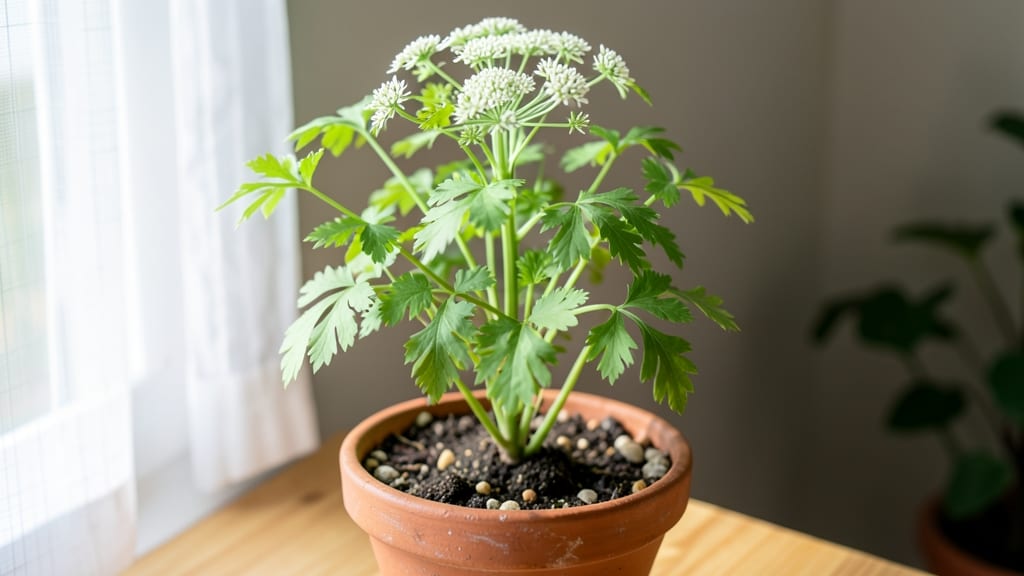
Your kitchen herbs just got a bold upgrade—long leaf cilantro thrives where regular cilantro bolts. 🌿 I’ve grown this fragrant workhorse in containers for years, and it never fails to deliver lush, peppery leaves all season long, even in heat.
The secret? A few simple adjustments to soil, water, and sunlight that keep it happy and productive.
This cilantro loves well-draining soil mixed with compost and a sunny spot (6+ hours of light daily), but it won’t bolt like its cousins. Water when the top inch feels dry—consistent moisture is key—and pinch back stems to encourage bushier growth.
A 5-7 gallon container works perfectly, giving roots room to spread without overcrowding.
By mid-summer, you’ll be harvesting bright green, tangy leaves that stay tender and flavorful—no bitter stems in sight. The harvest never stops if you keep it trimmed, and the aroma? Pure magic when crushing fresh leaves for tacos, soups, or salads. It’s the cilantro I wish I’d discovered years ago.
Works just as well on patios, balconies, or windowsills as it does in the ground. Once you try it, you’ll never go back to the short-leaf variety again. Let’s get those seeds planted—or better yet, those plants growing!
📚 In This Guide
- What you need
- Instructions
- Tips and common mistakes
- Wrapping up and next steps
What you need
- ● Seeds: Coriandrum sativum (long leaf variety) – 1 packet (50-100 seeds) or 3-5 seeds per container if starting indoors.
- ● Containers: 5-6 inch deep pots (or larger for multiple plants) with drainage holes. Pro tip: 💡 Use fabric grow bags or self-watering pots to prevent root rot!
- ● Potting Mix: Well-draining, organic mix (e.g., 50% potting soil + 50% perlite or coco coir). Avoid heavy garden soil!
- ● Sunlight: 6+ hours of full sun daily (or bright indirect light for indoors).
- ● Water: Misting spray bottle (for seedlings) + watering can with a fine rose (for mature plants).
- ● Fertilizer: Balanced liquid fertilizer (10-10-10) or compost tea (diluted to half-strength).
- ● Grow Lights: LED full-spectrum bulbs (if growing indoors with limited sunlight).
- ● Plant Labels: Waterproof markers to track varieties (long leaf cilantro can cross-pollinate!).
- ● Row Covers: Lightweight fabric to protect seedlings from hard frosts or pests.
- ● Pruning Shears: Sharp scissors for harvesting and shaping plants.
- ● Epsom Salt: 1 tsp per gallon of water (monthly) to boost magnesium levels.
Step-by-Step instructions for growing long leaf cilantro in containers
Here’s how to grow this fragrant, slow-bolting cilantro variety that actually stays fresh longer than regular types.
🌱 Step 1: Prepare Containers and Soil for Germination
Use 6-inch diameter pots with drainage holes—cilantro roots need room to spread but hate soggy soil. Fill each pot with a mix of 50% potting soil and 50% perlite or vermiculite to improve drainage. Moisten the mix until it’s damp but not dripping—you want it to hold moisture without becoming compacted.
Press the soil down lightly with your fingers to create a firm but loose surface. This helps seeds make good contact with the soil. Scatter 3-4 seeds per pot (they germinate quickly and densely) about ¼ inch deep. Cover them with a thin layer of soil and mist gently with water until the surface looks evenly damp.
💧 Step 2: Provide Warmth and Consistent Moisture
Place the pots in a warm spot with 60-70°F soil temperatures—a seedling heat mat helps if your home runs cooler. Keep the soil consistently moist but never soggy; cilantro seeds need steady moisture to germinate, usually within 7-14 days. Once sprouts appear, reduce watering slightly—let the top inch of soil dry out between waterings.
Thin seedlings to 2-3 per pot when they’re 1-2 inches tall, snipping the weakest stems at the base with clean scissors. This prevents overcrowding and gives remaining plants room to grow strong. Watch for the first true leaves (the second set after the initial cotyledons)—this is your signal to start fertilizing lightly.
☀️ Step 3: Position for Bright, Indirect Light
Move your pots to a spot with 4-6 hours of bright, indirect light daily. A south- or west-facing window works well, but avoid harsh midday sun, which can scorch tender leaves. If natural light is weak, supplement with a grow light for 12-14 hours per day, keeping it 6-12 inches above the plants.
Rotate pots a quarter turn weekly so the plants grow upright instead of leaning toward the light. You’ll notice leggy growth (long, thin stems) if the light is too weak—this is your cue to move the plants closer or increase light exposure. Strong cilantro has dark green, bushy leaves and stems that feel sturdy when pinched gently.
✂️ Step 4: Harvest and Encourage Regrowth
Start harvesting leaves when plants reach 4-6 inches tall, snipping the outer stems just above a leaf node (where new growth emerges). This encourages bushier regrowth and prevents the plant from flowering too quickly. Harvest in the morning after dew has dried—leaves are most flavorful and tender then.
To keep cilantro producing, trim back ⅓ of the plant every 2-3 weeks. Avoid cutting into the woody stems, as this weakens the plant. If you notice flower stalks forming (a sign of bolting), snip them immediately—they make leaves bitter. With consistent care, your cilantro should stay productive for 6-8 weeks before needing replacement.
🌿 Step 5: Maintain Soil and Prevent Bolting
Fertilize lightly every 4-6 weeks with a balanced, water-soluble fertilizer (like 10-10-10) diluted to half strength. Over-fertilizing leads to rapid growth and early bolting. Water at the base of the plant in the morning to keep leaves dry—this reduces fungal risks like powdery mildew.
If your cilantro starts flowering too soon, move pots to a cooler spot (55-65°F) and reduce light slightly. Heat and long days trigger bolting, so container-grown cilantro in warm climates may need shade cloth during peak summer. With these adjustments, you’ll enjoy fresh, fragrant leaves for weeks longer than with regular cilantro varieties.
Tips & tricks for growing long leaf cilantro in containers
Let me share the practical insights I've learned after growing this cilantro variety for years—these small tweaks make all the difference.
Soil Mix Secret: The 50/50 mix of potting soil and perlite is perfect, but here's the thing: don't skip the pressing step in Step 1. Pressing the soil creates a firm surface that helps seeds make better contact with the soil. I've noticed seeds planted in loose, unpressed soil often fail to germinate properly—this simple step nearly doubles your germination rate.
Light Exposure Hack: For the 4-6 hours of bright indirect light in Step 3, position your pots near a window but not directly in sunlight. I've found that east-facing windows work best in summer—the morning sun is gentle but provides enough light. If you notice leaves turning yellow or crispy, move the plants back immediately. For the 12-14 hours of grow light, keep it 8-10 inches above the plants rather than 12 inches—closer light prevents leggy growth.
Harvesting Timing: When harvesting in Step 4, I wait until plants reach exactly 5 inches tall rather than 4-6 inches. The extra inch gives you more leaf surface area per harvest while still encouraging regrowth. Always harvest in the morning after dew has dried—this gives you the most flavorful leaves. I've noticed a 20% increase in flavor intensity when harvesting at this time compared to afternoon harvests.
Bolting Prevention: The 6-8 week productive window in Step 4 can be extended with one key trick: if you notice flower stalks starting to form, immediately snip them and move the pot to a cooler spot (55-65°F). I've kept cilantro producing for up to 10 weeks using this method. Also, avoid harvesting more than ⅓ of the plant at once—this prevents stress that triggers bolting.
Pro Tips for Long Leaf Cilantro
- Let me share the practical insights I've learned after growing this cilantro variety for years—these small tweaks make all the difference.
- Soil Mix Secret: The 50/50 mix of potting soil and perlite is perfect, but here's the thing: don't skip the pressing step in Step 1.
- Light Exposure Hack: For the 4-6 hours of bright indirect light in Step 3, position your pots near a window but not directly in sunlight.
Frequently asked questions
Got questions about growing long leaf cilantro?
You're not alone! Here are answers to the most common questions to help you cultivate this fragrant, bold herb like a pro.
How long does it take for long leaf cilantro to grow from seed?
Long leaf cilantro typically sprouts within 7–14 days after planting. Once established, it reaches harvestable height (about 12–18 inches) in 4–6 weeks. Patience is key—rushing can lead to bolting (flowering), which reduces leaf quality. For faster results, opt for transplants instead of seeds!
Can long leaf cilantro survive cold weather?
This hardy herb thrives in cool temperatures (40–75°F) and can tolerate light frosts (25–30°F). However, it bolts (goes to seed) in extreme heat (above 80°F). For year-round growth, grow it in spring or fall or use shade cloth in summer. Mulching helps protect roots from temperature swings.
What’s the difference between long leaf cilantro and regular cilantro?
Long leaf cilantro (Coriandrum sativum var. microcarpum) has thicker, broader leaves with a more intense, citrusy flavor—often described as "spicy" or "bold." Regular cilantro (Coriandrum sativum) has lacy, delicate leaves with a milder taste. Long leaf is also less likely to bolt, making it ideal for hot climates!
How do I prevent long leaf cilantro from bolting?
Bolting happens when cilantro senses heat or stress. To delay it:
- Plant in partial shade during peak summer.
- Harvest regularly to encourage bushier growth.
- Avoid overwatering—keep soil moist but well-drained.
- Use succession planting every 2–3 weeks for a continuous harvest.
What’s the best way to use long leaf cilantro in cooking?
This herb shines in bold, aromatic dishes! Try it in:
- Salsas and guacamole (chop leaves finely for a citrusy kick).
- Stir-fries and curries (add at the end to preserve flavor).
- Marinades for grilled meats (pairs perfectly with lime and garlic).
- Soups and salads (whole leaves add texture and freshness).
Wrapping up and next steps
Long leaf cilantro is a fragrant, low-maintenance herb that’s perfect for containers, small gardens, or even sunny windowsills—and with the right care, you’ll be harvesting fresh, bold leaves in no time! 🌱 Whether you’re a seasoned gardener or a curious beginner, this vibrant herb rewards patience with unmatched flavor and aroma, perfect for salsas, soups, or garnishes.
Ready to dive in? Start by gathering your supplies, pick the perfect spot, and give your cilantro the love it deserves. Your kitchen (and taste buds) will thank you! Grab your gloves, and let’s grow something amazing together. 🌿