
Planting
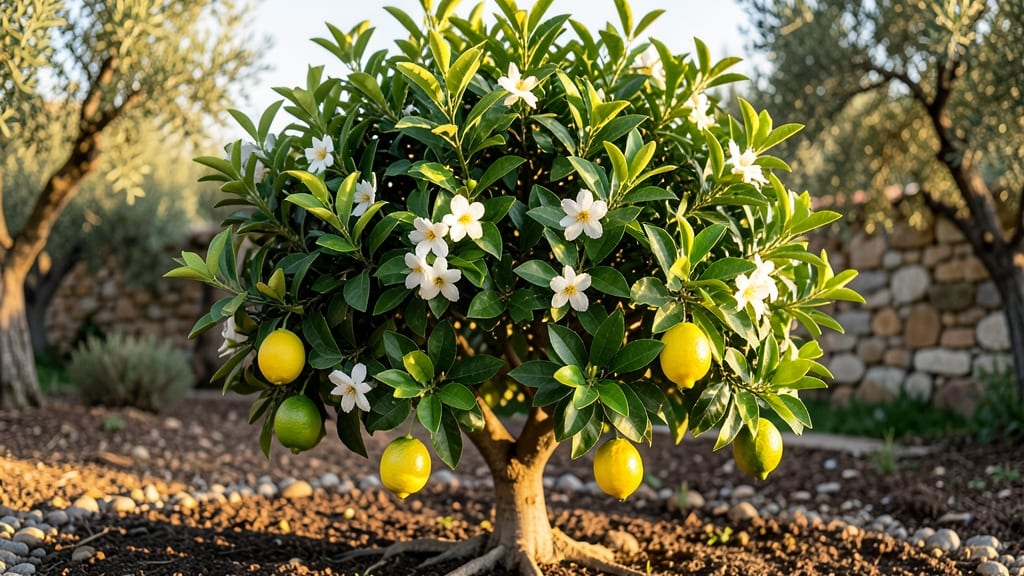
Nothing beats the zesty aroma of a lemon leaf plant brightening your home with its citrusy scent. 🌿 I’ve grown mine for years—it thrives indoors, purifies the air, and even doubles as a natural air freshener. The key?
Mimicking its tropical habitat with bright light, well-draining soil, and just the right amount of water. These plants love warmth and humidity, so a sunny windowsill or grow light works best. Overwatering is the #1 killer, so let the top inch of soil dry out between waterings.
A light potting mix with perlite keeps roots happy, and occasional pruning encourages bushier growth. The scent alone makes it worth the effort! By summer, your plant will be lush and fragrant, releasing essential oils that clean the air naturally.
Pinch off spent flowers to redirect energy into those glossy, lemon-scented leaves. With proper care, it can live for years—some even bloom delicate white flowers! Works indoors year-round or outdoors in frost-free zones. Here’s how to keep it thriving through every season.
📚 In This Guide
- What you need
- Instructions
- Tips and common mistakes
- Wrapping up and next steps
What you need
- ● Lemon leaf plant: 1 nursery-grown plant (3–6 inches tall, potted)
- ● OR 1–2 mature cuttings (4–6 inches long, with 2–3 leaf nodes)
- ● OR Seeds (from fresh lemons, though germination may take 3–6 weeks)
- ● Well-draining potting mix: 1 bag (5–10 quarts) of cactus/succulent mix (or standard potting soil amended with 30% perlite/pumice)
- ● Containers: 1–2 pots (6–8 inches in diameter) with drainage holes (terracotta or ceramic preferred)
- ○ Optional: Grow bags or fabric pots for better airflow
- ● Tools: Pruning shears (sterilized with rubbing alcohol)
- ● Small hand trowel
- ● Spray bottle (for misting)
- ● Slow-release citrus fertilizer (e.g., Osmocote Smart-Release Plant Food)
- ● Peat pellets or hydroponic starter cubes (for seed germination)
- ● Humidity tray or pebble tray (to maintain 40–60% humidity)
- ● Grow lights (LED full-spectrum, 12–14 hours/day if low natural light)
- ○ Rooting hormone (for cuttings, optional but boosts success by 20–30%)
Step-by-Step instructions for growing a lemon leaf plant
Here's how to nurture this fragrant, air-purifying plant with minimal fuss.
🌱 Step 1: Choose and Prepare the Right Container
Pick a 6-8 inch pot with drainage holes—lemon leaf plants hate soggy roots. I like terracotta because it breathes and helps prevent overwatering. Fill the bottom 1-2 inches with orchid bark or perlite to improve drainage and prevent compaction.
Use a well-draining potting mix designed for citrus or succulents. Regular garden soil will suffocate the roots and cause rot. If you're repotting an existing plant, gently loosen the root ball before placing it in the new container. This encourages outward growth instead of circling roots.
💧 Step 2: Plant and Water Properly
Place your lemon leaf plant in the prepared container and fill around the roots with the citrus mix, pressing lightly to secure it. Water immediately after planting to settle the soil and eliminate air pockets. You'll know it's right when water runs freely from the drainage holes.
After the initial watering, wait until the top inch of soil feels dry before watering again. Lemon leaf plants prefer their soil to dry out slightly between waterings—this prevents root rot and encourages stronger growth. I like to use room-temperature water to avoid shocking the plant.
☀️ Step 3: Position for Optimal Light
Find a spot with bright, indirect light—this plant thrives near an east or west-facing window. Direct afternoon sun can scorch the leaves, so if that's your only option, place it a few feet back from the glass. You'll notice the leaves start to lose their vibrant green color if they're not getting enough light.
Rotate the pot a quarter turn every week so the plant grows evenly. Uneven light exposure causes lopsided growth, and you'll see the stems leaning toward the light source. If your home has low light, supplement with a grow light for 12-14 hours daily.
🌿 Step 4: Maintain Humidity and Fertilize Regularly
Lemon leaf plants love humidity—aim for 50-70% relative humidity. If your home is dry, place the pot on a tray filled with pebbles and water, or use a humidifier nearby. You'll see the leaves start to crisp or brown at the edges if the air is too dry.
Feed with a balanced liquid fertilizer diluted to half-strength every 4-6 weeks during spring and summer. Reduce feeding in fall and winter when growth slows. Over-fertilizing causes salt buildup in the soil, which you'll notice as white crust on the soil surface or yellowing leaves.
✂️ Step 5: Prune and Propagate for Bushier Growth
Prune in early spring to encourage bushier growth. Use clean, sharp scissors to trim back leggy stems just above a leaf node. This redirects energy to new growth and keeps the plant compact. You'll see new leaves sprouting from the trimmed areas within a few weeks.
Propagate easily from stem cuttings. Take 4-6 inch cuttings just below a leaf node, remove the lower leaves, and dip in rooting hormone. Place in water or moist perlite until roots form—usually in 2-3 weeks. This is a great way to share plants with friends or refresh your own collection.
Tips & tricks for perfect lemon leaf plant care
Here's what I've learned after growing these fragrant plants for years—simple tricks that make all the difference.
Container Selection: The 6-8 inch pot size is perfect for lemon leaf plants, but don't overlook the material. Terracotta pots actually help regulate moisture—when the pot feels cool to the touch, it's time to water. For extra insurance against overwatering, drill additional drainage holes if your pot doesn't have enough. I've seen soggy roots ruin perfectly healthy plants when drainage was poor.
Light Positioning: That weekly quarter-turn rotation in Step 3 is crucial, but here's the secret: if your plant starts leaning toward the light, it's already too late—you need to rotate before you see the bend. Place a small sticky note on the window side of the pot to remind you to rotate weekly. And if you notice the leaves losing their vibrant green color, it's a clear sign you need to move it to a brighter spot.
Humidity Hacks: The 50-70% humidity range can be tricky in dry homes. My go-to trick is placing the pot on a bed of pebbles with water just below the pebbles—this creates natural humidity without risking root rot. For extra fragrance, add a few drops of citrus-scented essential oil to the water (just a drop or two!). You'll notice the leaves staying crisp and vibrant even in winter when indoor air gets dry.
Pruning Insight: When pruning in early spring, look for stems that are growing away from the center of the plant—these are your leggy culprits. Cut just above a leaf node where you want new growth to sprout. I like to use sterilized scissors and wipe them with rubbing alcohol between cuts to prevent spreading any potential plant diseases. The new growth from pruned stems often has an even stronger lemon scent!
Pro Tips for Lemon Leaf Plant
- Here's what I've learned after growing these fragrant plants for years—simple tricks that make all the difference.
- Container Selection: The 6-8 inch pot size is perfect for lemon leaf plants, but don't overlook the material.
- Light Positioning: That weekly quarter-turn rotation in Step 3 is crucial, but here's the secret: if your plant starts leaning toward the light, it's already too late—you need to rotate before you see the bend.
Frequently asked questions
Got questions about growing and caring for your lemon leaf plant? Here are some of the most common queries—plus quick answers to keep your citrus-scented companion thriving!
How often should I water my lemon leaf plant?
Water your lemon leaf plant when the top 1–2 inches of soil feel dry. Overwatering is the #1 killer—stick to every 7–10 days (adjust for humidity/drainage). Yellow leaves? You’re likely overdoing it. Pro tip: Use well-draining soil and a pot with drainage holes!
Can lemon leaf plants survive winter indoors?
These tropical plants thrive indoors year-round. Keep them away from drafts, cold windows, or heaters. Ideal temps: 60–75°F. If leaves drop, it’s a sign of stress—move to a warmer spot or increase humidity with a pebble tray.
Why aren’t my lemon leaf leaves fragrant?
Strong citrus scent comes with maturity (1–2 years). Boost aroma by:
- Placing the plant in bright, indirect light (south/west windows).
- Pruning regularly to encourage new growth.
- Avoiding synthetic fertilizers—use organic citrus blends instead.
What’s a good alternative if my lemon leaf plant isn’t thriving?
If you’re struggling with care, try these low-maintenance citrus-scented plants:
- Lemon verbena – Hardy, drought-tolerant, and intensely fragrant.
- Sweet orange (Citrus × aurantium) – Slower-growing but hardier.
- Lemon balm – Fast-growing herb with a milder lemon scent.
How do I fix spider mites on my lemon leaf plant?
Spider mites love dry conditions—combat them with:
- Spray leaves with neem oil or insecticidal soap (repeat weekly).
- Increase humidity (mist daily or use a humidifier).
- Wipe leaves with a damp cloth to remove webs.
Wrapping up and next steps
The lemon leaf plant isn’t just a fragrant addition to your home—it’s a natural air purifier and a low-maintenance superstar for plant lovers! 🌿 With its easy-care nature and zesty aroma, it’s perfect for brightening up spaces while keeping the air fresh.
Whether you’re a beginner or a seasoned gardener, this plant is a rewarding choice.
Ready to bring some citrusy charm into your life? Start with a single cutting or a small pot, and watch as it thrives with minimal effort. Your home—and your lungs—will thank you! 💚