
Leaf Blower
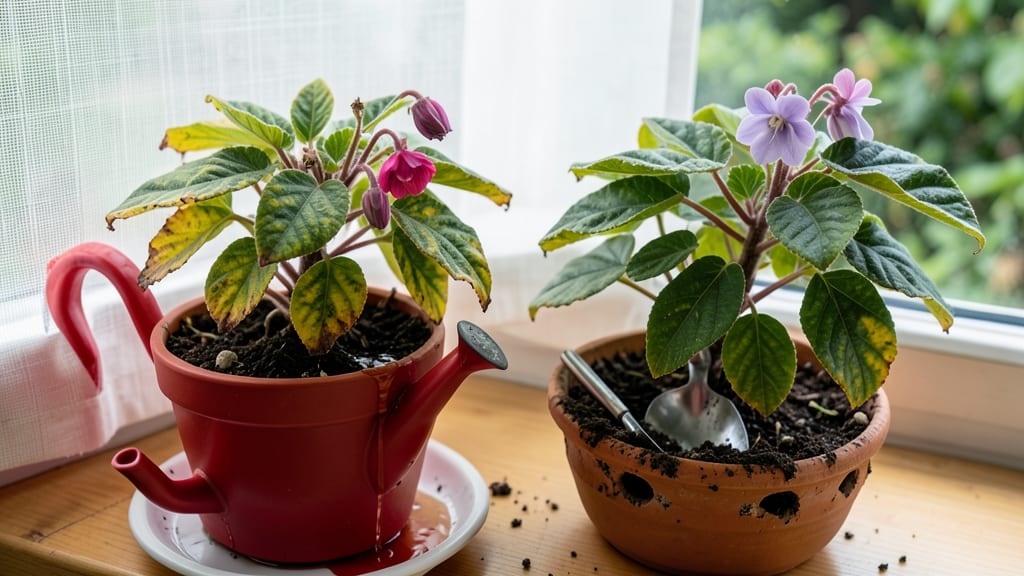
Overwatered fuchsias with leaf overwatered fuchsia symptoms turn your hanging baskets into sad, droopy messes—until you know these 3 simple fixes. 🌿 I’ve nursed back plants that looked ready for the compost bin with just a few adjustments, and you can too.
The key is stopping the rot before it spreads, and it starts with recognizing the signs: yellowing leaves, mushy stems, or leaves that fall at the slightest touch.
Fuchsias hate soggy roots, and their leaves scream for help when they get too much water. The real culprit is often poor drainage—those pretty pots can trap moisture like a sponge. Check your soil first: if the top inch feels damp after watering, you’re overdoing it.
Fuchsias need water when the top inch is dry, and they’ll bounce back faster than you think once you adjust.
Start by letting the soil dry out completely between waterings, and consider repotting into a mix with perlite or sand to improve drainage. Trim any mushy stems with clean scissors, and move the plant to a spot with bright, indirect light—no more dark corners.
Within a week, you’ll see new growth pushing through, and those droopy leaves will perk up like they never had a problem.
Once you’ve got the watering right, keep an eye out for these red flags: brown leaf edges mean underwatering, while yellow leaves mean overwatering. A happy fuchsia thrives with morning sun and afternoon shade, and a well-draining pot.
Stick to this routine, and your fuchsias will reward you with blooms all season long—no more sad, soggy surprises.
Root Causes of Overwatered Fuchsia Leaves
When your Fuchsia plants start showing signs of distress—drooping, yellowing, or mushy leaves—it’s often a cry for help from roots struggling with too much moisture. Understanding the why behind overwatering is the first step to saving your plants.
Let’s break down the science and scenarios that lead to soggy soil and unhappy fuchsias.
Fuchsias thrive in well-draining soil, but when planted in heavy clay, compacted garden beds, or containers without drainage holes, water pools around the roots instead of draining away. This creates a waterlogged environment, cutting off oxygen supply.
Why it matters:
- Roots need aeration to absorb nutrients and respire. Without oxygen, they suffocate, leading to root rot (a fungal infection caused by Phytophthora or Pythium).
- Overwatered soil also leaches essential nutrients like nitrogen and phosphorus, weakening the plant’s structure and causing leaves to yellow or drop.
Actionable fix: Amend soil with perlite, sand, or coconut coir (20-30%) to improve drainage. For containers, ensure holes at the bottom and use a mix designed for acid-loving plants (pH 5.5–6.5).
Fuchsias are semi-tropical plants—they love moisture but hate soggy feet. Watering on a strict schedule (e.g., every 2–3 days) without checking soil moisture is a common mistake. Even well-meaning gardeners can drown their fuchsias by:
- Ignoring weather conditions: Rainy days + overhead watering = double the moisture.
- Using the "finger test" incorrectly: Sticking your finger 1–2 inches deep should feel dry before watering again.
- Overwatering in cool/cold temps: Roots slow down in <60°F (15°C), reducing water uptake.
Science behind the droop:
- Excess water triggers osmotic stress, where roots struggle to absorb water due to high soil saturation.
- Ethylene gas (a plant stress hormone) builds up, accelerating leaf senescence (premature aging and drop).
Pro tip: Water deeply but infrequently—aim for 1–2 times per week (adjust for climate). Use a moisture meter or the "squeeze test" (gently compress soil; if it crumbles, it’s dry enough).
Potted fuchsias are especially vulnerable because containers retain moisture longer than garden beds. Without proper drainage or airflow, roots become waterlogged in as little as 24–48 hours after watering.
Key culprits:
- No drainage holes: Water sits at the bottom, creating a anaerobic zone where harmful bacteria thrive.
- Small pots: Soil dries faster on the edges but stays wet in the center.
- Plastic pots: Retain moisture longer than terracotta or fabric grow bags.
Data point: A study in HortScience found that fuchsias in undrained pots showed 50% more root rot than those with drainage within 30 days.
Fix it:
- Upgrade to pots with 3+ drainage holes and a saucer (empty excess water after 10 mins).
- Use terracotta or fabric pots to allow evaporation.
- Add a 2-inch layer of gravel at the bottom for extra aeration.
Fuchsias are sensitive to temperature extremes and high humidity. While they love moisture, stagnant air (like in a greenhouse or bathroom) slows evaporation, keeping soil damp longer.
How it backfires:
- Cold roots (<50°F/10°C): Metabolism slows, so roots can’t absorb excess water, leading to edema (blistered leaves from internal pressure).
- High humidity (>70%): Reduces transpiration (water loss through leaves), tricking the plant into thinking it’s thirsty—even when it’s not.
Solution:
- Move potted fuchsias to bright, indirect light with good airflow (e.g., near an open window with a fan).
- Avoid placing them in closed terrariums or greenhouses without ventilation.
- In humid climates, water early in the day to allow leaves to dry.
While fuchsias need nutrients, excess fertilizer—especially high in nitrogen or salts—disrupts root function. Over-fertilized plants take up more water to dilute salts, but the roots can’t keep up, leading to osmotic imbalance and leaf drop.
Signs of fertilizer-induced stress:
- Crispy brown leaf edges (salt burn).
- Slow growth despite wilting (roots are "burned" but still alive).
- White crust on soil surface (mineral buildup).
Fix:
- Flush soil with water for 10–15 minutes to leach excess salts.
- Switch to a balanced, organic fertilizer (e.g., fish emulsion or compost tea) diluted to half-strength.
- Water thoroughly before fertilizing to avoid root burn.
Revive Your Fuchsia in 3 Steps
Overwatering can turn your lush fuchsia into a sad, droopy mess—but don’t worry! With the right care, you can nurse it back to health and prevent future mishaps.
Below, we’ll tackle the most common signs of overwatering and show you how to fix them, plus some pro tips to keep your fuchsia thriving.
If your fuchsia’s leaves are turning yellow or crispy at the edges, it’s likely drowning in excess moisture. Here’s how to fix it:
- 🔥 Stop Watering Immediately Let the soil dry out completely before watering again. Stick your finger about an inch into the soil—if it’s damp, wait a few more days.
- 🍳 Repot in Well-Draining Soil Overwatering often means poor drainage. Repot your fuchsia in a mix of peat moss, perlite, and sand (or a high-quality potting mix designed for hanging plants). Ensure the pot has drainage holes!
- 👨🍳 Trim the Damaged Leaves Snip off any yellow or brown leaves with clean scissors. This helps the plant focus energy on new growth.
- ⏰ Water Only When Needed Fuchsias prefer consistently moist (not soggy) soil. Water when the top inch feels dry, and avoid letting water pool in the saucer.
💡 Pro Tip: If your fuchsia is in a decorative pot without drainage, consider repotting it into a functional container to prevent root rot.
If your fuchsia’s stems are floppy or mushy, root rot may be setting in. Act fast:
- 🔪 Gently Remove the Plant Carefully take it out of the pot and inspect the roots. Healthy roots are firm and white; rotten roots are dark, mushy, and smell foul.
- 🥘 Prune the Bad Roots Trim away any black or squishy roots with sterilized scissors. Keep only the firm, white roots intact.
- 🌡️ Soak in a Fungicide Solution (Optional) If root rot is severe, soak the roots in a 1:10 hydrogen peroxide-water mix (or a fungicide) for 10 minutes to kill fungus.
- 🌱 Repot in Fresh, Dry Soil Plant your fuchsia back in sterilized potting mix and hold off on watering for 3–5 days to let it recover.
✨ Prevention Tip: Use a moisture meter to track soil dampness and avoid overwatering in the future.
Purple-tinged leaves or slow growth often mean your fuchsia isn’t getting enough light or airflow. Here’s how to fix it:
- 🌞 Move to Brighter Light Fuchsias love bright, indirect light (like an east or west-facing window). Avoid deep shade, which weakens growth.
- 💨 Improve Air Circulation If your fuchsia is in a humid spot (like a bathroom), move it to a well-ventilated area. Poor airflow encourages fungal issues.
- 🍎 Fertilize Lightly Overwatered plants often lack nutrients. Use a balanced liquid fertilizer (10-10-10) every 4–6 weeks during spring and summer.
- 🎯 Prune for Better Shape Trim back leggy stems to encourage bushier growth. Pinch back tips to promote branching.
💡 Pro Tip: If your fuchsia is outdoors, avoid soggy winter conditions—bring it inside if rain is frequent.
Once your fuchsia is back on track, follow these habits to prevent overwatering:
- ✅ Use the "Finger Test" – Check soil moisture before watering.
- ✅ Choose the Right Pot – Terracotta pots dry out faster than plastic.
- ✅ Mulch the Soil – A thin layer of mulch helps retain moisture without drowning roots.
- ✅ Water at the Base – Avoid wetting leaves to prevent fungal diseases.
With these fixes, your fuchsia should bounce back in 2–4 weeks—just give it time and patience! 🌸
Frequently asked questions
How do I tell if my fuchsia leaves are overwatered vs. underwatered?
Overwatered fuchsias show yellow leaves that may feel mushy or drop easily, while underwatered ones have brown, crispy edges. Check the soil: if it’s damp after 24 hours of watering, you’re overdoing it. For underwatering, the leaves will feel dry and papery to the touch.
Can I save a fuchsia with root rot?
Yes, but act fast! Remove the plant, trim away black/mushy roots, and repot in fresh, dry soil with perlite. Hold off on watering for 3-5 days to let roots recover. For severe cases, soak roots in a 1:10 hydrogen peroxide-water mix for 10 minutes before repotting.
Why do my fuchsia leaves turn purple when overwatered?
Purple-tinged leaves signal phosphorus deficiency from poor nutrient uptake due to waterlogged roots. This happens when excess water displaces nutrients. Fix it by repotting in well-draining soil, using a balanced fertilizer (10-10-10), and adjusting your watering schedule to let soil dry between waterings.
How often should I water my fuchsia in summer vs. winter?
In summer, water when the top 1 inch of soil feels dry (2-3 times per week). In winter, reduce to once every 1-2 weeks—roots slow down in cooler temps. Always check soil moisture first; fuchsias hate soggy roots year-round.
Are terracotta pots better than plastic for fuchsias?
Terracotta pots dry out 30% faster than plastic, reducing overwatering risks. They also allow better airflow to roots. If using plastic, add extra perlite to the soil mix and check moisture more frequently.