
Planting
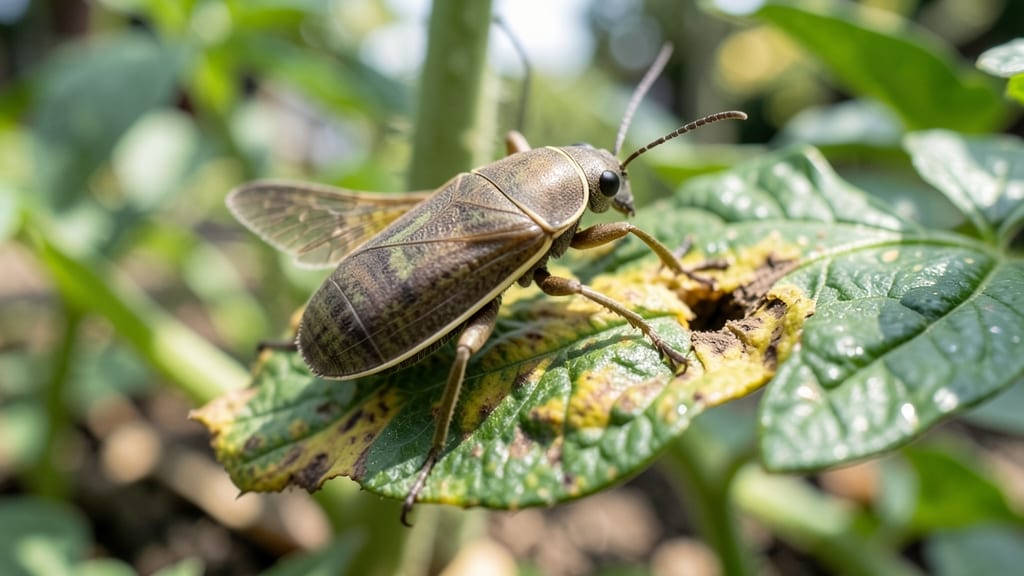
Those coppery spots on your tomatoes and peppers aren’t just ugly—they’re a dead giveaway for leaf-footed plant bugs. 🌱 I’ve battled these sneaky pests in my garden, and the key to stopping them lies in pruning, monitoring, and a few smart organic tricks that actually work.
These bugs thrive on soft, new growth, so they target your most vulnerable plants first. You’ll spot their damage as small, silvered leaves or tiny holes—plus, the adults have those distinctive red-and-black legs that give them away. The good news?
Pruning out infested leaves early can cut their numbers by half before they become a full-blown problem. Once you’ve identified them, the fix starts with removing damaged foliage and introducing beneficial insects like lacewings or ladybugs.
For severe cases, neem oil sprays (applied at dusk) disrupt their life cycle without harming your plants. The results? Fewer holes in your harvest and a garden that stays productive all season. This works for tomatoes, peppers, citrus, and even beans—anything these bugs love.
The secret is catching them early, so keep an eye on your plants and prune aggressively when you see the first signs. Here’s how to make it happen.
Root Causes Of Tiny Garden Invaders
If your plants are suddenly sporting speckled leaves, stunted growth, or webbing, there’s a good chance tiny, coppery-winged pests are to blame. These sneaky critters—often called leaf-footed plant bugs—don’t just show up for the fun of it.
Their arrival is usually tied to a mix of environmental factors, plant stress, and even human habits. Let’s break down why they target your garden in the first place.
Healthy plants are like fortress walls—strong enough to fend off most pests. But when plants are stressed, their defenses weaken, making them prime targets for leaf-footed plant bugs. Here’s what puts your greens at risk:
- Nutrient Deficiencies: Plants lacking nitrogen, potassium, or other essential nutrients produce softer, more palatable leaves. Bugs can detect these deficiencies and zero in on vulnerable spots.
- Overwatering or Underwatering: Too much moisture creates a damp, bug-friendly environment, while drought stress makes plants release distress signals that attract pests.
- Poor Soil Health: Compacted or nutrient-poor soil limits root growth, weakening the plant’s ability to resist infestations.
- Recent Pruning or Trauma: When you trim or damage plants, they release volatile organic compounds (VOCs) that act like a dinner bell for pests.
Pro Tip: 💡 Before treating an infestation, check your plant’s health. Amend soil with compost, adjust watering, and fertilize to restore vigor—this alone can deter bugs.
Leaf-footed plant bugs thrive in warm, humid conditions—think summer greenhouses, dense foliage, or mulched beds. They also love hiding in:
- Thick Foliage: Bushy plants (like tomatoes, peppers, or beans) provide perfect hiding spots for bugs to lay eggs and feed undetected.
- Greenhouses or Polytunnels: The controlled warmth and humidity create ideal breeding grounds, often leading to explosive infestations.
- Mulch Piles or Debris: Organic matter near plants offers shelter and moisture, making it easier for bugs to establish colonies.
- Urban or Suburban Gardens: These areas often have mixed plantings, giving bugs access to multiple food sources without natural predators.
Actionable Fix: ✨ Reduce hiding spots by pruning dense foliage, removing mulch from plant bases, and ensuring good airflow around plants. In greenhouses, use row covers or fans to disrupt their comfort zone.
In a balanced ecosystem, birds, lacewings, and parasitic wasps keep leaf-footed plant bug populations in check. But modern gardening often disrupts this harmony:
- Overuse of Broad-Spectrum Pesticides: Chemicals that kill bugs also wipe out their natural predators, leaving your plants defenseless.
- Monoculture Planting: Large patches of a single plant (like a tomato garden) offer bugs a feast with no breaks, while diverse gardens attract more predator species.
- Urbanization and Habitat Loss: Fewer wild spaces mean fewer birds and insects that hunt these bugs naturally.
Ecological Boost: 🌿 Encourage predators by planting companion flowers (like dill or marigolds), installing birdhouses, or introducing beneficial nematodes to the soil.
These bugs don’t just appear randomly—they follow seasonal cues and migratory behaviors:
- Spring and Summer Peaks: Warm weather triggers their breeding cycles. A single female can lay hundreds of eggs in leaf axils, leading to rapid population growth.
- Movement from Wild Hosts: Many bugs overwinter on weeds or wild plants before migrating to cultivated gardens in spring.
- Wind and Rain Spread Them: Adult bugs can hitch rides on wind currents, while rain washes eggs and nymphs into new areas.
Preventative Strategy: ⏰ Monitor plants early in the season (especially after rain) and remove wild hosts like nightshade or smartweed from your property.
Sometimes, we’re the ones bringing the problem! Unknowingly, gardeners can introduce or worsen infestations through:
- Buying Infested Plants: Nursery stock with hidden eggs or nymphs can introduce bugs to your garden overnight.
- Reusing Contaminated Tools or Pots: Pruners, trellises, or containers may harbor eggs or adults from previous seasons.
- Composting Infested Plant Debris: Bugs can survive in compost heaps, only to re-emerge when you use the finished compost.
- Neglecting Quarantine Practices: New plants should be inspected and isolated for 1–2 weeks before adding them to your garden.
Smart Shopping Tip: 🛒 Always inspect new plants for tiny holes, webbing, or coppery adults. If in doubt, quarantine them away from your main garden.
Quick Fixes for Plant Pests
Discovering tiny brown bugs with coppery spots on your plants can feel like a nightmare—especially when they’re sucking the life out of your prized blooms. But don’t panic! With the right approach, you can reverse the damage and protect your garden.
Below, we’ve mapped out practical solutions based on the most common causes, from early detection to long-term prevention. Let’s tackle this step by step.
🍳 Handpick and Squish (Best for Small Infestations)
When you spot these pests early, manual removal is your fastest ally. Here’s how:
- Timing is key: Go out on a cool morning when bugs are sluggish (they’re easier to grab!).
- Use a damp cloth or paper towel: Gently wipe leaves to collect bugs—drop them into soapy water to kill them instantly.
- Focus on hotspots: Check under leaves, flower buds, and along stems where they hide.
Pro tip: 💡 If your garden is small, do this daily for a week to see a noticeable drop in numbers.
👨🍳 Spray Homemade Repellents (Safe for Edibles)
Skip harsh chemicals and try these DIY sprays that disrupt their feeding:
- Soap spray: Mix 1 tbsp mild liquid soap (like Castile) with 1 quart water. Spray directly on bugs and undersides of leaves. (Reapply every 3–4 days.)
- Neem oil solution: Combine 1 tbsp neem oil + 1 tsp dish soap + 1 quart water. Shake well and spray at dusk (avoids harming bees).
- Garlic spray: Blend 3 garlic cloves + 1 quart water, strain, and add 1 tsp cayenne pepper. Spray on plants—bugs hate the smell!
Warning: 🌡️ Test sprays on a small leaf first—some plants (like tomatoes) can be sensitive to soap.
🔪 Introduce Natural Predators (Long-Term Defense)
Let nature do the work! These beneficial insects eat leaf-footed plant bugs without harming your garden:
- Lacewings: Release larvae or adult lacewings (available online)—they’re voracious bug hunters.
- Ladybugs: Buy adult ladybugs (not eggs) and sprinkle them on infested plants at dawn.
- Spiders: Encourage orb-weaver spiders by adding a small water dish nearby—they’ll patrol your plants.
Pro tip: ✨ Avoid pesticides! They kill both pests and your helpful predators.
⏰ Prune Strategically (Reduce Hiding Spots)
Overgrown plants = bug buffet. Prune regularly to:
- Remove damaged or yellowing leaves (bugs love weak spots).
- Thin out crowded foliage to improve airflow (bugs thrive in humidity).
- Trim flower buds if heavily infested—sacrifice a few to save the plant!
Best time to prune: Early morning on a dry day (helps plants recover faster).
🌿 Choose Resistant Plant Varieties
Some plants are naturally less appealing to these bugs. Swap susceptible varieties for:
| 🚫 Avoid (Common Targets) | ✅ Try Instead (Bug-Resistant) |
|---|---|
| Tomatoes (especially green varieties) | Cherry tomatoes (smaller fruit = less appeal) |
| Peppers (bell & jalapeño) | Hot peppers (like habanero—bugs dislike the heat!) |
| Lettuce & spinach | Kale or Swiss chard (tougher leaves) |
Bonus: 🎯 Plant basil, marigolds, or dill nearby—their scents repel bugs naturally.
🛡️ Barrier Methods (Physical Protection)
For high-value plants, block bugs before they bite with:
- Floating row covers: Use fine mesh netting over young plants (remove when flowering for pollination).
- Sticky traps: Place yellow sticky cards near plants to catch adults.
- Diatomaceous earth: Sprinkle food-grade DE around the base of plants (reapply after rain). (Avoid touching it—it’s abrasive!)
Pro tip: 🔥 For container plants, swap soil with cactus/succulent mix—bugs dislike the gritty texture.
With these targeted fixes, you’ll see a difference in 7–14 days. The key? Act fast and stay consistent. Your garden will thank you—and so will your sanity! 🌱
Frequently asked questions
What do leaf-footed plant bug eggs look like?
Leaf-footed plant bug eggs are tiny, oval, and pale yellow to white, about 1mm long. They’re usually laid in clusters along leaf stems or undersides, often near leaf axils. Look for these small, shiny specks—if you see them, act fast to prevent hatching!
Can leaf-footed plant bugs harm fruit?
Yes, these pests can damage fruit by piercing it to feed, leaving small, dark spots or scars. They especially target tomatoes, peppers, and citrus, which can become misshapen or unmarketable. Early removal of infested fruit helps prevent further spread.
Are leaf-footed plant bugs the same as stink bugs?
No, they’re related but distinct! Leaf-footed plant bugs have red or black legs and a more slender body, while stink bugs are broader with a shield-like shape. Both can damage plants, but leaf-footed bugs are more likely to target young leaves and flowers.
How long does it take for neem oil to work on these bugs?
Neem oil disrupts their life cycle but doesn’t kill adults instantly. You’ll typically see a 50% reduction in 5–7 days with consistent applications (every 3–4 days). For best results, spray at dusk when bugs are active but bees aren’t.
Will leaf-footed plant bugs overwinter in my garden?
Yes, they often overwinter as adults in mulch, leaf litter, or plant debris. To prevent next year’s infestation, clear out garden waste in fall and remove wild host plants like nightshade. A thorough cleanup can cut overwintering bugs by 80%!