
Pests
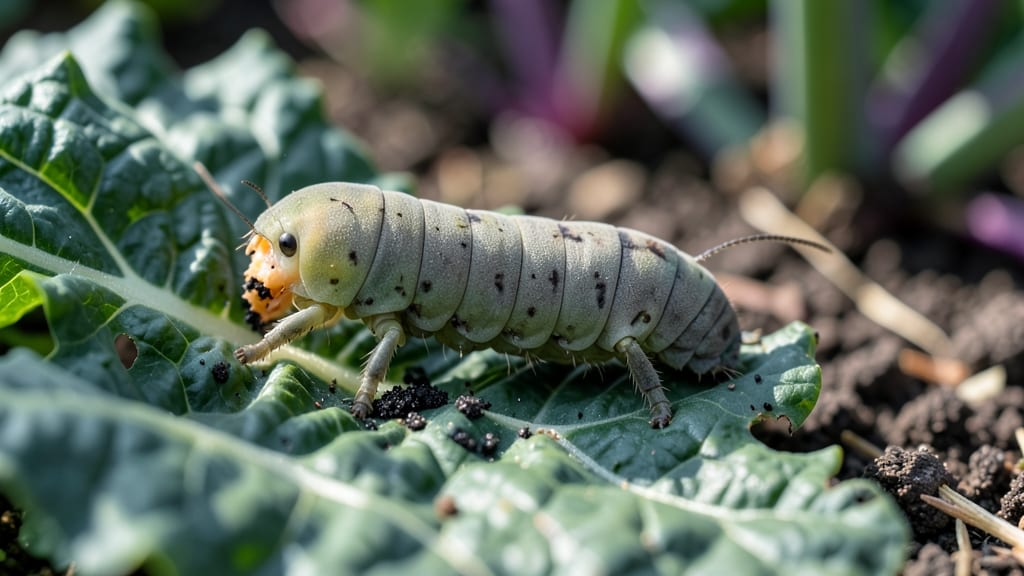
Leaf-eating bugs can turn your garden into Swiss cheese overnight. 🌿 I’ve lost count of the times I’ve found my prized basil or tomato leaves skeletonized—only to discover the culprits were tiny, ravenous critters hiding in plain sight.
The good news? You don’t need harsh chemicals to stop them. A few simple, natural barriers can make your plants instantly less appealing (and more protected) than the neighbor’s unguarded roses.
Most leaf-munchers—like cabbage worms, Japanese beetles, or slugs—are drawn to soft, tender foliage. The secret to stopping them isn’t just sprays or traps; it’s disrupting their access before they even start.
Think physical shields (like row covers or copper tape), plant-based repellents (garlic spray, neem oil), or even strategic companion planting that confuses their sense of smell.
I’ve tested all of these, and some work faster than others—like the time I wrapped my pepper plants in lightweight mesh and saw zero damage all season.
What you’ll get is a garden where bugs take one bite and walk away. Your plants stay lush, your harvest stays intact, and you avoid the guilt of spraying toxic chemicals near your kids or pets.
The best part? These methods work preventively, so you’re not playing catch-up every morning. No more waking up to find your zucchini leaves looking like lace—just healthy, thriving greenery that’s off-limits to pests.
Whether you’re dealing with chewed-up kale or beetle-scarred roses, these solutions adapt to any garden size or pest problem. The key is acting early—before the bugs declare your yard an all-you-can-eat buffet. Let’s make your plants the last stop on their menu.
The Real Culprits Behind Leaf Damage
When you spot ragged, skeletonized leaves or tiny holes dotting your prized plants, leaf-eating bugs are likely the culprits. But why do these pests target your garden in the first place?
Understanding their motivations—and the conditions that invite them—helps you outsmart them before they strike. Here’s a breakdown of the key reasons these critters munch away.
Healthy plants are naturally more resistant to pests, but when they’re stressed—whether from overcrowding, poor soil, or nutrient deficiencies—they become easy targets. Leaf-eating bugs like caterpillars, beetles, and aphids detect weakened plants through:
- Chemical signals: Stressed plants release volatile organic compounds (VOCs) that act like a dinner bell to herbivorous insects. Think of it as a distress scent that says, “I’m weak—eat me!”
- Reduced defenses: Plants under stress produce fewer secondary metabolites (like tannins or alkaloids), which deter pests. Without these natural repellents, bugs feast freely.
- Soft, tender leaves: Overcrowding forces plants to grow rapidly in tight spaces, resulting in thin, nutrient-rich foliage that’s irresistible to chewers.
Actionable fix: Prune to improve airflow, test soil for deficiencies, and water consistently to keep plants robust. Pro tip: 💡 Mulch around plants to retain moisture and reduce stress signals.
Young, tender leaves are like gourmet meals to leaf-eating bugs. Why? Because they’re:
- High in nitrogen: New growth is packed with proteins and sugars, making it a nutritional powerhouse for pests like Japanese beetles and loopers.
- Less protected: Older leaves often have thicker cuticles or trichomes (tiny hairs), while new leaves are soft and vulnerable.
- Easier to digest: Immature leaves have lower fiber content, so bugs can devour them without much effort.
Actionable fix: Monitor and remove new growth if pests are active, or use neem oil (a natural repellent) on emerging leaves. Pro tip: 🌡️ Prune in early morning when pests are less active to minimize damage.
In a balanced ecosystem, birds, ladybugs, lacewings, and parasitic wasps keep leaf-eating bugs in check. But when these predators are absent—due to pesticide use, habitat loss, or urbanization—pest populations explode. Common scenarios include:
- Chemical overkill: Broad-spectrum pesticides wipe out both pests and their natural enemies, leaving bugs unchecked.
- Monoculture gardens: Planting the same species (e.g., a single rose bush) creates a buffet with no diversity to support predator habitats.
- Urban sprawl: Fewer wild areas mean fewer hiding spots for beneficial insects like ground beetles or spiders.
Actionable fix: Introduce beneficial insects (e.g., Trichogramma wasps for caterpillars) or plant companion flowers like dill or marigolds to attract predators. Pro tip: ✨ Avoid synthetic pesticides—opt for soap sprays or kaolin clay to target pests without harming helpers.
Leaf-eating bugs often surge during specific weather patterns or life stages. For example:
| Pest | Trigger | Why It Happens |
|---|---|---|
| Caterpillars (e.g., tomato hornworms) | Warm, humid springs | Moisture speeds up egg hatching and larval growth. |
| Japanese beetles | Drought followed by rain | Beetles emerge from soil after dry spells, then feast on rehydrated plants. |
| Aphids | Cool nights + warm days | Ideal conditions for rapid reproduction. |
Actionable fix: Use row covers in early spring to block egg-laying adults, or set up yellow sticky traps to catch flying pests. Pro tip: 🎯 Time your plantings—delay sowing vulnerable crops until after peak pest seasons.
By addressing these root causes, you’re not just treating symptoms—you’re disrupting the conditions that invite leaf-eating bugs in the first place. Stay tuned for natural barrier methods that stop chewing dead in its tracks!
Stop Chewing Damage Fast
Now that you know why those pesky critters are munching on your plants, let’s tackle the problem head-on with easy, effective solutions tailored to the cause. Whether it’s slugs, beetles, caterpillars, or deer, these fixes will help you reclaim your garden—without harsh chemicals.
If your leaves are leaving glossy trails or look like they’ve been shredded overnight, slugs and snails are the culprits. Here’s how to outsmart them:
🔥 Trap Them with Beer
- How: Bury a shallow container (like a yogurt cup) filled with beer up to its rim.
The scent lures them in, and they drown. - Why it works: Slugs are attracted to fermented smells but can’t climb out. - Pro tip: 💡 Refresh the beer every few days for maximum effectiveness.
🍳 Copper Barrier Hack
- How: Place strips of copper tape (or even a copper penny) around pots or garden beds.
Slugs get a mild electric shock when they touch it. - Why it works: Their slimy bodies conduct electricity, making them avoid the metal. - Pro tip: 🔥 For large areas, bend copper wire into a low fence—it’s reusable and lasts years!
👨🍳 Diatomaceous Earth (DE) Defense
- How: Sprinkle food-grade DE around plants (but avoid direct contact with leaves—it can harm beneficial insects).
- Why it works: The microscopic particles dehydrate slugs and snails in hours.
- Pro tip: 🌡️ Reapply after rain—DE loses potency when wet.
🥘 Natural Predators
- How: Encourage ground beetles, frogs, and birds by adding a small water source or leaving leaf litter in shady spots.
- Why it works: These critters love eating slugs and snails.
If you’re seeing holes, skeletonized leaves, or frass (bug poop), beetles or caterpillars are likely the offenders. Try these targeted fixes:
🍳 Handpick & Drown
- How: Check leaves daily (especially in the morning). Drop pests into soapy water—they’ll dissolve instantly.
- Why it works: Early intervention stops infestations before they spread.
- Pro tip: ✨ Use a flashlight at night—many beetles are active then!
🔪 Neem Oil Spray (Safe & Effective)
- How: Mix 1 tsp neem oil + 1 tsp mild soap + 1 quart water.
Spray on both sides of leaves at dusk. - Why it works: Disrupts their feeding and reproduction cycles. - Pro tip: 🌿 Reapply every 5–7 days or after rain.
🥘 Row Covers for Heavy Infestations
- How: Drape fine mesh netting over young plants or seedlings.
Secure with stakes or clips. - Why it works: Blocks adult beetles from laying eggs while allowing pollinators through. - Pro tip: 🎯 Use white or light-colored covers—they reflect heat, keeping pests away.
If your plants look like they’ve been sheared by lawnmowers, larger herbivores are to blame. Fencing and repellents are your best bets:
🔥 Temporary Wire Mesh
- How: Wrap chicken wire or hardware cloth around young trees/shrubs.
Bury it 6–12 inches deep to deter digging. - Why it works: Deer can’t chew through it, and rabbits can’t squeeze under. - Pro tip: 💡 For permanent protection, use deer-resistant plants like boxwood, lavender, or Russian sage.
🍳 Spray-On Repellents
- How: Mix 1 gallon water + 1 tbsp hot pepper sauce + 1 tbsp dish soap. Spray on leaves (avoid edible plants).
- Why it works: The spicy scent deters deer and rabbits.
- Pro tip: 🌡️ Reapply every 2–3 days or after rain.
👨🍳 Motion-Activated Sprinklers
- How: Install solar-powered sprinklers (like ScareCrow) that activate when movement is detected.
- Why it works: The sudden spray startles animals away.
- Pro tip: ✨ Works best in open areas—not ideal for dense foliage.
The best defense? Stop them before they start with these low-effort habits:
- 💡 Keep your garden tidy – Remove debris where pests hide (e.g., old leaves, wood piles).
- 🌿 Plant smart – Use repellent plants like marigolds, basil, or garlic near vulnerable crops.
- 🥗 Water in the morning – Wet leaves at night attract slugs; morning watering lets foliage dry faster.
- 🔥 Rotate crops – Prevents soil-borne pests from building up in one spot.
- 🎯 Introduce predator plants – Dill, fennel, and cosmos attract ladybugs and lacewings, which eat leaf chewers.
If you’re dealing with a severe infestation (e.g., entire plants destroyed, pests spreading to neighbors), consider:
- Pest control services for large-scale issues (like Japanese beetles or deer overruns).
- Beneficial insect releases (e.g., parasitic wasps for caterpillars—contact a local nursery).
Final Thought: Most leaf-eating pests can be managed without chemicals if you act fast. Start with traps and barriers, then move to sprays or predators if needed. Your garden will be chew-free in no time! 🌿🚫🐞
Frequently asked questions
What are the most common leaf-eating bugs I should watch for?
The top culprits include caterpillars (like tomato hornworms), Japanese beetles, slugs/snails, aphids, and loopers. Each leaves distinct damage: caterpillars create holes and frass (poop), beetles chew irregular edges, and slugs leave shiny trails. Identifying the chew pattern helps target solutions.
Are there any plants that naturally repel leaf-eating bugs?
Marigolds, basil, garlic, and lavender are powerhouse repellents. Plant them near vulnerable crops like tomatoes or cabbage. Dill and fennel attract beneficial predators (like ladybugs), while rosemary deters beetles. The key is strategic placement—pests avoid these scents!
How do I know if my plants are stressed enough to attract pests?
Look for yellowing leaves, stunted growth, or wilting—these are red flags. Stressed plants release chemical signals that scream "easy meal!" to bugs. Test soil pH and nutrients, prune for airflow, and water consistently. Mulching helps retain moisture and reduces stress signals. Healthy plants = fewer pest parties!
Can I use coffee grounds to deter leaf-eating bugs?
Yes! Sprinkle used coffee grounds around plants—it repels slugs, ants, and some beetles. The caffeine disrupts their scent trails. For caterpillars, mix grounds with water to create a spray (1:1 ratio). Just avoid overapplying—too much can alter soil pH. Pro tip: Reapply after rain!
What’s the fastest way to stop a severe infestation?
Combine physical barriers (row covers, copper tape) with neem oil spray (applied at dusk). For slugs, use beer traps overnight. If pests persist, introduce beneficial nematodes (for soil pests) or parasitic wasps (for caterpillars). Act fast—most infestations worsen within 48 hours!