
Propagation
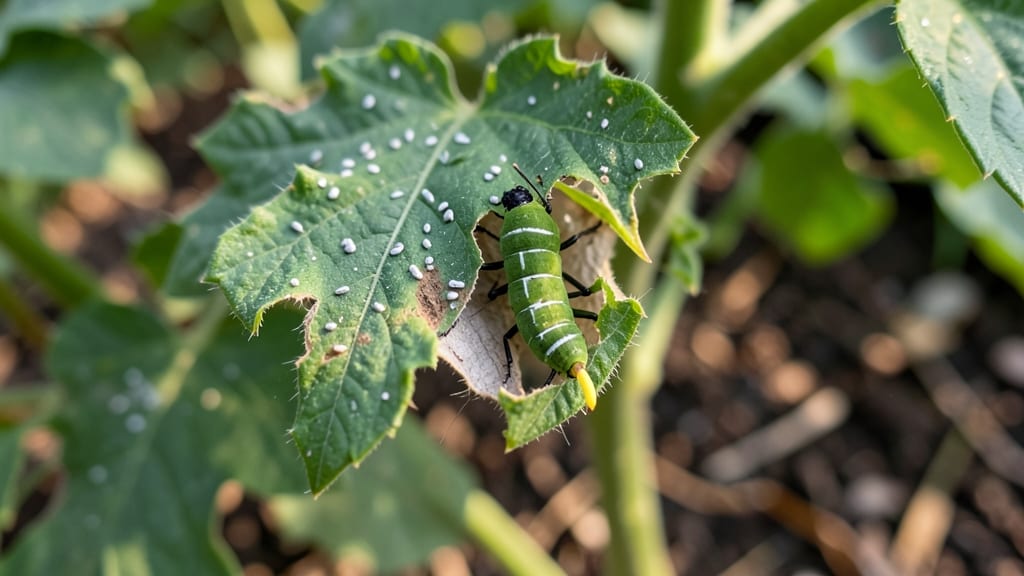
Seeing the leaf damage from insects turn your plants into a buffet for pests is the worst—especially when those tiny invaders leave behind skeletonized leaves and sticky residue. 🌿 I’ve spent years watching my garden get ravaged by aphids, caterpillars, and beetles, only to learn that most damage is preventable with the right early action.
The key isn’t just reacting when you notice holes in the foliage; it’s catching the problem before it spirals into a full-blown infestation.
Most leaf damage starts small—tiny bites, curled edges, or webbing—but if you wait too long, those insects multiply fast and weaken your plants. I’ve found that neem oil and insecticidal soap work like magic on soft-bodied pests, while handpicking caterpillars (yes, really) can save your tomatoes from becoming Swiss cheese.
The best part? These fixes are gentle on your plants and the environment, so you’re not trading one problem for another.
By the time you’re done reading, you’ll know exactly what to look for—aphid trails, chewed leaf margins, or the telltale frass (that’s bug poop, by the way)—and how to act fast.
A little companion planting with herbs like basil or marigolds can deter pests before they even show up, and a weekly inspection routine keeps your garden thriving instead of struggling.
This isn’t just about saving a few leaves—it’s about giving your plants the strong, healthy start they need to bounce back. Whether you’re dealing with a sudden outbreak or just want to stay ahead, these strategies will turn your garden from a pest playground into a lush, resilient paradise.
Let’s get those leaves looking fresh again!
The Hidden Triggers Behind Chewed Leaves
When your garden’s lush foliage starts looking like a picnic for tiny critters, it’s often the result of insects feasting on your plants. But why do they suddenly turn your green friends into a buffet?
The answer lies in a mix of environmental cues, plant vulnerabilities, and insect survival instincts. Understanding these triggers helps you predict—and prevent—leaf damage before it spirals out of control.
Healthy plants are less appealing to insects, but when they’re stressed, they become prime targets. Stressors like drought, nutrient deficiencies, or poor soil health weaken a plant’s natural defenses, making it easier for pests to attack. For example:
- Water-deprived plants produce less sap, a natural insect deterrent, while their tougher leaves become easier to chew.
- Nitrogen-deficient foliage often tastes sweeter to sap-sucking insects like aphids, drawing them in like a neon sign.
- Root-bound or overcrowded plants struggle to compete for resources, leaving them vulnerable to leaf-eating caterpillars or beetles.
Actionable fix: Regularly check soil moisture, fertilize appropriately, and prune to improve airflow—stress reduction is your first line of defense.
Many garden pests have synchronized life cycles tied to seasonal changes. For instance:
- Japanese beetles emerge in late spring to early summer, coinciding with peak leaf growth—your plants are tender, and the beetles are hungry.
- Caterpillars (like tomato hornworms) hatch in warm weather, devouring leaves at an alarming rate before pupating into moths.
- Aphids and mites thrive in warm, dry conditions, exploding in populations when humidity drops.
If your plants are being hit hard during specific months, it’s likely a pest with a predictable life cycle. Monitor local pest calendars to stay ahead of outbreaks.
Not all plants are equal in the insect buffet. Some species produce chemicals or textures that attract pests like magnets:
| Plant Type | Common Pests Drawn In | Why? |
|---|---|---|
| Herbs (e.g., basil, parsley) | Spider mites, aphids, cabbage loopers | High essential oil content can attract pests seeking food or shelter. |
| Vegetables (e.g., cabbage, kale) | Cabbage worms, flea beetles | Soft, nitrogen-rich leaves are a protein feast for chewers. |
| Fruit trees (e.g., apple, peach) | Codling moths, borers | Sugary sap and tender new growth lure egg-laying adults. |
Actionable fix: Rotate crops, use repellent companion plants (like marigolds or nasturtiums), or opt for pest-resistant varieties when possible.
Extreme weather creates the perfect storm for insect infestations:
- Drought weakens plants (as mentioned) and concentrates pests in remaining water sources.
- Heavy rain washes away natural predators (like ladybugs) while creating damp conditions ideal for fungal-loving insects like slugs.
- Unseasonable warmth can trick pests into emerging early, catching gardeners off guard.
Pro tip: Mulch to retain moisture, install rainwater runoff systems, and use row covers during unpredictable weather to disrupt pest cycles.
By recognizing these triggers, you’re not just reacting to leaf damage—you’re interrupting the chain reaction before it starts. Next, we’ll dive into how to spot the culprits and keep your garden off their menu.
Quick Fixes for Chewed Leaves
When insects turn your garden into their all-you-can-eat buffet, acting fast is key. Below, we break down practical solutions tailored to the most common culprits—whether it’s ravenous caterpillars, sap-sucking aphids, or leaf-munching beetles.
Each fix balances effectiveness with ease, so you can restore your plants without spending hours in the garden or breaking the bank.
---
Signs: Irregular holes, skeletonized leaves, or entire leaves eaten overnight. How to Stop It:
#### 🔥 Manual Removal (Best for Small Infestations) - When to do it: Early morning (caterpillars are sluggish and easier to spot). - How: - Wear gloves and inspect leaves under bright light. - Pluck off caterpillars by hand (drop them into soapy water to kill them). - Check undersides of leaves—this is where they hide! - Pro tip: 💡 Use a flashlight at dusk to spot nocturnal caterpillars before they strike.
#### 🍳 Organic Sprays (Safe for Edible Plants) - Bt (Bacillus thuringiensis): A microbe-based spray that targets caterpillars’ digestive systems. Safe for humans and pets but must be reapplied after rain. - How to use: Mix with water (follow label instructions) and spray directly on leaves where caterpillars feed. - Neem oil: Disrupts their feeding and growth. Best for prevention but works on existing pests. - Recipe: 1 tbsp neem oil + 1 tsp mild soap + 1 quart water.
Shake well and spray evenly on foliage.
#### 🌡️ Traps & Lures (For Severe Outbreaks) - Pheromone traps: Attract male moths away from females, reducing egg-laying. - Diatomaceous earth (DE): Sprinkle food-grade DE around the base of plants. It’s non-toxic but dehydrates caterpillars. Reapply after watering.
---
Signs: Sticky residue ("honeydew"), curled or yellowing leaves, tiny clusters of insects. How to Stop It:
#### 👨🍳 Water Blast (Instant Relief) - When to do it: Early morning or late evening (aphids are less active). - How: - Use a strong stream of water from a hose to knock them off leaves. - Repeat every 2–3 days until gone. - Pro tip: 🌡️ Add a drop of dish soap to the water to help dislodge stubborn pests.
#### 🥘 Homemade Sprays (Chemical-Free) - Soapy water spray: - Mix 1 tsp mild castile soap or dish soap + 1 quart water. - Spray directly on aphids (avoid flowers to protect pollinators). - Garlic or chili pepper spray (repellent): - Blend 3 garlic cloves + 1 tbsp cayenne pepper + 1 quart water.
Strain and spray.
#### 🔪 Beneficial Insects (Long-Term Defense) - Ladybugs & lacewings: Release purchased beneficial insects or attract them with dill, fennel, or marigolds. - Parasitic wasps: Tiny but mighty—they lay eggs inside aphids, killing them naturally.
---
Signs: Chewed leaf edges, "lace-like" holes, or skeletonized leaves. How to Stop It:
#### 🔪 Handpicking (Best for Small Gardens) - When to do it: Early morning (beetles are slow and easy to catch). - How: - Shake plants over a bucket of soapy water to drown them. - Wear gloves—some beetles (like Japanese beetles) can bite! - Pro tip: ✨ Drop cloth method: Lay a tarp under plants, shake them off, then dispose of beetles.
#### 🍳 Beer Traps (For Japanese Beetles) - How to make it: - Fill a wide-mouth jar with beer. - Bury it neck-deep in soil near affected plants. - Beetles are drawn to the smell and drown. - Bonus: Replace beer every 3–4 days for best results.
#### 🌿 Plant Sacrifices (Distraction Technique) - Use trap plants: Japanese beetles love roses, grapes, and linden trees. Plant these away from your garden to lure them away. - Avoid attractants: Skip marigolds, lilacs, and raspberries—they’re beetle magnets!
---
Once you’ve tackled the current infestation, prevent future attacks with these low-effort strategies:
| Tactic | How to Do It | Best For | |--------------------------|---------------------------------------------------------------------------------|---------------------------------------| | 🌿 Companion Planting | Plant basil, mint, or garlic near vulnerable plants (repels many insects). | Vegetable gardens, herbs | | 🍂 Mulch Properly | Use straw or wood chips to block eggs laid in soil. | Perennials, shrubs | | 🌙 Lighting Control | Switch to yellow bug lights—they attract fewer moths than white lights. | Nighttime garden areas | | 🌱 Healthy Soil | Compost regularly—strong plants resist pests better. | All plants | | 🕰️ Regular Scouting | Check plants weekly for early signs (eggs, tiny bites). | Long-term pest management |
--- Final Note: 🎯 Act fast, but stay patient. Some fixes (like beneficial insects) take time to work, while others (like handpicking) give immediate relief. Rotate methods to avoid resistance and keep your garden thriving!
Frequently asked questions
What are the most common signs of insect damage on leaves?
Look for irregular holes, skeletonized leaves (just veins remain), or chewed edges. Sap-sucking pests like aphids leave sticky residue (honeydew), while beetles create lace-like patterns. Check leaf undersides—many insects hide there during the day.
Can I use store-bought pesticides safely around edible plants?
Most chemical pesticides are not safe for edible plants, especially within harvest time frames. Opt for organic sprays like neem oil or insecticidal soap, which break down quickly and won’t leave harmful residues. Always check labels for food-safe certifications.
How often should I inspect my plants for early signs of pests?
Check your plants weekly during growing seasons, focusing on new growth and leaf undersides. Early detection is key—catching pests before they spread saves time and stress. Use a hand lens to spot tiny eggs or early damage you might miss with the naked eye.
Will homemade remedies like garlic spray really work against insects?
Yes! Garlic spray is highly effective for repelling soft-bodied pests like aphids and spider mites. The sulfur compounds disrupt their feeding patterns. For a stronger mix, blend 3 garlic cloves + 1 tbsp cayenne pepper + 1 quart water, strain, and spray directly on affected areas in the evening.
What should I do if my plants are already severely damaged?
For heavily infested plants, remove and destroy damaged foliage immediately to stop the spread. Focus on reviving the plant’s health with proper watering, fertilization, and beneficial insects (like ladybugs). In extreme cases, consider replacing severely compromised plants—sometimes saving the garden means sacrificing one or two.