
Pests and Diseases
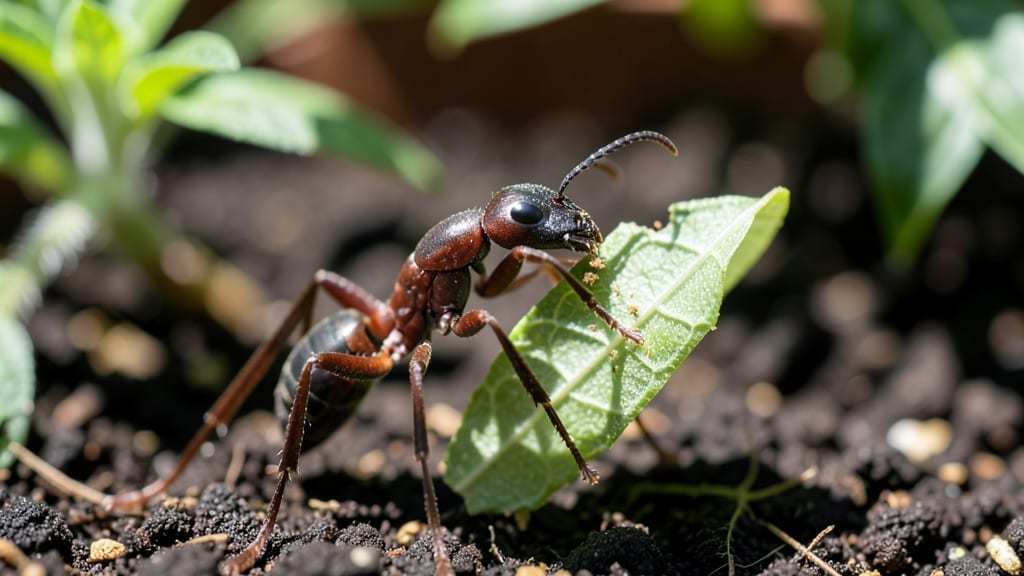
Leaf cutter insects are the sneaky garden pests turning your prized plants into Swiss cheese. 🌿 I’ve watched them strip entire basil plants in a single afternoon, and the damage isn’t just cosmetic—it weakens plants enough to invite bigger problems like disease or pests.
The real kicker? These insects don’t just munch—they harvest. Leafcutter ants, for example, carry pieces back to their nests to grow fungus, while beetles chew clean edges that look like someone took a pair of scissors to your leaves. The result?
Stunted growth, yellowing foliage, and plants that just can’t keep up. But here’s the good news: you don’t need harsh chemicals to fight back. With the right mix of pruning, natural predators, and soil health, you can outsmart them before they become a full-blown infestation.
Think of it as a game of chess—every move counts. We’ll cover everything from early warning signs to long-term prevention, so your garden stays lush without the chemical cleanup. Let’s get started!
The Hidden Drivers Behind Fungal Farming
Leaf cutter insects—often called "fungus-growing ants"—are nature’s tiny farmers, but their behavior isn’t random. Their obsession with harvesting leaves and cultivating fungi stems from a mix of evolutionary adaptations, ecological pressures, and even microbial partnerships.
Understanding these causes helps explain why they thrive where they do and how they’ve become such a dominant force in tropical ecosystems.
Leaf cutter ants didn’t invent farming—they perfected it over 50 million years of evolution. Their ancestors, like other ants, originally scavenged decaying plant matter. But as forests became more competitive, these ants developed a symbiotic relationship with fungi. Here’s why it worked:- Nutrient scarcity: Leaves are rich in carbohydrates but lack protein. By fermenting them into fungal gardens, ants unlock a balanced diet for their colonies.
- Energy efficiency: Cultivating fungi requires less energy than hunting prey or foraging for scattered food sources.
- Colony growth: A single queen can produce millions of workers, but only if she has a reliable food source—fungi provide it.
This strategy is so effective that leaf cutter ants now make up 15–25% of all ant biomass in some tropical regions. Without their fungal farms, entire ecosystems would collapse.
Fungal gardens aren’t just food—they’re living shields. Leaf cutter ants face constant threats from parasitic fungi (like Escovopsis) that attack their crops. To stay ahead, they’ve developed a multi-layered defense system:- Antibacterial mouthparts: Worker ants groom their fungal gardens with formic acid and other antimicrobial secretions to prevent contamination.
- Microbial allies: They introduce Actinobacteria (soil bacteria) into their gardens to act as natural fungicides against invaders.
- Genetic resistance: Some ant species have evolved to recognize and remove infected fungal patches before the entire colony starves.
Without these defenses, their fungal farms would fail within days—proving that their leaf-cutting behavior isn’t just about eating, but survival.
Leaf cutter ants don’t just cut leaves randomly—they target specific plants based on environmental cues. Key factors include:| Trigger | Why It Matters |
|---|---|
| Leaf moisture content | Ants prefer young, tender leaves with high water and sugar levels—ideal for fungal growth. |
| Plant secondary compounds | Avoid leaves with high tannins or toxins (like citrus or oak), which can harm their fungi. |
| Climate and humidity | Tropical regions with consistent warmth and moisture (70–90% humidity) create perfect conditions for fungal cultivation. |
| Competition with herbivores | If other insects (like caterpillars) deplete leaf supplies, ants adapt by cutting more aggressively. |
💡 Pro Tip: In drier climates, leaf cutter activity spikes after rain because the soil becomes easier to navigate, and leaves regain moisture.
Not all ants cut leaves—only worker castes (typically minor and media workers) are tasked with foraging. Here’s how their society fuels the behavior:- Specialized roles: Larger workers (majors) defend the nest, while smaller ones harvest and tend the fungus.
- Chemical communication: Pheromones guide workers to the best leaf sources and coordinate transport back to the nest.
- Queen dependency: A single queen lays 1,000+ eggs per day, creating a workforce that can sustain the fungal farm’s demands.
Without this highly organized labor system, leaf cutter colonies would collapse—proving that their farming behavior is as much about social structure as it is about biology.
Natural Ways to Control Garden Invaders
Dealing with leaf-cutting ants—or any garden pest—can feel overwhelming, but there are effective, chemical-free solutions to reclaim your plants without harming the environment. Below, we break down the most common causes of infestations and match them with practical fixes, from quick remedies to long-term prevention.
Let’s get your garden thriving again! 🌿🚫🐜
#### 1. 🍳 Block Their Entry Points Leaf-cutting ants (often mistaken for termites) invade through tiny cracks, mulch piles, or weak tree bark. Seal their access with these steps: - 🔧 Inspect and repair: Check for gaps in window screens, door thresholds, or foundation cracks. Use caulk or fine mesh to close openings wider than 1mm. - 🌳 Trim low-hanging branches: Ants use these as highways to your plants. Prune limbs touching the ground or walls. - 🪴 Elevate mulch: Pile mulch at least 6 inches away from tree trunks or house foundations—ants tunnel beneath it.Pro Tip: 💡 Place a thin layer of diatomaceous earth (DE) around entry points. It’s non-toxic but deadly to ants by dehydrating them—just avoid breathing it in!
#### 2. 👨🍳 Disrupt Their Food and Nesting Sites These ants farm fungus, so their colonies thrive where they have a steady supply of leaves and moisture. Starve them out with these tactics: - 🍃 Remove infested leaves: Collect fallen or chewed leaves daily and dispose of them in a sealed trash bin away from your yard. - 💦 Reduce moisture: Ants love damp soil. Improve drainage around plants and avoid overwatering at night. - 🌿 Plant ant-repellent herbs: Basil, mint, and citrus near vulnerable plants can deter them with their strong scents.Warning: ⚠️ Avoid using boric acid or poison baits—they can harm pets, kids, and beneficial insects like bees.
#### 3. 🥘 Trap and Eradicate Colonies If you’ve spotted trails or mounds, it’s time for direct action. Here’s how to locate and eliminate their nests: - 🕵️♂️ Follow the trail: Ants march in straight lines to food. Trace their path backward to find the nest (often near moisture sources like sprinkler heads). - 🔪 Use a soapy water spray: Mix 1 tbsp dish soap + 1 quart water in a spray bottle. Drench the mound and entrance—this suffocates them instantly. - 🌡️ Solarize the nest: For large mounds, cover with clear plastic for 3–5 days in sunny weather. The heat will cook the colony (best for dry climates).Pro Tip: ✨ For stubborn nests, try orange oil or neem oil sprays. These disrupt their exoskeletons and reproductive cycles without chemicals.
#### 4. 🛡️ Prevent Future Infestations Once you’ve evicted them, keep them out with these proactive strategies: - 🌱 Choose resilient plants: Opt for rosemary, lavender, or eucalyptus, which ants dislike. Avoid tender plants like hibiscus or citrus (their favorites!). - 🕯️ Use natural repellents: Place coffee grounds, cinnamon, or crushed bay leaves near high-risk areas. Reapply after rain. - 🐝 Encourage predators: Ladybugs, birds, and certain wasps prey on ants. Install a birdhouse or native plant garden to attract them.Long-Term Fix: 🎯 If your yard is prone to ants, consider professional organic pest control for a deep cleanse of soil and plants.
With patience and these eco-friendly methods, you can outsmart leaf-cutting ants without resorting to harsh chemicals. Your garden—and the planet—will thank you! 🌍💚
Frequently asked questions
Are leaf cutter insects only ants?
No, while leafcutter ants are the most famous, leaf cutter beetles (like the Megacerus species) also chew leaves. The key difference? Ants cut leaves to farm fungus, while beetles eat them directly. Both can devastate gardens, but their control methods differ slightly.
How do I tell if my plants are being attacked by leaf cutter insects?
Look for clean, precise cuts on leaves (like scissors) and tiny trails of insects marching in straight lines. For ants, you’ll also see small piles of leaf debris near their nests. Beetles leave behind jagged edges and often hide under leaves during the day.
Will vinegar or lemon juice repel leaf cutter insects?
Yes, but it’s temporary! Spraying undiluted white vinegar or lemon juice on leaves disrupts their scent trails. For longer protection, mix with water (1:1 ratio) and reapply every 3-4 days. The acidity confuses their pheromone signals, making it harder for them to find your plants.
Can leaf cutter insects harm my house?
Indirectly, yes. While they don’t eat wood, their nests can form in wall voids or under foundations if moisture is present. The real risk? They’ll chew through electrical wires or plumbing while tunneling, creating fire hazards. Seal cracks and reduce yard moisture to deter them.
Are there any plants that attract leaf cutter insects?
Leaf cutter insects love tender, young leaves from plants like hibiscus, citrus, and basil. To protect your garden, place rosemary, lavender, or eucalyptus nearby—these strong-scented plants naturally repel them. Avoid overwatering these "trap plants" to reduce attractiveness.