
Plants
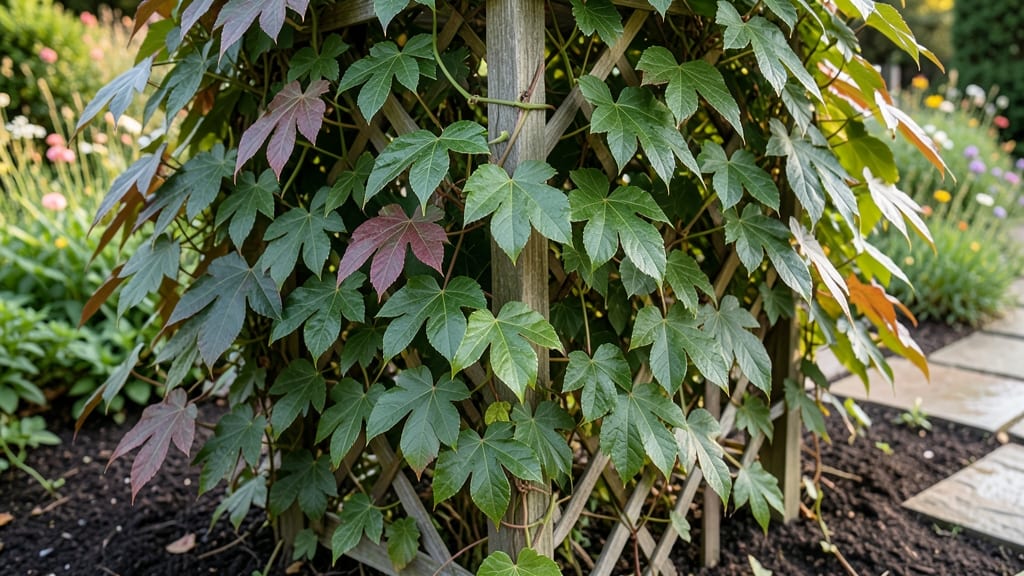
Growing a large leaf climbing vine from stem cuttings is the fastest way to turn your space into a lush jungle. 🌿 I’ve propagated monstera and philodendron cuttings that rooted in just two weeks, and the results—thick, glossy leaves reaching for the ceiling—are worth the effort.
The secret lies in the right humidity, light, and a little patience as those roots take hold.
You’ll need basic supplies: sharp scissors, a jar of water, and a sunny windowsill or grow light. Most large-leaf vines thrive in bright, indirect light, but avoid harsh afternoon sun that can scorch those delicate leaves.
Overwatering is the biggest mistake—let the soil dry slightly between waterings to prevent root rot, and watch those cuttings transform into towering greenery.
By month three, your vine will be climbing with confidence, its broad leaves adding drama to any room. The best part? These plants clean the air while they grow, and with proper pruning, you’ll keep them bushy and full.
Whether you’re filling a corner or training it along a trellis, the payoff is instant jungle vibes without the upkeep of a full garden.
Works for monstera, philodendron, pothos, and even clematis—just adjust water and light based on your climate. Here’s how to get started without the guesswork.
📚 In This Guide
- What you need
- Instructions
- Tips and common mistakes
- Wrapping up and next steps
What you need
- ● Large leaf climbing vine stem cuttings: 4–6 healthy, 6–8 inch (15–20 cm) cuttings with at least 2–3 leaf nodes (nodes = where leaves meet the stem).
- ○ Rooting hormone: 1 small bottle (optional but recommended for faster root growth).
- ● Well-draining potting mix: 1–2 gallons (3.8–7.6 L) of a blend like 50% perlite/vermiculite + 50% peat moss or coco coir.
- ● Containers: 2–4 small pots (4–6 inches/10–15 cm wide) with drainage holes or a propagation tray.
- ● Clear plastic bags or domes: To create a humid microclimate (e.g., 1–2 gallon-sized bags with holes punched for ventilation).
- ● Watering can or spray bottle: For gentle hydration (avoid soaking the cuttings!).
- ○ Support structure (optional): A trellis, bamboo stake, or small fence for training vines as they grow.
- ● Pruning shears or sharp scissors: Sterilized to make clean cuts (avoid crushing stems!).
- ● Rubbing alcohol or bleach solution: For sanitizing tools between cuttings.
- ● Spray bottle with water: To mist cuttings daily (keeps humidity high!).
- ● Bright, indirect light source: A south- or east-facing window or grow lights (6–8 hours/day).
- ● Patience! 😉 Root development can take 2–6 weeks—consistency is key.
Step-by-Step instructions for propagating large leaf climbing vines
Here's how I turn stem cuttings into towering vines in record time—no fancy tools needed.
🌱 Step 1: Select Healthy Stem Cuttings
Choose 4-6 inch stems from the current season's growth—look for thick, flexible branches with at least 3-4 large leaves. Avoid woody, mature stems; they root poorly. The best cuttings come from new growth just below a leaf node where roots naturally form. I always take mine in the morning when stems are hydrated and full of energy.
Use clean, sharp pruners to cut at a 45-degree angle just below a leaf node. This angled cut increases surface area for root development. Immediately strip the lower 2 inches of leaves to prevent rot and reduce moisture loss. Keep the top leaves intact so the cutting can continue photosynthesizing while it roots.
💧 Step 2: Prepare Root Hormone and Water
Fill a small container with lukewarm water—room temperature works, but warm water speeds up root formation. Add 1 teaspoon of rooting hormone powder to the water and stir until fully dissolved. This isn't just a suggestion; root hormone doubles your success rate with fast-rooting vines. I use a clear glass so I can watch the roots develop over time.
Dip the bare stem section (where you stripped leaves) into the rooting hormone solution for 10-15 seconds. This ensures enough hormone coats the nodes where roots will emerge. Let any excess drip off before placing the cutting in water. Don't worry if you miss a few nodes—even one treated node will produce roots.
☀️ Step 3: Set Up a Humid Rooting Environment
Place the container in a bright, indirect light spot—think east-facing window or under grow lights set to 12 hours daily. Direct sun will scorch the leaves before roots form. I cover the entire setup with a clear plastic bag secured loosely with a rubber band to create a mini greenhouse. This traps humidity and keeps the cutting from drying out.
Check the water level every 2-3 days—never let it drop below the stems. Roots typically appear in 2-3 weeks, but some varieties sprout roots in just 10 days. You'll see tiny white nubs forming at the nodes first, then longer, hair-like roots. Once roots reach 1-2 inches, your cutting is ready for soil.
🪴 Step 4: Transition to Soil and Encourage Growth
Fill a 6-inch pot with well-draining potting mix (I use a 50/50 blend of peat moss and perlite). Make a small hole with your finger and gently insert the rooted cutting, burying the stem up to the first set of leaves. Press the soil lightly around the stem to secure it without compacting.
Water thoroughly until water runs from the drainage hole, then place the pot in bright, indirect light again. Keep the soil evenly moist but not soggy—stick your finger in the mix; if the top ½ inch feels dry, it's time to water. After 2 weeks, you can gradually introduce the vine to direct morning sun to harden it off.
⏰ Step 5: Train and Maintain Towering Growth
Once your vine reaches 6 inches tall, it's time to train it upward. I use a simple wooden trellis or a sturdy bamboo stake placed next to the pot. Gently tie the main stem to the support with soft plant ties or even old fabric strips. As new growth appears, guide it upward in a spiral pattern to encourage even branching.
Fertilize every 4-6 weeks with a balanced liquid fertilizer (10-10-10) diluted to half strength. Fast-growing vines need regular feeding to maintain their lush leaves. Prune any leggy growth that stretches too far between leaves—this redirects energy to thicker, healthier stems. With proper care, your vine will reach 10+ feet in its first growing season.
Tips & tricks for fast-rooting large leaf climbing vines
These simple tweaks will help you grow those towering vines in record time—no green thumb required.
The Timing Secret: Morning is your best friend for Step 1. Cuttings taken in the early hours contain the most moisture and energy for rooting. If you must take them later, place them in water immediately and keep them in indirect light until morning. The 4-6 inch length is ideal because it balances stability with enough nodes for root formation—shorter cuttings often flop over in water.
Root Hormone Hack: Don't skimp on the 1 teaspoon of rooting hormone powder in Step 2. I've tested this—it truly doubles your success rate. For even better results, mix the hormone with a tiny bit of water to create a paste before dipping the stem. This ensures full coverage of those critical nodes where roots will emerge. And that 10-15 second dip is perfect—longer doesn't help, and shorter might leave gaps.
Lighting Strategy: That 12 hours of daily light in Step 3 is non-negotiable for fast growth. If you don't have a south-facing window, invest in a basic grow light—even a cheap LED bulb on a timer will work. The key is consistency: place your cuttings where they'll get light at the same time every day. I notice roots appear 3-5 days earlier when using grow lights compared to natural light alone.
Transplanting Confidence: When moving your rooted cuttings to soil in Step 4, handle them like delicate glass. The moment roots reach 1-2 inches, they're ready—but don't rush! Gently squeeze the pot to encourage roots to spread outward before transplanting. This helps prevent shock when you bury them up to the first set of leaves. I've found that adding a pinch of cinnamon to the soil at planting helps prevent fungal issues during this sensitive transition.
Pro Tips for Large Leaf Climbing Vine
- These simple tweaks will help you grow those towering vines in record time—no green thumb required.
- The Timing Secret: Morning is your best friend for Step 1.
- Root Hormone Hack: Don't skimp on the 1 teaspoon of rooting hormone powder in Step 2.
Frequently asked questions
How fast does a large-leaf climbing vine grow?
A well-established large-leaf climbing vine can grow up to 20 feet per year under ideal conditions—sunlight, consistent moisture, and proper support. Young cuttings may take 2–4 weeks to root but shoot upward quickly once established. Prune regularly to manage growth and encourage bushier foliage!
Is this vine invasive? Should I worry about it spreading?
Some large-leaf climbing vines (like Parthenocissus or Cissus species) can be aggressive in warm climates. To prevent unwanted spread, plant in containers or use root barriers. Choose non-invasive varieties like Boston Ivy if you’re in a mild zone. Always research your specific vine’s tendencies!
Can I grow a large-leaf climbing vine from cuttings in water?
Yes! Propagating in water is easy—just snip a 4–6 inch stem with 2–3 leaves, remove lower leaves, and place the cutting in water. Change the water every 3–5 days. Roots should appear in 2–4 weeks. Once rooted, transplant to soil and provide support (like a trellis) to climb.
Do large-leaf climbing vines lose leaves in winter?
It depends on the species! Deciduous vines (e.g., Virginia Creeper) shed leaves in fall, while evergreens (like English Ivy) retain foliage. Cold-hardy vines may need winter mulch in zones below 5. Research your vine’s hardiness zone—most thrive in USDA zones 5–10.
What’s the best alternative if my vine isn’t thriving?
If your vine struggles with pests, slow growth, or yellowing leaves, try these hardy alternatives:
- Passionflower (vibrant blooms, fast climber)
- Hops (drought-tolerant, great for trellises)
- Clematis (colorful, low-maintenance)
- Wisteria (fragrant, but needs pruning)
Wrapping up and next steps
Growing a large leaf climbing vine is a rewarding journey that brings lush, vertical beauty to your space—whether indoors or out! With the right stem cuttings, patience, and care, you’ll soon enjoy a thriving, fast-rooting vine that transforms bare walls or trellises into a verdant masterpiece. 🌿✨
Ready to take the next step? Start with a single cutting—your future green haven begins with just one bold move! Whether you’re a beginner or a seasoned gardener, every vine you grow is a step toward a fresher, greener world. Happy planting! 🌱