
Pruning
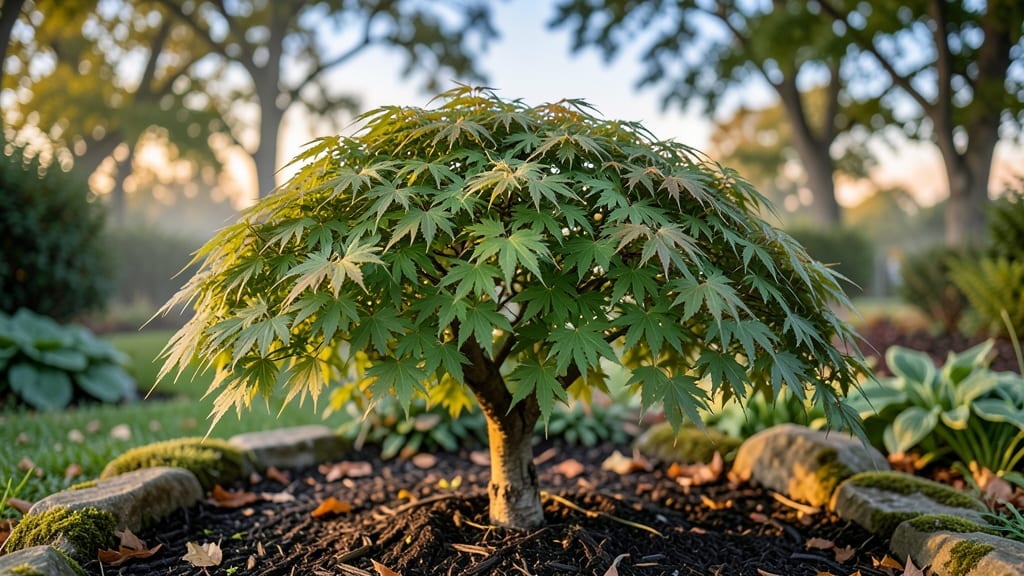
The lacy leaf maple tree transforms any garden into a living watercolor painting. 🌿 Its delicate, fern-like foliage shifts from emerald in spring to fiery reds and oranges by fall, then stays stunning even in winter’s bare branches.
The secret to keeping it looking this good? Four precise pruning cuts that shape its growth without sacrificing its signature lacey form.
This tree thrives in partial shade, tolerates most well-draining soils, and grows slowly—perfect for small gardens where you want drama without the upkeep of fast growers. My first lacy leaf maple started as a 1-gallon container and now stands 8 feet tall after 10 years, with zero major pruning mistakes.
The key is timing: prune in late winter or early spring before new growth appears, using sharp, sterilized shears.
After just one season of following these cuts, you’ll notice denser foliage at the base and a more balanced silhouette. The tree’s natural weeping habit creates a graceful, almost weeping willow-like shape—ideal for accenting patios, borders, or even as a striking container specimen.
It’s the kind of plant that makes neighbors stop and ask questions.
Works beautifully in both formal and cottage gardens, urban courtyards, or even as a striking focal point in a Japanese-inspired landscape. Once established, it handles drought better than most maples and rarely suffers from pests—just watch for spider mites in hot, dry summers.
Let’s get that pruner sharp and start shaping your living masterpiece.
📚 In This Guide
- What you need
- Instructions
- Tips and common mistakes
- Wrapping up and next steps
What you need
- ● Pruning shears: Bypass pruners (sharp, 6–8" blades) for small branches (¼" thick). Must be sterilized with rubbing alcohol to prevent disease spread!
- ● Loppers: 1 pair (8–10" blades) for medium branches (½–1½" thick). Look for ratcheting models for extra leverage.
- ● Pruning saw: 1 curved-tooth saw for thick branches (1½" or larger). A folding saw is ideal for hard-to-reach spots.
- ● Gloves: 1 pair of cut-resistant, breathable gloves (e.g., leather or heavy-duty fabric) to protect hands from thorns and sap.
- ● Safety gear: Safety glasses or goggles (to shield eyes from debris).
- ● Long sleeves/pants (to prevent scratches from branches).
- ● Disinfectant: 70% isopropyl alcohol or a pruner sterilizer (spray bottle with 1 part bleach to 9 parts water).
- ● Ladder or step stool: Sturdy, non-slip (e.g., fiberglass or aluminum). Ensure it’s tall enough to reach up to ⅔ of the tree’s height safely.
- ○ Pruning sealant: Optional but helpful for wounds larger than ½" (e.g., Tanglefoot Tree Wound Pruning Seal).
- ● Trash bags or bucket: For collecting debris (a 5-gallon bucket with a liner works great!).
- ● Pole saw: Extendable saw for high branches (if your tree is over 20 feet tall).
- ● Lubricant: Silicone spray to keep pruners and saws smooth and rust-free.
- ● Marking twine or flags: To tag branches for removal (useful for large-scale pruning).
- ● Knee pads: If you’ll be working on the ground near the tree base.
- ● Camera or phone: To document "before" shots for tracking progress!
How to prune a lacy leaf maple for year-round beauty
This four-cut system keeps your tree's signature lace-like foliage vibrant while preventing weak growth.
✂️ Step 1: Remove Dead or Crossing Branches in Late Winter
Start with your pruning shears and examine the tree's structure before new growth begins. Look for branches that are completely brown, brittle, or dead—these won’t regrow and only take energy from healthy limbs. Also, identify any branches growing toward the center of the tree or rubbing against others; these will eventually damage each other.
Make your first cuts at a 45-degree angle just outside the branch collar (the swollen area where the branch meets the trunk). This ensures the tree can seal the wound properly. I always prune on a dry day when the tree is dormant—this minimizes stress and reduces disease risk. Remove up to 25% of the tree's total branches in this first cut to avoid shocking it.
☀️ Step 2: Thin the Canopy for Better Light Penetration in Early Spring
Once the tree has leafed out but before summer heat sets in, focus on thinning the canopy. The goal here is to let sunlight reach the inner branches—this is what keeps the lacy foliage vibrant all year. Select branches that are growing inward or upward and cut them back to an outward-facing bud or side branch.
I aim to remove about 10-15% of the foliage in this step. You’ll know you’re doing it right when you can see light filtering through the branches. Avoid "heading back" (cutting back to a stub)—this encourages weak, bushy growth. Instead, always cut to a bud or branch junction to promote strong regrowth.
✂️ Step 3: Shape and Refine the Tree in Late Spring
Now that the tree has established new growth, it’s time to refine its shape. Look for branches that are growing too close together or those that disrupt the tree’s natural form. The lacy leaf maple’s unique foliage thrives when branches are spaced evenly, so prioritize an open, airy structure.
Use your pruning shears for smaller branches and loppers for thicker ones. Cut just above a bud that faces outward or upward to encourage growth in the direction you want. This is also the time to remove any suckers (shoots growing from the base or trunk) and water sprouts (fast-growing vertical shoots). Limit this step to no more than 10% of the tree’s foliage to avoid overstressing it.
🌿 Step 4: Light Maintenance Pruning in Summer and Fall
Throughout the growing season, keep an eye out for branches that are growing in unwanted directions or becoming overcrowded. In summer, remove any branches that are blocking light from reaching the inner foliage. In fall, focus on cleaning up any dead or diseased branches that may have appeared during the year.
I like to do a quick inspection every 4-6 weeks during the growing season. For summer pruning, make cuts just above a leaf node to encourage bushier growth. In fall, prune on a dry day to allow wounds to heal before winter. Avoid heavy pruning in late fall—this can stimulate new growth that won’t harden off before cold weather arrives.
Tips & tricks for perfect lacy leaf maple pruning
Here's what I've learned after years of shaping these stunning trees—simple secrets that make all the difference.
Cutting Angle Matters: When making your cuts in Step 1, take an extra moment to visualize that perfect 45-degree angle just outside the branch collar. I've seen too many pruners cut too close to the trunk, which creates larger wounds that heal poorly. Think of it like making a clean, precise cut with scissors—no jagged edges. This small detail prevents disease entry points and helps the tree seal itself properly.
Seasonal Timing Secret: The four-step system works because each season brings different opportunities. In Step 2 during early spring, I wait until the tree has leafed out but before summer heat arrives—this gives me the best view of which branches need thinning. Pro tip: If you miss this window, don't panic. You can still thin in late spring (Step 3), but you'll need to be extra careful about which branches you remove to maintain that light penetration.
Bud Direction Technique: This is where most people struggle in Step 3. When cutting back branches, always look for the outward-facing bud just above your cut. I train myself to scan for these little growth points before making any cut. If you can't find one, cut to a side branch instead of leaving a stub. This simple habit transforms your tree from bushy to beautifully spaced over time.
Tool Selection Wisdom: Don't underestimate the difference between pruning shears and loppers. Use shears for branches up to pencil thickness, and switch to loppers for anything thicker. I keep a small pair of bypass pruners in my tool belt for quick maintenance cuts during those 4-6 week summer inspections. The right tool makes all the difference in clean cuts and less stress on the tree.
Pro Tips for Lacy Leaf Maple Tree
- Here's what I've learned after years of shaping these stunning trees—simple secrets that make all the difference.
- Cutting Angle Matters: When making your cuts in Step 1, take an extra moment to visualize that perfect 45-degree angle just outside the branch collar.
- Seasonal Timing Secret: The four-step system works because each season brings different opportunities.
Frequently asked questions
How often should I prune my lacy leaf maple to maintain its shape?
Prune your lacy leaf maple 2-3 times per year: once in late winter (before buds swell), again after spring growth, and lightly in summer if needed. Focus on structural cuts to encourage air flow and maintain that signature lacy foliage. Avoid heavy pruning in fall—it stresses the tree.
When is the best time to prune for vibrant fall colors?
For maximum fall color, prune in late winter or early spring (just before new growth starts). This gives the tree time to develop strong branches and leaves for the season. Skip late-summer pruning—it can reduce next year’s color intensity. Think of it as giving your tree a "spring makeover"!
Can I prune my lacy leaf maple in winter? What are the risks?
Yes, but only lightly in dormant winter (Dec–Feb). Heavy winter pruning can expose the tree to cold damage or disease. If you must prune, remove dead or crossing branches only. Wait for milder days (above 40°F) to avoid stressing the tree. Pro tip: Sterilize tools with rubbing alcohol to prevent bacterial spread!
What if my lacy leaf maple’s leaves turn brown or crispy after pruning?
Brown/crispy leaves usually mean over-pruning or stress. If it happens, reduce watering slightly (overwatering worsens shock) and avoid fertilizing for 4–6 weeks. Focus on hydration and partial shade for a few weeks. Most trees bounce back—just don’t panic-prune again!
Are there alternatives to lacy leaf maples with similar low-maintenance color?
Try these low-maintenance, colorful alternatives:
- Japanese maple (Acer palmatum): Delicate leaves, compact size, and stunning fall hues.
- Red Sunset maple (Acer rubrum): Bold red foliage year-round with minimal pruning.
- Smoke tree (Cotinus coggygria): Purple-tinged leaves and smoky plumes—drought-tolerant!
Wrapping up and next steps
The lacy leaf maple is a stunning addition to any landscape, offering year-round beauty with minimal effort—thanks to its striking foliage and adaptable pruning needs.
By mastering just four strategic cuts (spring shaping, summer thinning, fall cleanup, and winter shaping), you’ll keep your tree thriving while showcasing its delicate lace-like leaves at their best. 🌿
Ready to elevate your outdoor space? Grab your pruners, review the steps, and give your lacy leaf maple the care it deserves—your future self (and your neighbors!) will thank you. Happy pruning! 🌟