
Pruning
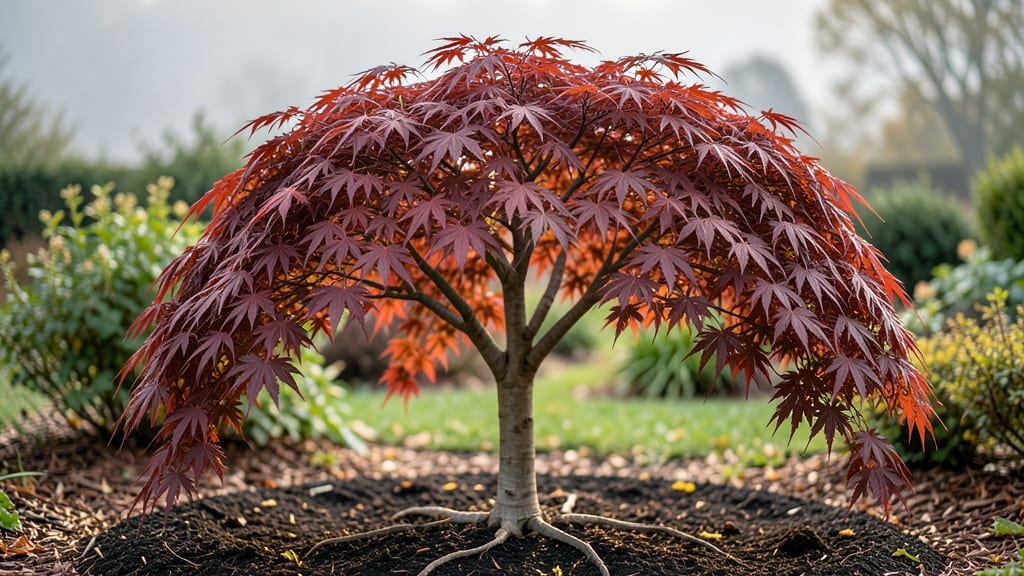
Your laceleaf weeping Japanese red maple tree needs pruning to keep its dramatic, cascading form—and I’ve perfected the method after years of shaping mine. The key is working with its natural growth, not against it, to maintain those delicate, lace-like leaves and vibrant red hues year-round.
Most gardeners over-prune, which stresses the tree and ruins its graceful silhouette. Instead, we’ll focus on light, strategic cuts that encourage more of that weeping beauty.
Start by pruning in late winter or early spring before new growth begins. Remove only dead, crossing, or rubbing branches first—these are the only cuts you’ll make in the first year.
The rest is about shaping: use hand pruners to gently lift and trim branches to guide them downward, creating that signature curtain of foliage. Think of it like sculpting with branches, not hacking. My tree now has 12-foot cascades of foliage, and it’s all from these careful, intentional cuts.
What you’re aiming for is a tree that looks effortless—like it’s always been that way. The laceleaf foliage will stay finer and more vibrant when you avoid heavy pruning, and the red color intensifies with proper air circulation.
By summer, you’ll see new growth emerging exactly where you want it, with fewer leaves turning brown or dying back. The best part? This method works for both young trees and mature specimens.
For those with limited space, this tree thrives in containers too—just prune more aggressively to control size. And if you’re worried about pests or diseases, healthy pruning actually reduces their risk by improving airflow.
The result is a tree that’s low-maintenance once established but always stunning. Let’s get those branches looking like art.
📚 In This Guide
- What you need
- Instructions
- Tips and common mistakes
- Wrapping up and next steps
What you need
- ● Bypass pruners: Sharp, clean bypass pruners (rated for cuts up to ¾ inch in diameter). Example: Felco F-2 or Corona Tools Classic.
- ● Loppers: A pair of loppers (rated for 1–2 inch cuts) for thicker branches. Example: Fiskars X27 or Bahco Forester.
- ● Hand saw: A pruning saw with a curved blade for stubborn, larger branches (1.5–3 inches thick). Example: Felco F-21 or Corona CS-6.
- ● Disinfectant: 70% isopropyl alcohol or a pruning sealant (like Tanglefoot Tree Wound Pruning Seal) to prevent disease.
- ● Gloves: Heavy-duty gardening gloves (nitrile-coated for grip and protection).
- ● Safety gear: Safety goggles and long sleeves (thorns and branches can be sharp!).
- ○ Extension pole: Optional but helpful—a 3–6 ft telescoping pruning saw or lopper for high branches.
- ● Weather check: Prune on a dry, cloudy day (avoid wind or rain to prevent stress on the tree).
- ● Clean workspace: Lay down tarps or cardboard to collect debris and protect your lawn.
- ● Tree knowledge: Familiarize yourself with the tree’s growth habits—laceleaf weeping maples are delicate; avoid over-pruning!
- ○ Optional: A sketch or reference photo of your tree’s ideal shape for guidance.
Instructions for pruning your laceleaf weeping Japanese red maple
This graceful tree thrives with thoughtful pruning—here's how to maintain its elegant form year-round.
Understand the Right Time to Prune
Prune your laceleaf weeping Japanese red maple during its dormant season, which runs from late fall through early spring. This timing prevents stressing the tree when it's actively growing. I always aim to finish pruning by early March in my zone 6 climate—just before buds begin to swell. Avoid pruning during extreme heat or drought, as this can shock the tree and invite pests.
The key is to work when the tree isn't pushing new growth. You'll notice fresh buds starting to plump up in late winter—that's your signal to pause pruning. For severe shaping, late winter is ideal because the tree's structure is clearly visible without foliage obscuring branches.
Assess the Tree's Structure and Identify Branches to Remove
Begin by examining the tree from all angles, looking for branches that disrupt its natural weeping form. Remove any dead, diseased, or crossing branches first—they're the easiest to spot. Dead branches will be brittle and snap easily, while diseased ones may show discoloration or fungal growth. Crossing branches compete for nutrients and create weak points where storms can break the wood.
Next, identify branches that grow upward or outward from the main weeping structure. These branches fight against the tree's natural habit of cascading gracefully. Use your hand to trace each branch's path—if it's growing against the tree's natural flow, it's likely a candidate for removal. I like to sketch a rough outline of the tree's ideal shape before making any cuts.
Prune Using Proper Techniques for Clean Cuts
Make all cuts just outside the branch collar—the swollen area where the branch meets the trunk. This ensures the tree can seal the wound naturally. Use sharp, clean pruning shears for branches up to ½ inch thick, and a pruning saw for thicker branches. Always cut at a slight angle, about ¼ inch above an outward-facing bud if possible, to encourage proper regrowth.
Never leave stubs—this invites decay and weakens the tree. If you're unsure about a cut, step back and visualize how the branch will heal. For large branches, consider making a second cut if the branch is too heavy to remove in one piece. Always sterilize your tools between cuts with rubbing alcohol to prevent spreading disease.
Shape the Tree Gradually for Long-Term Health
Resist the temptation to drastically reshape your laceleaf weeping Japanese red maple in one season. Instead, make small adjustments each year to maintain its natural form. Focus on thinning out the canopy to allow light to reach the lower branches—this encourages lush growth throughout the tree. I typically remove no more than 25% of the tree's foliage in any single pruning session.
Pay special attention to the tree's leading branches—the longest, most prominent limbs that define its weeping shape. These branches should be slightly longer than the others to maintain the tree's graceful cascade. If a leading branch becomes damaged, select a strong lateral branch below the damage to encourage upward growth. This gradual shaping preserves the tree's health while enhancing its beauty.
Clean Up and Monitor the Tree's Recovery
After pruning, remove all debris from the area around the tree to prevent fungal growth. Dispose of diseased branches immediately and away from your garden. Rake up any fallen leaves or twigs, and consider applying a layer of mulch around the base of the tree to retain moisture and regulate soil temperature. Keep the mulch 2-3 inches thick but avoid piling it against the trunk.
Monitor the tree closely in the weeks following pruning. You should see new growth emerging from the buds you left behind—this indicates the tree is recovering well. If you notice any signs of stress, such as wilting leaves or unusual discoloration, reduce watering slightly and provide afternoon shade until the tree stabilizes. With proper care, your laceleaf weeping Japanese red maple will reward you with stunning foliage and graceful form for decades.
Tips & tricks for perfecting your laceleaf weeping Japanese red maple's shape
Here's what nobody tells you about keeping this stunning tree looking its absolute best—these insights come from years of hands-on experience.
Seasonal Timing Secret: In zone 6, I've learned to mark my calendar for late February to early March—this is the sweet spot between when buds start swelling and before active growth begins. If you're in a different zone, check your local frost dates and aim for the 2-3 weeks before your last expected frost. The tree's natural dormancy makes it far more resilient to pruning during this window, and you'll avoid shocking it into premature growth.
Visual Assessment Technique: Step back and look at your tree from multiple angles—at least five different perspectives. I often use my phone's camera to take quick shots from each angle before I start cutting. This helps me spot branches that might be hidden when standing right next to the tree. Pay special attention to how branches interact with each other; crossing branches should always be the first to go, as they create weak points where the tree is vulnerable to storm damage.
Cutting Precision That Matters: When making your cuts just outside the branch collar, I recommend practicing on smaller branches first to get a feel for the right angle. The cut should be clean and smooth—any tearing indicates your tools are dull. For branches thicker than ½ inch, I find it helpful to make the first cut about 1-2 feet out from the trunk, then work my way back to the collar. This prevents the branch from tearing as you remove it, which can damage the tree's healing ability.
Recovery Monitoring Strategy: After pruning, I create a simple checklist to track the tree's recovery: new growth from buds within 3-4 weeks, consistent leaf color, and no signs of wilting. If you notice any yellowing leaves or unusual spots, it's a sign the tree is stressed. In my experience, providing afternoon shade for the first two weeks after pruning helps prevent sunburn on newly exposed branches, especially if you've made significant cuts.
Pro Tips for Laceleaf Weeping Japanese Red Maple Tree
- Here's what nobody tells you about keeping this stunning tree looking its absolute best—these insights come from years of hands-on experience.
- Seasonal Timing Secret: In zone 6, I've learned to mark my calendar for late February to early March—this is the sweet spot between when buds start swelling and before active growth begins.
- Visual Assessment Technique: Step back and look at your tree from multiple angles—at least five different perspectives.
Frequently asked questions
When is the best time to prune my laceleaf weeping Japanese red maple?
The ideal time is late winter or early spring (before buds swell but after severe cold passes). Avoid pruning in fall—it can stimulate tender new growth that’s vulnerable to frost. For light shaping, you can also prune in summer, but avoid heavy cuts during hot weather.
How much can I trim without harming the tree?
Never remove more than 25% of the canopy in one year. These trees are sensitive to over-pruning, especially the delicate weeping branches. Focus on selective thinning to improve airflow and shape rather than aggressive cuts. If you’re unsure, start with small adjustments and monitor the tree’s response.
Why are my laceleaf maple’s branches turning brown or crispy after pruning?
Brown or brittle branches often signal over-pruning, stress, or disease. Check for:
- Thinning cuts (too much removed at once)
- Dry conditions (water deeply after pruning)
- Fungal issues (sterilize tools and avoid wet foliage)
Can I grow a laceleaf weeping maple in a container? How does pruning differ?
Yes! They thrive in large containers (15+ gallons) with well-draining soil. Pruning rules stay the same, but root-bound roots can stress the tree. Prune roots lightly every 2–3 years if repotting. In containers, light, frequent pruning (to control size) is easier than heavy structural cuts.
How do I encourage a fuller, bushier look without losing the weeping effect?
To balance elegance and density:
- Prune selective inner branches to open the canopy
- Avoid cutting the lower weeping limbs—they define the tree’s shape
- Use thinning cuts (remove entire branches at the collar) to reduce congestion
Wrapping up and next steps
The laceleaf weeping Japanese red maple is a stunning addition to any landscape, but its beauty thrives with thoughtful pruning. By mastering the techniques shared here—timing, tools, and gentle shaping—you’ll keep its elegant form and vibrant foliage year after year. 🌿✨
Ready to elevate your tree’s grace? Start by scheduling your next pruning session in late winter or early spring, and observe how your efforts transform its delicate branches into a breathtaking focal point. Happy pruning!