
Flowers
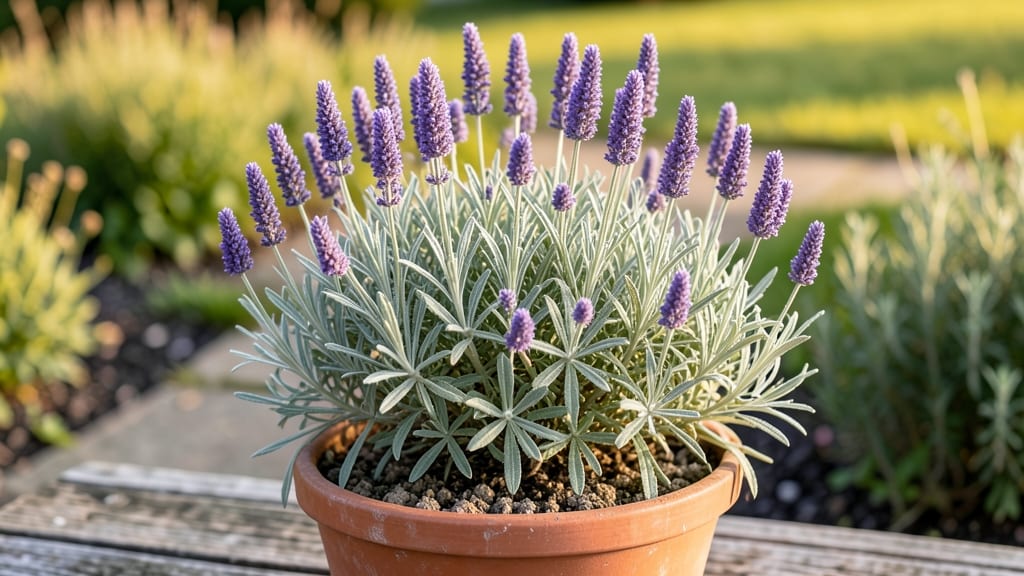
Growing lace leaf lavender (Lavandula dentata) transforms any garden corner into a fragrant, silvery-green oasis—its delicate foliage and intoxicating scent make it a standout in borders or containers. 🌿 Unlike its more common English lavender cousin, this variety thrives in heat and humidity, proving it’s the underrated workhorse of the lavender world.
I’ve grown it for years, and once you try it, you’ll never go back to the standard varieties.
The secret to success? Well-draining soil and full sun—at least 6-8 hours daily—plus a 5-gallon container for every plant. Lace leaf lavender hates soggy roots, so mix in sand or perlite to improve drainage, and water only when the top inch of soil feels dry.
Prune lightly after flowering to encourage bushier growth, and you’ll be rewarded with silvery-green foliage that stays lush all season.
This lavender isn’t just pretty—it’s versatile. Use it as a fragrant border, in containers alongside rosemary or thyme, or even dried for sachets. The scent is milder than English lavender but still calming and floral, perfect for relaxing evenings on the patio.
Plus, it attracts pollinators like bees and butterflies, making it a garden hero.
For best results, plant in spring or early fall when temperatures are mild, and avoid fertilizing—lavender prefers lean soil. If you’re in a humid climate, this variety outshines others, proving that sometimes the lesser-known plants deliver the biggest rewards. Ready to grow yours?
📚 In This Guide
- What you need
- Instructions
- Tips and common mistakes
- Wrapping up and next steps
What you need
- ● Lace Leaf Lavender Plants: 1–3 nursery-grown plants (check for healthy, fragrant foliage and sturdy stems).
- ● Well-Draining Soil: 5–10 gallons of a mix designed for Mediterranean herbs or cacti/succulents. Pro tip: Amend regular potting soil with perlite or coarse sand (30–50%) for drainage.
- ● Containers: 1–2 pots per plant (minimum 12–18 inches deep and wide with drainage holes). Terracotta or fabric pots work best!
- ● Gravel or Pebbles: A handful for the bottom of pots to prevent root rot.
- ○ Slow-Release Fertilizer: Optional but helpful—use a balanced, low-nitrogen formula (5-10-5) for herbs.
- ● Gloves: A pair to protect your hands from prickly stems.
- ● Trowel or Small Shovel: For planting and soil adjustments.
- ● Watering Can or Spray Bottle: Lavender hates soggy roots, so precision is key!
- ● Pruning Shears: Sharp, clean shears for trimming (sterilize with rubbing alcohol).
- ● Sunlight Access: A sunny spot (6+ hours of direct light daily).
- ○ Optional Extras: Mulch (gravel or pebbles) to retain heat and deter weeds.
- ● pH Test Kit: Ideal soil pH for lavender is 6.5–7.5.
- ● Compost Tea: For a gentle nutrient boost (use sparingly).
Step-by-step instructions for cultivating lace leaf lavender in containers
Here's how I grow lush, fragrant lace leaf lavender—no guesswork, just proven techniques for vibrant blooms.
🪴 Step 1: Select the Right Container and Soil Mix
Lace leaf lavender thrives in containers with excellent drainage, so choose pots with multiple holes or a saucer to catch excess water. I use unglazed terra cotta—it breathes and prevents root rot. The pot should be at least 10-12 inches deep and 12 inches wide for each plant, allowing space for roots to spread without crowding.
Fill the bottom third with coarse gravel or lava rock to create a drainage layer. Then, mix high-quality potting soil with 20% perlite or coarse sand—this prevents compaction and mimics its Mediterranean native soil. Avoid garden soil; it retains too much moisture and suffocates roots.
🌱 Step 2: Plant and Position for Maximum Sunlight
Gently remove the lavender from its nursery pot and loosen the roots if they’re circling. Place the plant in the center of the container, ensuring the top of the root ball sits just below the rim. Fill the remaining space with your soil mix, pressing lightly to eliminate air pockets but avoiding compaction.
Lace leaf lavender demands full sun—at least 6-8 hours daily. Position your containers in a south-facing spot or under a grow light if indoors. If you’re in a hot climate, provide afternoon shade to prevent leaf scorch. Watch for pale, elongated stems—this signals insufficient light, and the plant will never bloom well.
💧 Step 3: Water Sparingly and Establish a Routine
The key to lavender’s success is minimal watering. After planting, water deeply until it drains freely from the bottom. Then, let the soil dry completely between waterings—stick your finger 2 inches deep into the soil. If it feels dry, water again. Overwatering is the fastest way to kill lavender; yellowing leaves or mushy stems are red flags to cut back immediately.
Once established, lace leaf lavender tolerates drought conditions. In summer, you might only need to water every 7-10 days, depending on your climate. Mulch lightly with gravel (not organic mulch) to retain heat and deter weeds while keeping roots dry.
✂️ Step 4: Prune for Bushier Growth and Fragrance
Prune lace leaf lavender right after blooming to encourage dense, fragrant foliage. Use clean, sharp shears to trim back one-third of the current year’s growth. Avoid cutting into old wood—this stimulates new growth from the base. Shape the plant lightly to maintain its natural form, but avoid heavy pruning in late summer or fall, as it won’t have time to harden off before winter.
Harvest stems for bouquets or drying when flowers are fully open but before they turn brown. Cut just above a leaf node to encourage branching. If you notice woody stems at the base, it’s time to propagate cuttings or replace the plant—lavender has a lifespan of 5-7 years before it declines.
☀️ Step 5: Overwinter for Longevity
Lace leaf lavender is hardy to USDA Zone 5, but it benefits from winter protection in colder regions. Reduce watering in fall and stop fertilizing after mid-summer. If temperatures drop below 10°F, move containers to a sheltered, unheated garage or wrap them in burlap to insulate roots. In spring, resume watering and fertilizing lightly with a balanced, low-nitrogen fertilizer to promote blooms.
Watch for brown, crispy leaves in winter—they’re normal and will regrow in spring. If you notice mold or rot, it’s a sign of excessive moisture over winter. Adjust your watering routine immediately to prevent repeat issues next season.
Tips & tricks for perfect lace leaf lavender growth
A few thoughtful adjustments can make all the difference when nurturing your lace leaf lavender to its full fragrant potential.
Container Material Matters: While terra cotta is ideal, avoid glazed ceramic or plastic containers—they trap moisture and promote root rot. If you must use plastic, drill additional drainage holes along the sides. I've found that containers with a slightly wider base than top help prevent tipping while maintaining proper drainage. The 10-12 inch depth specification is crucial—shallower pots restrict root growth, while deeper ones can cause waterlogging.
Sunlight Strategy: The 6-8 hours of full sun requirement is non-negotiable for vibrant blooms, but here's the trick: rotate your containers every 2-3 weeks to ensure even sunlight exposure. This prevents one-sided growth and keeps your plant compact. In urban settings with limited south-facing space, consider using reflective surfaces like white walls or mirrors to maximize light exposure. For indoor grow lights, position them 6-12 inches above the plant and use a timer for consistent 12-14 hour light cycles.
Watering Wisdom: The "dry completely between waterings" rule is essential, but testing soil moisture properly is an art. Press your finger 2 inches deep—this is the critical zone where roots actively absorb water. In summer heat, you might need to water every 5-7 days rather than the suggested 7-10 day range, especially in containers that dry out faster. Morning watering is best as it allows foliage to dry completely before evening, preventing fungal issues. I've learned this the hard way after losing plants to overwatering during humid summers.
Pruning Precision: When trimming back one-third of the current year's growth, focus on cutting just above a leaf node where new growth will emerge. This encourages bushier, more fragrant foliage. For harvesting, use clean shears and cut stems at a 45-degree angle to increase surface area for water absorption. The woody stems warning is critical—once you see significant woodiness at the base, propagation or replacement is often more successful than trying to revive the plant through heavy pruning.
Pro Tips for Lace Leaf Lavender
- A few thoughtful adjustments can make all the difference when nurturing your lace leaf lavender to its full fragrant potential.
- Container Material Matters: While terra cotta is ideal, avoid glazed ceramic or plastic containers—they trap moisture and promote root rot.
- Sunlight Strategy: The 6-8 hours of full sun requirement is non-negotiable for vibrant blooms, but here's the trick: rotate your containers every 2-3 weeks to ensure even sunlight exposure.
Frequently asked questions
How do I know if my lace leaf lavender is healthy?
Healthy lace leaf lavender has silvery-green, aromatic foliage and upright stems with purple buds. Look for no yellowing leaves (a sign of overwatering) or brown, crispy tips (often from underwatering or salt buildup). If your plant looks lanky or leggy, it may need more sunlight or a prune!
When is the best time to prune lace leaf lavender?
Prune your lavender right after flowering (late spring to early summer) to encourage bushier growth. Avoid heavy pruning in fall or winter, as it can stress the plant. Never cut into old wood—stick to the top third of stems. For container-grown plants, a light trim in early spring also helps maintain shape.
Why is my lace leaf lavender turning brown?
Brown tips or leaves usually mean overwatering, underwatering, or salt buildup from tap water. Lace leaf lavender thrives on neglect! Let the soil dry completely between waterings, and use rainwater or distilled water if your tap water is hard. If the browning spreads, check for root rot—repot in fresh, well-draining soil if needed.
Can I grow lace leaf lavender in a pot year-round?
Yes! Lace leaf lavender is perfect for containers and can stay outside year-round in USDA Zones 7–10. In colder climates (Zones 5–6), move pots to a bright, sheltered spot or bring them indoors near a sunny window. Pro tip: Use a terracotta pot to prevent root rot and ensure it has drainage holes.
What’s the difference between lace leaf and English lavender?
Lace leaf lavender (Lavandula stoechas) has frilly, rabbit-ear-like bracts and darker purple flowers, while English lavender (Lavandula angustifolia) has simpler buds and a softer fragrance. Lace leaf is slightly hardier in heat but less cold-tolerant than English lavender. Choose based on your climate and aesthetic!
Wrapping up and next steps
Growing lace leaf lavender is a rewarding journey that brings beauty, fragrance, and low-maintenance joy to your garden or containers! With the right soil, sunlight, and care, this fragrant perennial will thrive and reward you with stunning blooms year after year.
Whether you're a beginner or a seasoned gardener, lace leaf lavender is the perfect addition to elevate your outdoor space.
Now that you’re armed with all the tips and tricks, roll up your sleeves and get planting! Start with a small pot or patch, experiment with companion plants, and enjoy the soothing aroma and delicate blooms. Happy gardening! 🌸✨